
Azteca godmani
- Nom sci.
- Azteca godmani
- Tribu
- Leptomyrmecini
- Sous-famille
- Dolichoderinae
- Auteur
- Forel, 1899
- Distribution
- Trouvé dans 0 pays
Introduction
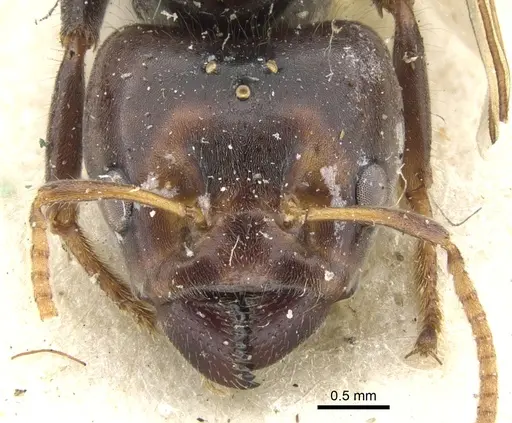
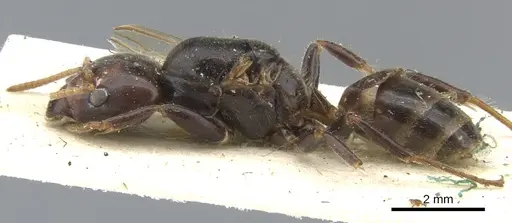
Azteca godmani is a large Neotropical ant species native to Panama. Workers reach approximately 9.5mm in length, making them a substantial species within the Azteca genus . As a member of the Dolichoderinae subfamily, they belong to a group of ants known for their diverse nesting habits, often associated with arboreal environments and vegetation. The species was originally described by Forel in 1899 from specimens collected in Panama's Bugaba region . Unlike many ground-nesting ants, Azteca species are typically arboreal or semi-arboreal, often nesting in tree hollows, under bark, or in carton structures they construct. This makes them an interesting species for antkeepers interested in observing unique nesting behaviors. However, Azteca godmani remains poorly documented in scientific literature, meaning much of our care guidance comes from what we know about related Azteca species rather than direct observations of this specific ant.
Quick Summary
- Difficulty: Medium
- Origin & Habitat: Panama, specifically the Bugaba region in Chiriquí province. This is a lowland tropical rainforest environment with high humidity and warm temperatures year-round [1][2].
- Colony Type: Colony structure is unconfirmed. Based on typical Azteca patterns, they likely form colonies with multiple queens (polygyne), but this has not been documented for this specific species.
- Size & Growth:
- Queen: Undocumented, estimated 12-15mm based on genus patterns
- Worker: 9.5mm [1]
- Colony: Unknown, likely several hundred to a few thousand workers based on related species
- Growth: Moderate, estimated based on tropical Dolichoderinae patterns
- Development: Estimated 6-8 weeks at tropical temperatures (25-28°C) based on genus-level data for related species (Development timeline is not directly documented for this species. Tropical ant species typically develop faster than temperate ones.)
- Antkeeping:
- Temperature: Keep at 24-28°C. As a tropical species from Panama, they need consistently warm conditions. A heating cable on one side of the nest can help maintain this range
- Humidity: High humidity required, aim for 70-85%. These ants come from a tropical rainforest environment with consistent moisture. Keep the nest substrate moist but not waterlogged, and provide a water tube for drinking
- Diapause: No, as a tropical species from Panama, they do not require hibernation. Keep them at stable tropical temperatures year-round
- Nesting: Arboreal or semi-arboreal nesting is likely. In captivity, they do well in naturalistic setups with vertical spaces, cork bark, or wood sections. Y-tong nests or acrylic nests with roughened surfaces can work, but provide plenty of climbing structures. They may build carton-like material if given the opportunity
- Behavior: Azteca ants are generally less aggressive than some other genera, but they will defend their nests if threatened. Workers are active foragers and may tend aphids or collect honeydew from sap-sucking insects on plants. Their large worker size (9.5mm) makes them relatively easy to observe. Escape prevention is important, while not tiny, they are agile climbers and will escape if given the opportunity. They are primarily arboreal, so they will use vertical space extensively.
- Common Issues: tropical temperature requirements mean colonies can fail if kept too cool, maintain warmth consistently, high humidity needs can lead to mold problems if ventilation is poor, balance humidity with airflow, arboreal nature means they need vertical space and climbing structures, horizontal-only nests are inadequate, poorly documented species means there may be unexpected care requirements, observe your colony closely, wild-caught colonies may carry parasites or diseases that can affect captive colonies
Natural History and Distribution
Azteca godmani is endemic to Panama, specifically known from the Bugaba region in Chiriquí province. This area sits at moderate elevation in Panama's western highlands, characterized by tropical rainforest conditions with high year-round humidity and temperatures. The species was described in 1899 by Alfred Forel, with the type specimen deposited at the Natural History Museum in London (BMNH) [1][2].
As a member of the Dolichoderinae subfamily, Azteca ants are widespread throughout the Neotropics. Many species in this genus are known for their associations with plants, some live in hollow stems or specialized structures called domatia that plants produce for them, while others build distinctive carton nests from plant fibers and wax. While specific associations are not documented for A. godmani, this ecological flexibility is characteristic of the genus.
Housing and Nest Setup
Azteca godmani requires an arboreal or semi-arboreal setup rather than a typical ground-nesting formicarium. In the wild, these ants would nest in tree hollows, under bark, or in carton structures attached to vegetation. For captive care, provide a naturalistic setup that respects this arboreal lifestyle.
A Y-tong (acrylic) nest can work if you include plenty of climbing structures and roughened surfaces for grip. Alternatively, a naturalistic terrarium-style setup with cork bark, branches, and live or artificial plants allows them to exhibit more natural behaviors. Include a water tube for drinking and maintain high humidity. The enclosure should have good ventilation to prevent mold while retaining moisture. Provide multiple chambers at different heights to allow the colony to regulate their position based on temperature and humidity preferences.
Feeding and Nutrition
Like most Dolichoderinae ants, Azteca godmani is likely omnivorous with a preference for sugar sources. In nature, these ants commonly tend aphids, scale insects, and other sap-sucking insects to collect honeydew, a sugary substance the insects excrete. They also hunt small insects and arthropods for protein.
In captivity, provide a constant source of sugar water, honey, or diluted maple syrup. For protein, offer small insects like fruit flies, small crickets, or mealworms. Since this species is not well-documented, start with sugar water always available and protein offered 2-3 times per week. Remove uneaten food promptly to prevent mold in the humid environment they require. Some Azteca species accept fruit, but observe your colony's preferences.
Temperature and Seasonal Care
As a tropical species from Panama, Azteca godmani requires warm, stable temperatures year-round. Maintain the nest area at 24-28°C (75-82°F). Unlike temperate species, they do not enter diapause or hibernation, keeping them cool can stress the colony and slow or stop brood development.
Use a heating cable or small heat mat on one side of the nest to create a temperature gradient, allowing workers to move between warmer and cooler areas as needed. Monitor with a digital thermometer. Avoid temperature fluctuations and keep them away from air conditioning vents or cold windows. Room temperature in most homes may be insufficient, check and heat accordingly. The combination of high humidity and warmth requires careful balance to prevent mold growth while maintaining the tropical conditions this species needs.
Behavior and Colony Dynamics
Azteca ants are generally less aggressive than some other genera like Pheidole or Solenopsis. Workers are active foragers and will explore their environment extensively. Their large worker size (9.5mm) makes them relatively easy to observe, and they are less likely to escape through tiny gaps than smaller species.
However, they are excellent climbers and will readily ascend any surface. Ensure your setup has barriers that prevent escape, especially at the top of any vertical space. Workers may exhibit territorial behavior near the nest and will respond to threats defensively. While not documented for this specific species, many Azteca colonies contain multiple queens (polygyne), which can lead to rapid colony growth once established. The colony will likely show activity patterns tied to day/night cycles typical of tropical ants. [1]
Frequently Asked Questions
How long does it take for Azteca godmani to produce first workers?
The exact timeline is not documented for this species. Based on typical tropical ant development and related Azteca species, expect approximately 6-8 weeks from egg to worker at optimal temperatures (25-28°C). The first workers (nanitics) will typically be smaller than mature workers. Be patient, tropical species can develop faster than temperate ones, but individual colonies vary.
What is the best nest type for Azteca godmani?
Azteca godmani is arboreal, so provide a setup with vertical space and climbing structures. A Y-tong nest with added branches or cork bark works well. Alternatively, a naturalistic terrarium with multiple levels allows them to exhibit natural behaviors. Avoid small test tube setups, they need more space and structure than that provides.
Are Azteca godmani good for beginners?
This species is rated as Medium difficulty. While not the easiest species for beginners, their large worker size makes them easier to observe and manage than tiny ants. The main challenges are maintaining tropical temperature and humidity requirements consistently. If you can provide warm, humid conditions year-round and have experience with basic antkeeping, this can be a rewarding species.
How big do Azteca godmani colonies get?
Colony size is not documented for this specific species. Based on related Azteca species, colonies likely reach several hundred to a few thousand workers. Some Azteca species form supercolonies with thousands of workers and multiple queens, but this varies by species. Expect moderate growth rate, they are not as fast-growing as some tropical pioneers.
Can I keep multiple Azteca godmani queens together?
Colony structure is not documented for this species. Many Azteca species are polygynous (multiple queens), but some are monogynous. Do not combine unrelated foundress queens unless you observe them accepting each other, there is no data on whether A. godmani tolerates pleometrosis (multiple queen founding). If you obtain a wild colony, observe its queen number and do not add additional queens.
What do Azteca godmani eat?
Like most Dolichoderinae, they are omnivorous with a sweet tooth. Provide constant access to sugar water, honey, or diluted syrup. For protein, offer small insects like fruit flies, small crickets, or mealworms 2-3 times per week. They may also accept fruit. Remove uneaten food promptly to prevent mold in their humid environment.
Do Azteca godmani need hibernation?
No. As a tropical species from Panama, they do not require hibernation or winter cooling. Keep them at stable tropical temperatures (24-28°C) year-round. Cooling the colony below around 20°C can stress them and may stop brood development entirely.
Why are my Azteca godmani dying?
Common causes include: temperatures below 24°C (tropical species need warmth), low humidity (they need 70-85%), mold from poor ventilation, or stress from disturbance. Also check for parasites. Since this species is poorly documented, observe your colony closely and adjust conditions gradually. Poor colony growth is often due to suboptimal temperature or humidity.
When should I move Azteca godmani to a formicarium?
Start with a simple setup (test tube or small container) for the founding queen. Once the colony reaches 20-30 workers and you see they are active and healthy, you can move them to a more elaborate setup. For Azteca, this means adding vertical space and climbing structures. Don't rush the move, wait until the colony is established and growing steadily.
Report an Issue
The current care sheet is based fully on literature. See inconsistencies, or something that's incorrect? Please , it will be resolved after review from an admin. Contributing to the blogs tab also helps providing information, to make us be able to further improve the caresheets. Thank you for your support!
References

Cette fiche d'élevage est sous licence CC BY-SA 4.0 .
Blogs de la communauté
CASENT0903014
Voir sur AntWeb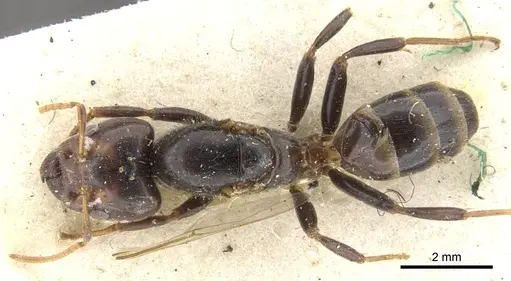
Littérature
Chargement de la carte de répartition...Chargement des produits...