
Azteca aesopus
- Nom sci.
- Azteca aesopus
- Tribu
- Leptomyrmecini
- Sous-famille
- Dolichoderinae
- Auteur
- Forel, 1908
- Distribution
- Trouvé dans 0 pays
Introduction
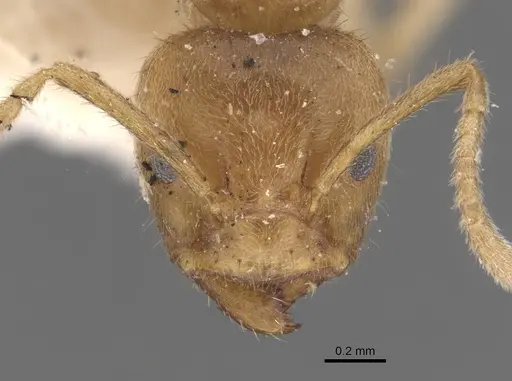
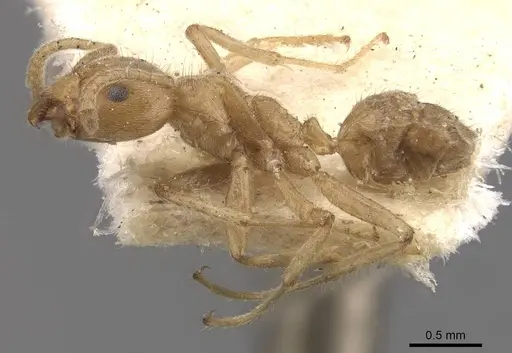
Azteca aesopus is a rarely encountered ant from the Dolichoderinae subfamily, known only from specimens collected in Brazil [AntWiki]. The type specimens were collected on December 1,1905 at Porto Cachoeira in Espírito Santo state, though Auguste Forel originally described the species in 1908 as being from São Paulo . Like other members of the genus Azteca, they have the characteristic single-node waist and compact body typical of the group, but no published photographs or detailed measurements of living colonies exist [AntWiki]. What makes this species notable is how little we know about its biology. While many Azteca ants are famous for living in hollow plant stems and defending Cecropia trees, no one has published observations of A. aesopus nests, foraging behavior, or colony size. The species was described from worker specimens alone, and no studies have documented their queens, preferred nesting sites, or whether they live in trees or on the ground .
Quick Summary
- Difficulty: Expert
- Origin & Habitat: Brazil, specifically the Atlantic Forest region of Espírito Santo state [2][3]. Natural nesting preferences are unconfirmed.
- Colony Type: Unconfirmed. No studies have documented whether colonies contain one queen or multiple queens.
- Size & Growth:
- Queen: Size data unavailable. No queen specimens have been described in literature.
- Worker: Size data unavailable. No worker measurements have been published.
- Colony: Unknown. No colony size estimates exist.
- Growth: Unknown
- Development: Unknown. No development studies exist for this species. (Development timeline has not been documented.)
- Antkeeping:
- Temperature: Unknown specifically. Based on tropical Brazilian origin, start around 24-28°C and observe activity levels.
- Humidity: Unknown. Given the Atlantic Forest origin, aim for moderately high humidity with ventilation to prevent mold.
- Diapause: No. They come from tropical Brazil and likely remain active year-round.
- Nesting: Unknown. Azteca ants often nest in plant cavities, but this is unconfirmed for A. aesopus.
- Behavior: Unknown specifically. Azteca ants are typically fast-moving and arboreal, but whether A. aesopus follows these patterns is unstudied. They lack a functional sting and use chemical defenses instead, typical of Dolichoderinae.
- Common Issues: virtually no published biology exists, making care unpredictable and experimental., escape prevention is critical if they follow typical Azteca patterns of fast movement and small size., wild-caught colonies may carry parasites or mites that kill them in captivity., obtaining queens is extremely difficult since nuptial flights have never been documented.
Distribution and Type Locality
Azteca aesopus was described by Auguste Forel in 1908 based on specimens he believed came from São Paulo, Brazil [1]. However, recent examination of museum specimens has corrected this to Porto Cachoeira, Colonia Leopoldina (now Santa Leopoldina), in Espírito Santo state [2][3]. The type series was collected on December 1,1905 by E. Garbe [3]. Specimens are housed in the Museu de Zoologia da Universidade de São Paulo (MZSP), the Natural History Museum of Basel (NHMB), and the Natural History Museum of Geneva (MHNG) [2][3]. No other collection records exist, meaning we know nothing about their current population status or whether they remain common in the Atlantic Forest region.
Natural History
No published studies describe the living biology of A. aesopus. We do not know where they nest, what they eat, how large their colonies grow, or when they reproduce. Many Azteca ants live in hollow stems of Cecropia trees or other myrmecophytic plants, but this is genus-level inference and may not apply to this species. Similarly, Azteca ants are typically active foragers that recruit quickly to food sources, but whether A. aesopus shows these behaviors is completely unknown.
Defense Mechanism
Azteca aesopus belongs to the subfamily Dolichoderinae, which lacks a functional sting. Instead, these ants defend themselves by secreting defensive chemical compounds from a slit-like opening at the tip of the abdomen. This smear defense is typical of the Leptomyrmecini tribe.
Captive Care Guidelines
Keeping A. aesopus is not recommended due to the complete lack of care information. If you somehow obtain a colony, treat them as experimental tropical ants. Maintain temperatures around 24-28°C based on their Brazilian origin. Provide high humidity but ensure ventilation to prevent fungal growth. Use excellent escape prevention, fine mesh and tight-fitting lids, as Azteca ants are typically small and fast. Offer a varied diet including sugar water and small insects, but accept that these are guesses. Watch for signs of stress such as workers clustering in dry areas or refusing food, and adjust conditions accordingly.
Why This Species Is Poorly Known
The lack of information about A. aesopus reflects a broader pattern in tropical ant taxonomy. Many species are described from single collections made over a century ago, with no follow-up research into their ecology. The type specimens sit in museum drawers, but no entomologist has tracked down living populations to study their behavior. For antkeepers, this means you would be flying blind, there are no care guides, no videos of successful colonies, and no experienced keepers to consult. This makes them unsuitable for captivity except as scientific curiosities.
Frequently Asked Questions
What do Azteca aesopus eat?
Their diet is completely unstudied. Based on typical Azteca patterns, they likely consume honeydew from scale insects and small prey items, but this is speculation for A. aesopus.
How long until Azteca aesopus eggs become workers?
Unknown. No one has documented their development timeline.
Can I keep multiple Azteca aesopus queens together?
Not recommended. Whether this species accepts multiple queens has never been documented. Combining queens risks fighting and death.
Do Azteca aesopus need hibernation?
No. They come from tropical Brazil and likely remain active year-round without a winter rest period.
Are Azteca aesopus good for beginners?
No. They are virtually unknown in the hobby, have no care documentation, and likely require advanced techniques. Beginners should choose well-documented species like Lasius niger or Camponotus instead.
Where can I buy Azteca aesopus?
They are not commercially available. You would need to collect them from Brazil, which requires permits and is not recommended due to the complete lack of care information.
How big do Azteca aesopus colonies get?
Unknown. No colony size estimates exist for this species.
Report an Issue
The current care sheet is based fully on literature. See inconsistencies, or something that's incorrect? Please , it will be resolved after review from an admin. Contributing to the blogs tab also helps providing information, to make us be able to further improve the caresheets. Thank you for your support!
References

Cette fiche d'élevage est sous licence CC BY-SA 4.0 .
Blogs de la communauté
CASENT0909581
Voir sur AntWeb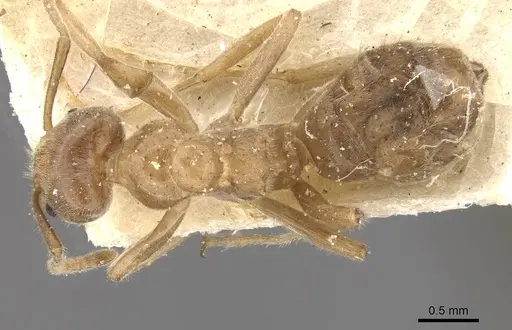
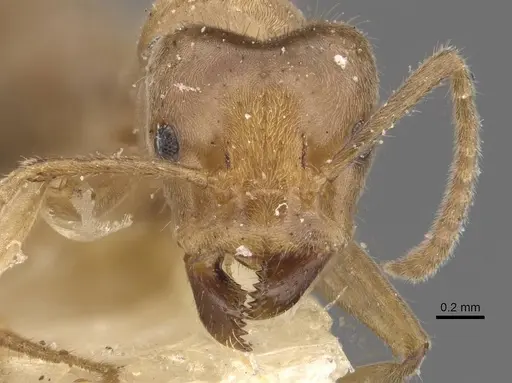
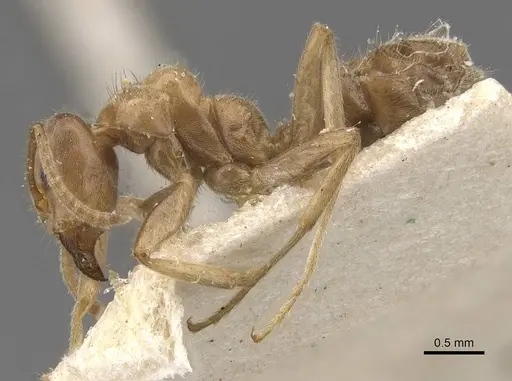
CASENT0909582
Voir sur AntWeb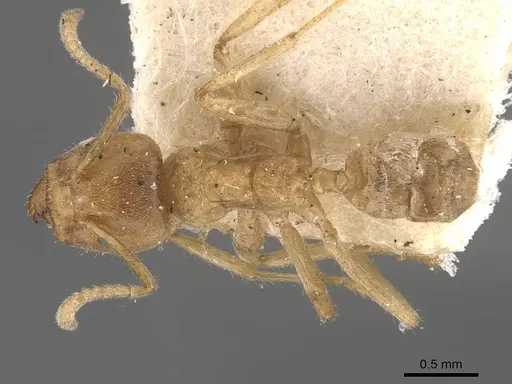
Littérature
Chargement de la carte de répartition...Chargement des produits...