
Apterostigma madidiense
- Nom sci.
- Apterostigma madidiense
- Tribu
- Attini
- Sous-famille
- Myrmicinae
- Auteur
- Weber, 1938
- Distribution
- Trouvé dans 0 pays
Introduction
Apterostigma madidiense is a small fungus-growing ant from the leaf litter forests of South America. They belong to the Attini tribe, meaning they cultivate fungal gardens for food rather than hunting or scavenging directly [AntWiki]. Native to the Neotropical region, they have been recorded in Bolivia, Peru, Argentina, and Paraguay, with the type specimen collected from the Lower Rio Madidi in Bolivia [AntWiki]. Research in Brazil found them predominantly in native forest leaf litter, with 58 specimens collected in native forest compared to only 2 in eucalyptus plantations, showing a clear preference for undisturbed habitats . Like other lower attines, they cultivate fungus gardens using organic debris like insect frass and decaying plant matter rather than cutting fresh vegetation.
Quick Summary
- Difficulty: Expert
- Origin & Habitat: Neotropical leaf litter forests of Bolivia, Peru, Argentina, and Paraguay [2][1]
- Colony Type: Unknown, likely single-queen based on typical Apterostigma patterns, but unconfirmed
- Size & Growth:
- Queen: size data unavailable, inferred from Apterostigma genus (~4-5 mm)
- Worker: size data unavailable, inferred from Apterostigma genus (~2-4 mm)
- Colony: Unknown
- Growth: Moderate
- Development: 8-12 weeks (estimated based on typical attine patterns) (Development timing is unconfirmed for this species. Based on typical attine patterns, expect several weeks to months depending on temperature.)
- Antkeeping:
- Temperature: Tropical species, maintain around 24-26°C based on native range near the equator. Start at 25°C and adjust based on colony activity levels.
- Humidity: High humidity required, keep nest substrate consistently moist but not waterlogged, mimicking damp leaf litter conditions. The substrate should feel damp to the touch.
- Diapause: No, tropical species remain active year-round and do not require hibernation [1]
- Nesting: Require specialized fungus-growing chambers with organic substrate. Naturalistic setups with leaf litter, decaying wood fragments, and chambers for fungus gardens work best.
- Behavior: Slow-moving and focused on fungus garden maintenance, generally non-aggressive but capable of stinging if threatened. They spend most of their time tending the fungus and foraging for substrate materials. Because of their small size, escape prevention must be excellent, use tight-fitting lids and fine mesh barriers.
- Common Issues: fungus garden contamination from mold or mites kills colonies rapidly., founding often fails if the queen does not establish viable fungus gardens., colonies collapse quickly if humidity drops too low or substrate dries out., vibrations and frequent disturbances stress the fungus garden and may cause colony failure., sterile conditions are difficult to maintain, bacterial contamination ruins fungus gardens.
Natural History and Distribution
Apterostigma madidiense inhabits the leaf litter layer of Neotropical forests across Bolivia, Peru, Argentina, and Paraguay [2][1]. The species was first described from specimens collected along the Lower Rio Madidi in Bolivia [1]. They show a strong preference for native forest habitats over disturbed areas. In Brazilian surveys, researchers collected 58 specimens in native forest leaf litter compared to only 2 in eucalyptus plantations [3]. They have also been found in cocoa plantations using Winkler traps [4] and appear in agricultural areas like soybean crops, though less frequently than in native forests [5]. This leaf-dwelling lifestyle means they require consistently moist conditions and access to decaying organic matter.
Fungus Cultivation Biology
As members of the Attini tribe, Apterostigma madidiense are fungus-growing ants. They cultivate symbiotic fungi in underground gardens, feeding the fungus with collected organic material and then eating the fungus itself [1]. Unlike the famous leaf-cutter ants (higher attines), lower attines like Apterostigma typically use insect frass, decaying plant matter, and other organic debris rather than fresh leaves. The queen likely starts her colony with a pellet of fungus carried from her parent nest, though this specific founding behavior is unconfirmed for this species. Maintaining the fungus garden is the central activity of the colony, workers constantly tend the fungus, removing waste and bringing in fresh substrate. If the fungus dies, the colony starves.
Housing and Nest Requirements
You cannot keep these ants in a standard test tube setup. They require a specialized fungus-growing chamber with suitable substrate. A naturalistic setup works best, use a container with a base of plaster or Y-tong (autoclaved aerated concrete) to maintain humidity, topped with leaf litter, decaying wood fragments, and organic soil. The ants need space to establish their fungus garden, typically in a dark, humid chamber. Provide multiple small chambers or cavities where they can move the fungus if conditions change. Ventilation must be balanced carefully, enough to prevent stagnant air and mold, but not so much that the substrate dries out. Use fine mesh for ventilation holes to prevent escapes.
Temperature and Humidity Care
Keep your colony warm and stable. Based on their tropical distribution in Bolivia and Peru, maintain temperatures around 24-26°C [2]. Use a heating cable or mat on one side of the nest to create a gentle gradient, allowing the ants to choose their preferred temperature. Place the heating element on top of the nest rather than underneath to avoid drying out the substrate from below. Humidity is critical, the nest substrate must remain consistently damp, mimicking the moist leaf litter they inhabit in nature [3]. Check the substrate daily, if the surface starts drying, rehydrate immediately. However, avoid waterlogged conditions that promote mold. A humidity gradient from wet to slightly damp helps the ants regulate their fungus garden conditions.
Feeding and Nutrition
Do not feed these ants honey or sugar water as their primary food. They eat fungus, not sweets. You must provide suitable substrate materials for the fungus to grow on. Offer small amounts of insect frass (pre-digested insect waste), decaying leaves, or specialized attine fungus food available from ant-keeping suppliers. Some keepers use dried oatmeal or rice that has been pre-digested by boiling. Introduce new substrate in small amounts, too much fresh organic matter can introduce mold that contaminates the fungus garden. Remove any moldy substrate immediately. While they may accept tiny amounts of sugar water as a supplement, their survival depends entirely on the health of their fungus garden.
Frequently Asked Questions
Can I keep Apterostigma madidiense in a test tube?
No. Unlike many ant species, fungus-growing ants require specialized setups with substrate chambers for their fungus gardens. A test tube provides nowhere to establish the fungus colony and lacks the humidity control and space needed for attine ants.
What do Apterostigma madidiense eat?
They eat fungus that they cultivate in underground gardens. You must provide organic substrate materials like insect frass, decaying plant matter, or specialized attine food for the fungus to grow on. They do not eat honey, sugar water, or insects directly as their primary nutrition.
Are Apterostigma madidiense good for beginners?
No. These are expert-level ants. Fungus-growing ants require sterile conditions, specialized diets, careful humidity control, and specific housing. Colony failure is common even for experienced keepers if the fungus garden becomes contaminated or dries out.
How long until Apterostigma madidiense get their first workers?
The egg-to-worker timeline is unconfirmed for this species. Based on related attine ants, founding can take several weeks to months. However, founding success rates are often low in captivity for fungus-growing species.
Do Apterostigma madidiense need hibernation?
No. They are a tropical species from Bolivia, Peru, and surrounding regions [2]. They remain active year-round and do not require a winter rest period or diapause.
How big do Apterostigma madidiense colonies get?
Maximum colony size is unknown. Related Apterostigma species typically maintain small to moderate colonies, but specific numbers for this species have not been documented.
Can I keep multiple Apterostigma madidiense queens together?
Combining multiple queens is not recommended. While the natural colony structure is unknown, most attine ants are single-queen. Attempting to house multiple queens together risks fighting and colony stress.
Report an Issue
The current care sheet is based fully on literature. See inconsistencies, or something that's incorrect? Please , it will be resolved after review from an admin. Contributing to the blogs tab also helps providing information, to make us be able to further improve the caresheets. Thank you for your support!
References

Cette fiche d'élevage est sous licence CC BY-SA 4.0 .
Blogs de la communauté
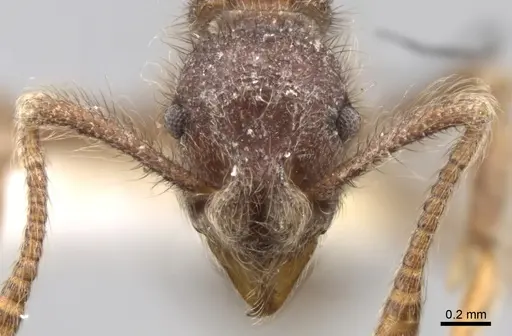
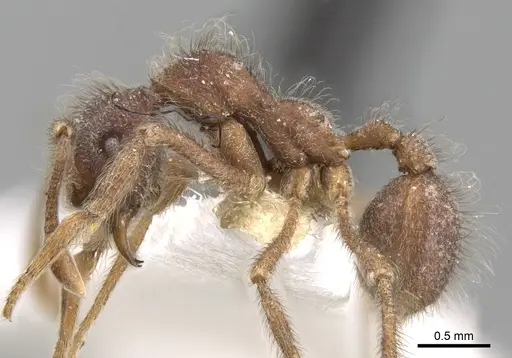
CASENT0281778
Voir sur AntWeb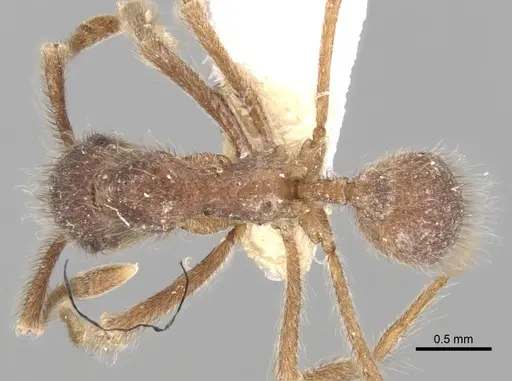
Littérature
Chargement de la carte de répartition...Chargement des produits...