
Aphaenogaster torossiani
- Nom sci.
- Aphaenogaster torossiani
- Tribu
- Stenammini
- Sous-famille
- Myrmicinae
- Auteur
- Cagniant, 1988
- Distribution
- Trouvé dans 1 pays
Introduction
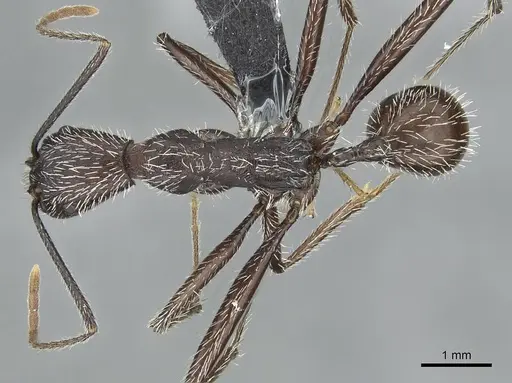
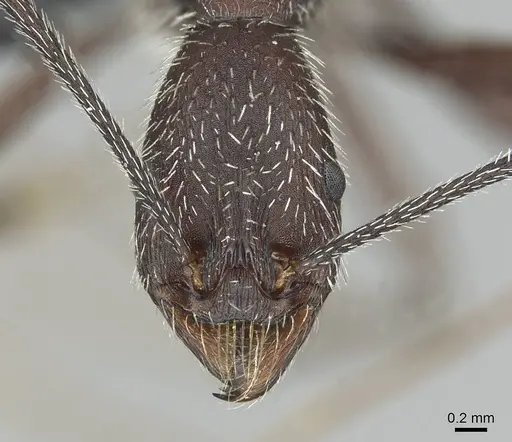
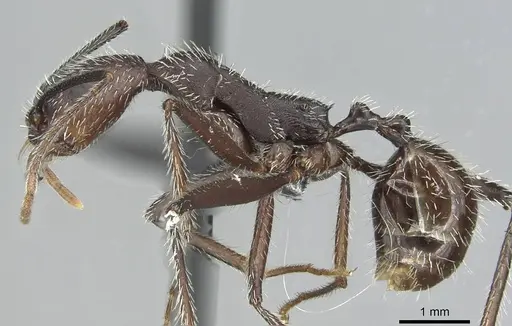
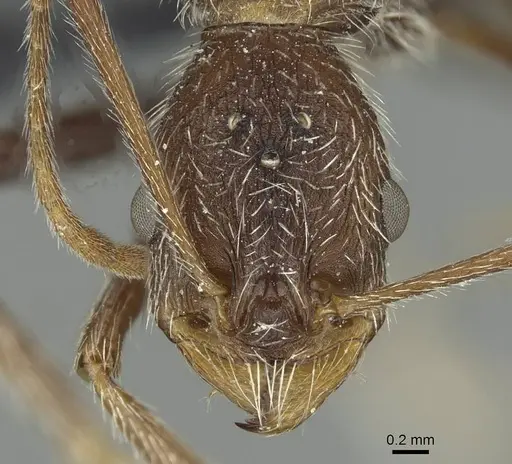
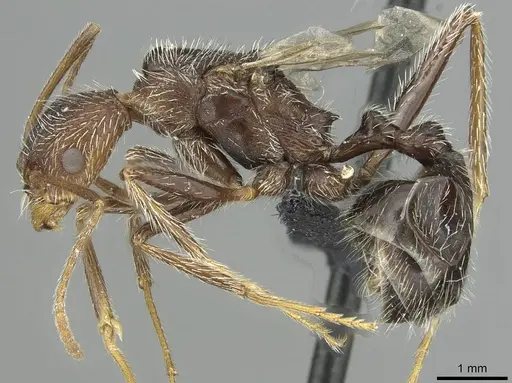
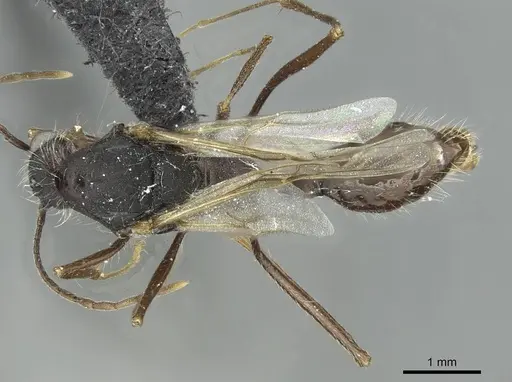
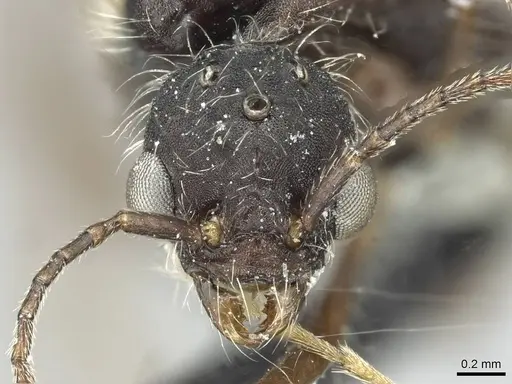
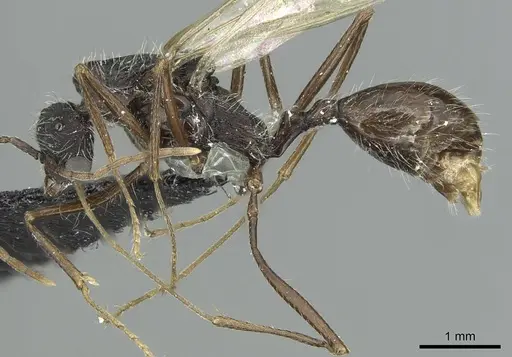
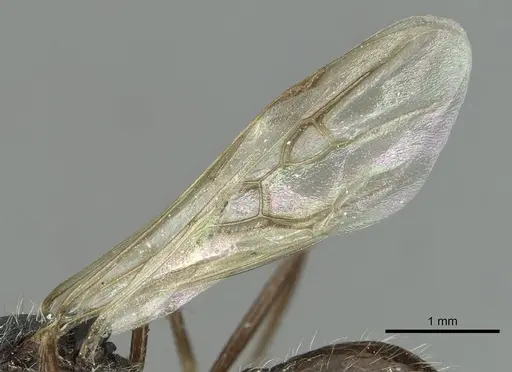
Aphaenogaster torossiani is a rarely encountered ant found only in the High Atlas mountains of Morocco . Henri Cagniant first described this species in 1988 from specimens collected at Cascades d'Ouzoud, approximately 50 kilometers west-southwest of Béni-Mellal at 750 meters elevation . This species belongs to the testaceopilosa group and lives in the Palearctic region at extratropical latitudes around 32 degrees north . Very little is known about their daily life or colony habits, as researchers have published only taxonomic descriptions and distribution records .
Quick Summary
- Difficulty: Expert
- Origin & Habitat: Endemic to Morocco, restricted to the High Atlas mountains near Ouzoud and Azilal at approximately 750m elevation [1][2].
- Colony Type: Unconfirmed. Colony structure has not been studied for this species.
- Size & Growth:
- Queen: Size data unavailable for this species. Based on typical measurements for related testaceopilosa group species, queens are likely around 6-8mm.
- Worker: Size data unavailable for this species. Based on typical measurements for related Aphaenogaster species, workers are likely around 3-5mm.
- Colony: Unknown. No studies have documented maximum colony size.
- Growth: Unknown.
- Development: Unknown. Based on typical temperate Aphaenogaster patterns, estimate 8-12 weeks at 25°C. (This is an unconfirmed estimate based on genus patterns. Actual development time may vary significantly.)
- Antkeeping:
- Temperature: Unstudied. Based on their mountain origin at 750m in the extratropical zone, keep between 20-25°C during the active season [3][2].
- Humidity: Unstudied. Provide moderate humidity with substrate that feels damp but not waterlogged.
- Diapause: Likely required. As an extratropical mountain species from a seasonal climate, they probably need a cool winter rest period [3].
- Nesting: Unknown in detail. Provide options for soil or stone nesting based on typical mountain ant preferences.
- Behavior: Unknown. Assume they forage individually like other Aphaenogaster. Escape risk is unknown but likely high given the small size typical of the genus.
- Common Issues: complete lack of captive care data means you are essentially pioneering husbandry techniques for this species., restricted endemic range means any wild collection significantly impacts the local population., unknown dietary requirements may cause colony failure if standard foods are rejected., mountain populations may require specific temperature cues for brood development that are not yet documented.
Distribution and Conservation Status
This species lives only in the High Atlas mountains of Morocco, specifically around the Ouzoud and Azilal regions [1]. The type specimens came from Cascades d'Ouzoud at 750 meters elevation [2]. Their restricted range makes them vulnerable to habitat disruption, and they have never been studied in captivity [4]. Any collection for the pet trade could significantly impact wild populations.
Housing and Nest Setup
Since their natural nesting habits are unstudied, provide multiple options. Offer a soil-based nest or Y-tong nest with chambers around 5-10mm wide. Include flat stones or bark pieces as they may nest under cover in their mountain habitat. Ensure excellent escape prevention as their size is unknown but likely small based on related species. [2]
Temperature and Seasonal Care
Keep the nest area at 20-25°C during the active season with a heating cable on one side creating a gradient [3]. As an extratropical mountain species, they likely experience seasonal changes. Cool them to 10-15°C for 2-3 months during winter to simulate their natural mountain climate.
Feeding and Diet
Aphaenogaster species are typically generalist scavengers and seed collectors. Offer small insects like fruit flies, springtails, and crushed mealworms. Provide seeds such as chia or millet. Sugar water or honey water may be accepted. Watch carefully to see what they actually eat since their specific diet is unstudied.
Colony Founding
Founding behavior is unconfirmed for this species. Most Aphaenogaster queens are claustral, sealing themselves in and living off fat reserves until workers hatch. Set up new queens in test tubes with damp cotton and darkness. Do not disturb for several weeks. If the queen does not seal herself in or appears to forage, she may be semi-claustral, requiring food during founding.
Frequently Asked Questions
Can I keep Aphaenogaster torossiani as a pet?
Only if you can legally obtain them from ethical sources and accept that no care guide exists. They are endemic to Morocco and have no documented captive care history [1][2].
Are Aphaenogaster torossiani good for beginners?
No. The complete lack of biological data makes them suitable only for experienced keepers willing to experiment and potentially lose the colony while establishing care protocols.
Do Aphaenogaster torossiani need hibernation?
Likely yes, given their extratropical mountain origin, though this is unconfirmed. Provide a cool period at 10-15°C for 2-3 months during winter [3].
What do Aphaenogaster torossiani eat?
Unknown. Try generalist foods like small insects (fruit flies, springtails), seeds, and sugar water. Observe what they accept.
How long until first workers for Aphaenogaster torossiani?
Unknown. Estimate 8-12 weeks based on related temperate Aphaenogaster species, but this is unconfirmed.
How big do Aphaenogaster torossiani colonies get?
Unknown. No studies have documented colony size for this species.
Can I keep multiple Aphaenogaster torossiani queens together?
Unstudied. Do not attempt to combine multiple queens without confirmation, as this could lead to fighting.
Where do Aphaenogaster torossiani come from?
They are endemic to the High Atlas mountains of Morocco, specifically the Ouzoud and Azilal regions [1].
Report an Issue
The current care sheet is based fully on literature. See inconsistencies, or something that's incorrect? Please , it will be resolved after review from an admin. Contributing to the blogs tab also helps providing information, to make us be able to further improve the caresheets. Thank you for your support!
References

Cette fiche d'élevage est sous licence CC BY-SA 4.0 .
Blogs de la communauté
Littérature
Chargement de la carte de répartition...Chargement des produits...