
Aphaenogaster praenoda
- Nom sci.
- Aphaenogaster praenoda
- Tribu
- Stenammini
- Sous-famille
- Myrmicinae
- Auteur
- Santschi, 1933
- Distribution
- Trouvé dans 1 pays
Introduction
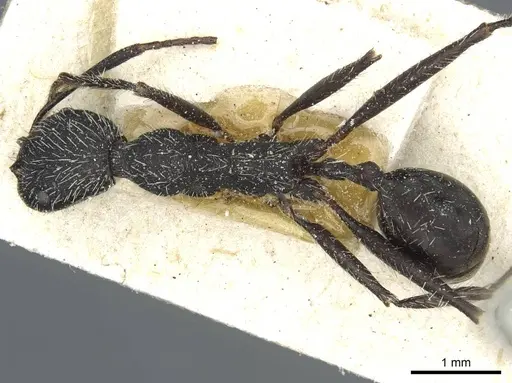
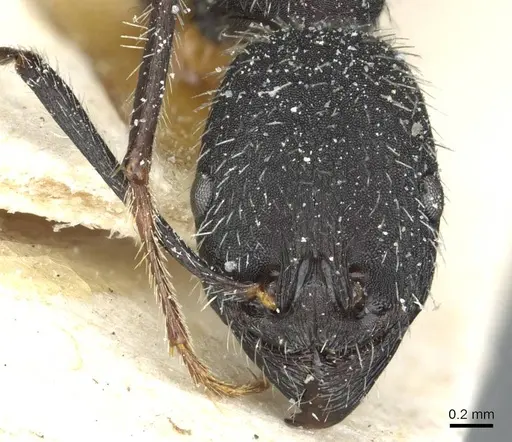
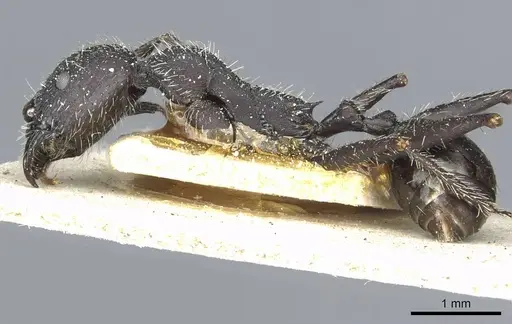
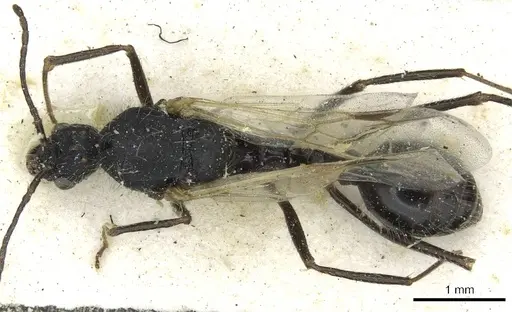
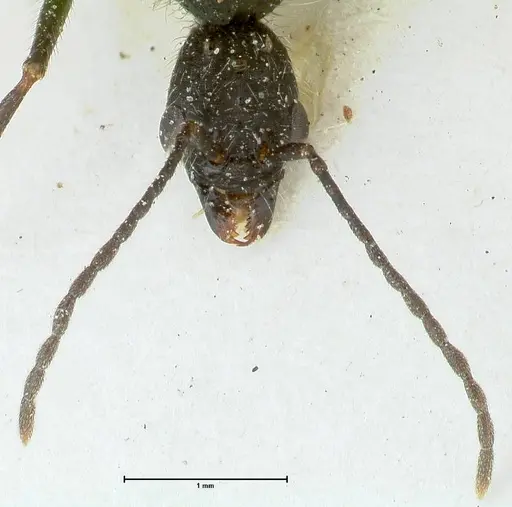
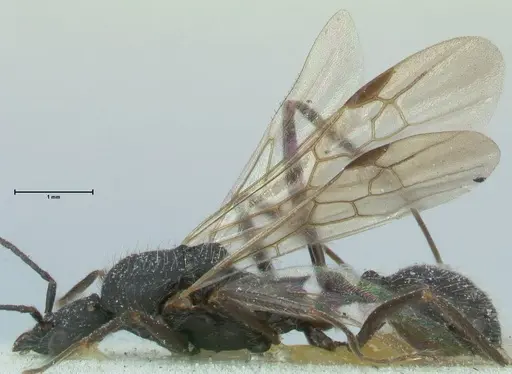
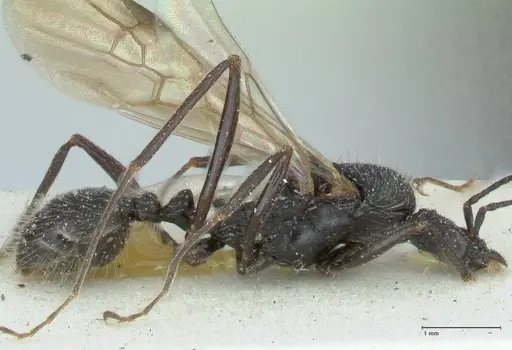
Aphaenogaster praenoda is a rarely studied ant found only in Morocco . Described by Santschi in 1933 from specimens collected in Rabat, this Mediterranean species belongs to the testaceopilosa group within the genus Aphaenogaster . They live at roughly 34°N latitude in a Mediterranean climate with hot, dry summers and mild, wet winters . Very little is known about their specific habits in the wild. Based on patterns seen in related Aphaenogaster species, they likely nest in soil or under stones in scrubland habitats, but keepers should expect to work with limited specific data and observe their colonies closely to determine exact needs.
Quick Summary
- Difficulty: Medium
- Origin & Habitat: Morocco, Mediterranean region [1][2]
- Colony Type: Likely single-queen based on typical Aphaenogaster patterns, but unconfirmed
- Size & Growth:
- Queen: Size data unavailable, inferred from Aphaenogaster genus patterns (~7-9 mm)
- Worker: Size data unavailable, inferred from Aphaenogaster genus patterns (~4-6 mm)
- Colony: Unknown, similar Aphaenogaster species reach up to 2000 workers
- Growth: Moderate (estimated)
- Development: Estimated 8-12 weeks at 25°C based on related Aphaenogaster species (Timeline is inferred from genus patterns, actual timing unconfirmed for this species)
- Antkeeping:
- Temperature: Keep at 20-26°C during the activity season. Provide mild winter rest at 10-15°C for 2-3 months due to their Mediterranean origin [1].
- Humidity: Moderate humidity, keep the nest substrate slightly moist but not wet, similar to Mediterranean soil conditions. Provide good ventilation to prevent mold.
- Diapause: Yes, likely needs a mild winter rest period due to their extratropical Mediterranean climate [1].
- Nesting: Soil-based or wooden nests with humid chambers, they likely prefer enclosed spaces similar to natural soil and stone crevices.
- Behavior: Likely moderately active with typical Aphaenogaster foraging style, scavenging and possibly seed collection. Defensive but not highly aggressive (inferred from genus patterns).
- Common Issues: limited specific care data means you must observe your colony closely and adjust conditions based on their response rather than following a rigid guide., Mediterranean species often fail if kept too warm year-round without a winter rest period to slow their metabolism., likely sensitive to overly wet nest conditions which can cause fungal growth or mite problems in captivity., slow growth rate means beginners may overfeed or disturb the colony too frequently while waiting for population increases.
Distribution and Natural History
Aphaenogaster praenoda comes exclusively from Morocco, specifically collected around Rabat and surrounding areas [3][2]. They live at approximately 33.8°N latitude in a Mediterranean climate zone, making them extratropical (non-tropical) ants that experience distinct seasonal changes [1]. In the wild, they likely inhabit scrubland, open woodlands, or areas with stone cover where they can nest in soil crevices. Because they come from a region with hot, dry summers and cool, wet winters, they probably follow a seasonal rhythm with reduced activity during cooler months. Unfortunately, detailed studies of their wild behavior, nest structure, and colony organization have not been published, so keepers must rely on general patterns from the Aphaenogaster genus while watching for species-specific quirks.
Nest Preferences
Based on typical Aphaenogaster habits, these ants likely prefer nesting in humid soil, under flat stones, or in rotting wood in the wild. In captivity, a Y-tong (aerated concrete) nest or a plaster nest works well for this genus. Provide chambers that feel secure and enclosed, they like tight spaces rather than open rooms. Keep the nest substrate slightly moist but never waterlogged, Mediterranean ants often die in swampy conditions but need some humidity to prevent desiccation. A setup with a moisture gradient (damp on one end, slightly drier on the other) lets the colony choose their preferred spot. If using a test tube for founding, provide a water reservoir blocked with cotton, and consider a small piece of foil or cardboard to give the queen a dark, enclosed feeling.
Feeding and Diet
While specific diet studies for Aphaenogaster praenoda do not exist, related Aphaenogaster species are opportunistic feeders. They scavenge dead insects, hunt small live prey, and collect seeds. In captivity, offer small pieces of mealworms, crickets, or fruit flies. Many Aphaenogaster species enjoy seeds, so try offering small bird seeds or millet to see if your colony stores them. Sugar water or honey water provides necessary carbohydrates, offer it in a test tube or small dish with a cotton ball to prevent drowning. Feed protein 2-3 times per week and keep sugar water available constantly. Remove uneaten food quickly to prevent mold, as Mediterranean species seem particularly sensitive to fungal growth in humid setups.
Temperature and Seasonal Care
Coming from Morocco, these ants experience warm summers and mild winters. During the active season (roughly March to October), keep them at 20-26°C. A heating cable on one side of the nest creates a beneficial gradient, but place it on top rather than underneath to avoid creating condensation that floods the chambers. For winter care, lower the temperature to 10-15°C for 2-3 months to simulate their natural Mediterranean winter. This diapause (winter rest) period is important for their long-term health and proper brood development timing. During this rest period, keep the nest slightly cooler and reduce feeding, though do not let them dry out completely. [1]
Colony Founding
The founding behavior of Aphaenogaster praenoda has not been directly observed, but based on typical Aphaenogaster patterns, queens are almost certainly fully claustral. This means the queen seals herself in a chamber and lives entirely off her stored body fat reserves until her first workers hatch. She does not need to leave to forage during this vulnerable period. Set up founding queens in a standard test tube with a water reservoir blocked by cotton, or a small founding box with a humid plaster floor. Keep them in the dark and undisturbed at around 25°C. Do not feed the queen during founding, she has everything she needs internally. First workers (nanitics) will likely emerge after 8-12 weeks based on related species, though this timeline is uncertain for this specific ant.
Frequently Asked Questions
Can I keep Aphaenogaster praenoda in a test tube?
Yes, a standard test tube setup works well for founding and small colonies. Use a water reservoir blocked with cotton to provide humidity, and keep the tube in a dark, warm place around 25°C during the founding stage.
How long until Aphaenogaster praenoda gets its first workers?
The exact timeline is unknown for this species. Based on related Aphaenogaster species, expect roughly 8-12 weeks at 25°C, though it could be shorter or longer depending on temperature and individual variation.
Do Aphaenogaster praenoda need hibernation?
Yes, likely yes. Because they come from Morocco's Mediterranean climate with distinct seasons, they probably need a mild winter rest period (diapause) at 10-15°C for 2-3 months to stay healthy long-term.
Can I keep multiple Aphaenogaster praenoda queens together?
Not recommended. While unconfirmed for this species, most Aphaenogaster are monogyne (single-queen). Combining multiple queens will likely result in fighting and death. Start with one queen per colony.
What do Aphaenogaster praenoda eat?
They are likely generalist omnivores like other Aphaenogaster. Offer small insects (mealworms, crickets, fruit flies) for protein, and sugar water or honey for carbohydrates. Some Aphaenogaster species collect seeds, so you can experiment with offering small seeds.
Are Aphaenogaster praenoda good for beginners?
They are medium difficulty. While Aphaenogaster species are generally hardy, the lack of specific care data for praenoda means beginners must be comfortable observing and adjusting care based on colony response rather than following a strict guide.
What temperature should I keep Aphaenogaster praenoda?
Keep them at 20-26°C during the active season, with a heating gradient if possible. For winter, drop to 10-15°C for 2-3 months to simulate their natural Mediterranean climate.
How big do Aphaenogaster praenoda colonies get?
The maximum colony size is unknown. Similar Aphaenogaster species typically reach up to 2000 workers over a few years. Expect moderate, steady growth rather than explosive expansion.
Report an Issue
The current care sheet is based fully on literature. See inconsistencies, or something that's incorrect? Please , it will be resolved after review from an admin. Contributing to the blogs tab also helps providing information, to make us be able to further improve the caresheets. Thank you for your support!
References

Cette fiche d'élevage est sous licence CC BY-SA 4.0 .
Blogs de la communauté
Littérature
Chargement de la carte de répartition...Chargement des produits...