
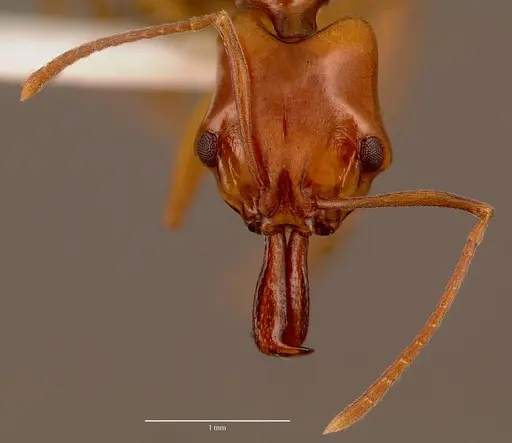
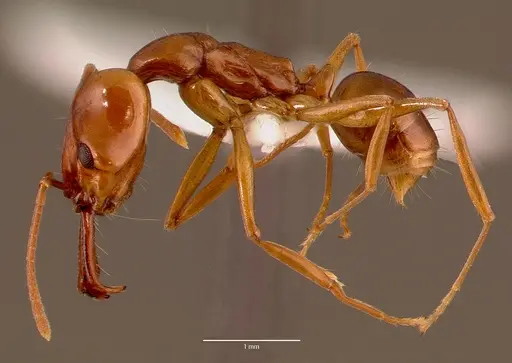
Anochetus natalensis
- Nom sci.
- Anochetus natalensis
- Tribu
- Ponerini
- Sous-famille
- Ponerinae
- Auteur
- Arnold, 1926
- Distribution
- Trouvé dans 2 pays
Introduction
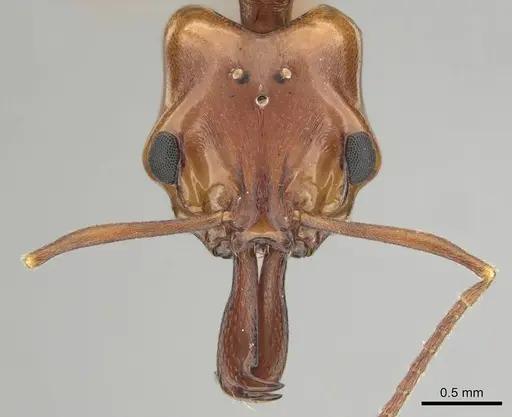
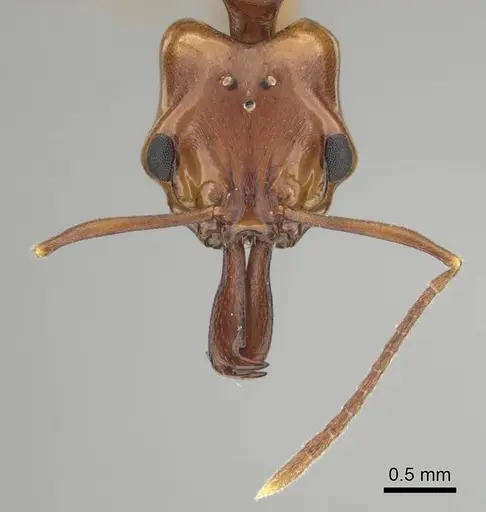
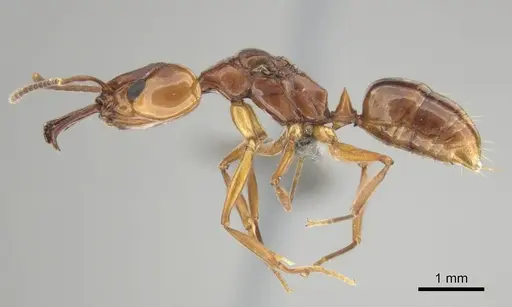
Anochetus natalensis is a trap-jaw ant belonging to the africanus species group within the genus Anochetus . These ants possess the characteristic spring-loaded mandibles that snap shut at high speeds to capture prey or defend the nest. The genus Anochetus is part of the subfamily Ponerinae, which means workers have a functional sting for defense. Detailed natural history observations for Anochetus natalensis specifically remain very limited. What is known comes from phylogenetic placement in the africanus species group, which indicates African distribution. All other information about this species draws from general genus characteristics rather than confirmed studies.
Quick Summary
- Difficulty: Expert
- Origin & Habitat: Africa (specific region unconfirmed), the africanus species group is distributed across Africa [1].
- Colony Type: Unconfirmed, colony structure for this species is unknown.
- Size & Growth:
- Queen: Size data unavailable
- Worker: Size data unavailable
- Colony: Colony size data unavailable, Anochetus colonies are typically small but exact numbers unconfirmed
- Growth: Growth rate unconfirmed
- Development: Development time unconfirmed (No specific data available for this species)
- Antkeeping:
- Temperature: Temperature requirements unconfirmed, likely tropical based on genus patterns
- Humidity: Humidity requirements unconfirmed
- Diapause: Diapause requirements unconfirmed
- Nesting: Nesting preferences unconfirmed, provide secure enclosure with small chambers
- Behavior: Trap-jaw predatory behavior inferred from genus, workers use spring-loaded mandibles to strike prey. Small size means escape prevention must be excellent. Workers possess a sting typical of Ponerinae ants.
- Common Issues: extremely limited species-specific data means you will need to experiment carefully and observe closely., trap-jaw mandibles require live prey to function properly, dead insects may not trigger the hunting response., small colony sizes typical of the genus mean colonies recover slowly from mistakes or disturbances., escape prevention is critical, workers are small and can squeeze through gaps in standard enclosures.
Taxonomy and Classification
Anochetus natalensis belongs to the africanus species group, a lineage of trap-jaw ants distributed across Africa [1]. The africanus group represents one of several species clusters within the genus Anochetus, which is characterized by specialized mandible mechanisms that allow for rapid striking movements. While this phylogenetic placement confirms its relationship to other African trap-jaw ants, the specific ecological preferences and behaviors of Anochetus natalensis remain unknown in available research.
Trap-Jaw Biology and Hunting
Anochetus species possess spring-loaded mandibles that can snap shut rapidly to capture prey or defend against threats. This mechanism is powered by specialized muscles that store energy for quick release. Workers likely hunt small arthropods. The trap-jaw mechanism likely functions best when hunting live prey that triggers the strike response. In captivity, offer small live prey items and observe whether the colony accepts them.
Defense Mechanism
As a member of the subfamily Ponerinae, Anochetus natalensis possesses a functional sting. Ponerine ants have a highly functional, visible stinger that can inject venom. However, the small size of these ants may limit the effectiveness of the sting against larger predators.
Colony Founding and Development
Founding behavior for Anochetus natalensis remains unconfirmed. Provide a small founding setup with access to food and secure hiding places. Monitor the queen closely during the founding period.
Housing and Environmental Needs
Specific nesting requirements for this species are unknown. Keep the colony in a secure enclosure with excellent escape prevention due to their small size. Use a heating setup on one side of the nest to create a gentle gradient if the colony shows activity. Provide small chambers appropriate for their size.
Frequently Asked Questions
What is known about Anochetus natalensis?
Research has only confirmed that Anochetus natalensis belongs to the africanus species group within the trap-jaw ant genus [1]. Specific details about its size, colony structure, and care requirements remain unknown.
How do I care for Anochetus natalensis?
Specific care instructions are unknown. Based on typical Anochetus patterns, maintain warm temperatures, offer small live prey, and ensure excellent escape prevention. Treat this as an experimental species requiring careful observation.
Are Anochetus natalensis good for beginners?
No. The lack of confirmed care data combined with specialized trap-jaw biology makes this suitable only for expert keepers willing to experiment.
What do Anochetus natalensis eat?
Specific diet is unconfirmed. Based on genus patterns, they likely require small live prey such as springtails, fruit flies, or tiny insects. The trap-jaw mechanism suggests they are active predators.
How long until first workers for Anochetus natalensis?
Development time is unknown for this species.
Do Anochetus natalensis need hibernation?
Diapause requirements are unconfirmed. The africanus group suggests African distribution where winter rest may not be required, but this remains unconfirmed.
How big do Anochetus natalensis colonies get?
Colony size is unconfirmed. Anochetus colonies are typically small but maximum size for this species is unknown.
Can I keep multiple Anochetus natalensis queens together?
Not recommended. While unconfirmed for this species, Anochetus typically maintain single-queen colonies. Combining queens risks fighting.
Do Anochetus natalensis sting?
Yes. As members of the subfamily Ponerinae, they possess a functional sting. However, their small size may limit the sting's effectiveness against human skin.
What is the difficulty level of keeping Anochetus natalensis?
Expert. The combination of scarce data and specialized predatory needs makes this challenging.
Report an Issue
The current care sheet is based fully on literature. See inconsistencies, or something that's incorrect? Please , it will be resolved after review from an admin. Contributing to the blogs tab also helps providing information, to make us be able to further improve the caresheets. Thank you for your support!
References

Cette fiche d'élevage est sous licence CC BY-SA 4.0 .
Blogs de la communauté
CASENT0235827
Voir sur AntWeb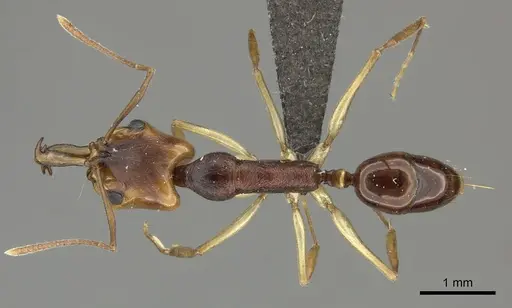
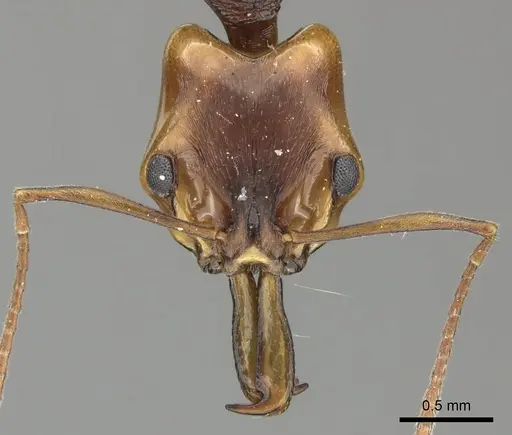
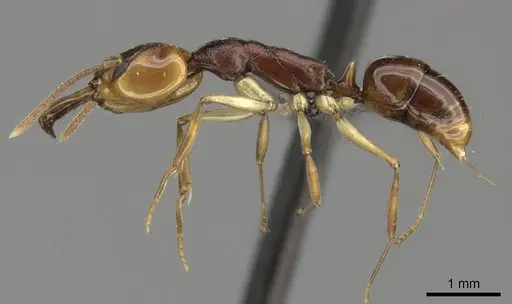
CASENT0257804
Voir sur AntWeb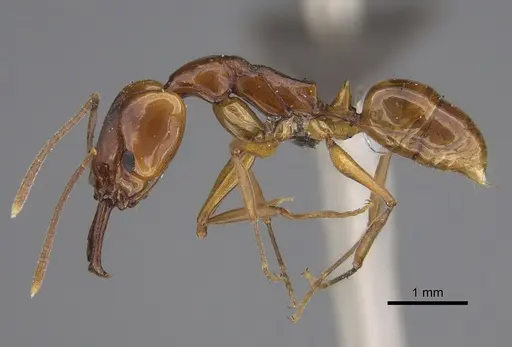
CASENT0257805
Voir sur AntWeb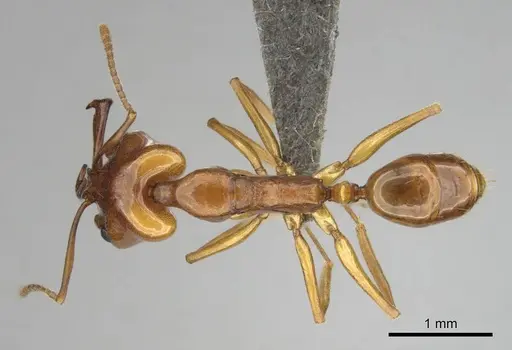
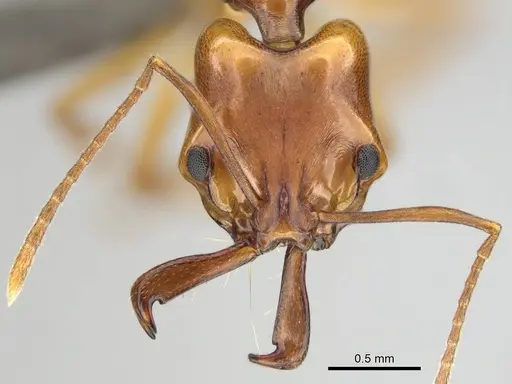
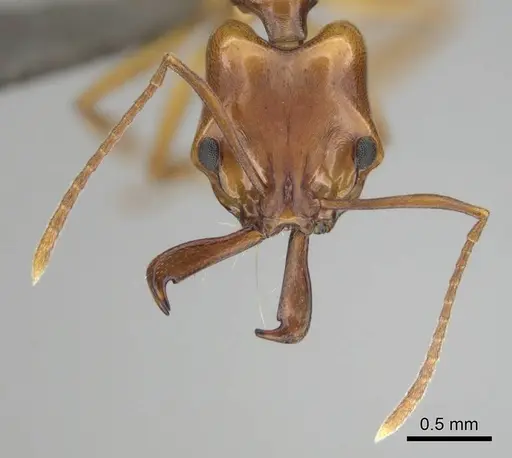
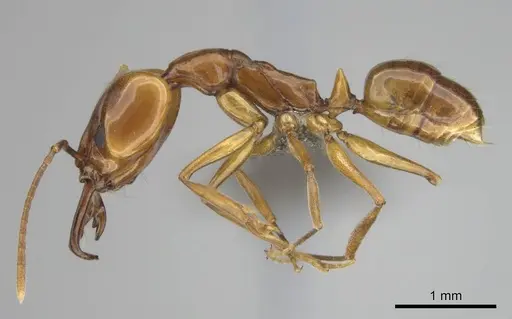
CASENT0257806
Voir sur AntWeb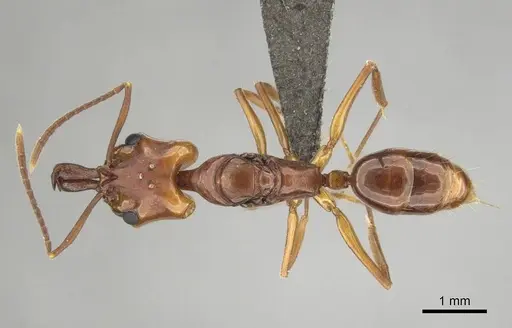
SAM-HYM-C002694A
Voir sur AntWeb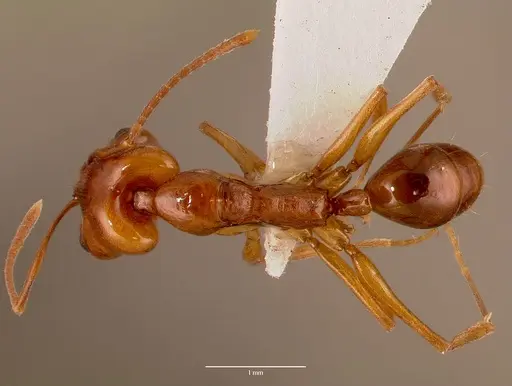
Littérature
Chargement de la carte de répartition...Chargement des produits...