
Aenictus westwoodi
- Nom sci.
- Aenictus westwoodi
- Sous-famille
- Dorylinae
- Auteur
- Forel, 1901
- Distribution
- Trouvé dans 0 pays
Introduction
Aenictus westwoodi is an army ant species in the subfamily Dorylinae, found in northern India, the Kerala region, and China . This species was first described by Forel in 1901 from northern India . Very little specific biological data exists for this species - most information about Aenictus biology comes from studying other species in the genus. Army ants are known for their distinctive nomadic lifestyle and predatory behavior, forming large colonies that regularly move to new hunting grounds. However, whether Aenictus westwoodi exhibits these typical army ant behaviors remains unconfirmed for this specific species.
Quick Summary
- Difficulty: Expert
- Origin & Habitat: Northern India and Kerala region (southern India), plus China [1][2][3]. Inhabits tropical to subtropical forest environments.
- Colony Type: Exact colony structure unconfirmed for this species. Army ant genus members typically form large colonies but specific fission behavior is not documented for Aenictus westwoodi.
- Size & Growth:
- Queen: Size data unavailable for this species
- Worker: Size data unavailable for this species
- Colony: Exact colony size unconfirmed for this species
- Growth: Unknown, no specific development data exists for this species
- Development: No specific data available for this species (Army ant colony reproduction typically involves colony fission rather than single-queen founding, but this is not confirmed for Aenictus westwoodi)
- Antkeeping:
- Temperature: Likely tropical requirements (24-28°C) based on Indian/Chinese distribution, start at 25°C and observe
- Humidity: Likely requires humid conditions based on tropical habitat, keep substrate consistently moist but not waterlogged
- Diapause: Unlikely, tropical species from India and China typically remain active year-round
- Nesting: Nomadic behavior is typical for army ants, requires large enclosure with deep substrate for bivouac formation
- Behavior: Army ant behavior is expected but not specifically documented for this species. Workers likely forage in groups and hunt prey. Escape risk is high due to small size and active foraging behavior.
- Common Issues: space requirements, army ants need massive enclosures far beyond standard antkeeping setups, food requirements, need constant supply of live prey which is logistically challenging, nomadic behavior, colonies do not stay in fixed nest locations, escape prevention is difficult due to small worker size, no documented successful captive keeping records for Aenictus species
Army Ant Biology and Keeping Challenges
Aenictus westwoodi belongs to the army ant subfamily Dorylinae. Unlike typical ants that build permanent nests, army ants form temporary living structures called bivouacs and move regularly to find new food sources [3]. This nomadic lifestyle makes them extremely challenging to keep in captivity.
Standard antkeeping equipment like test tubes and formicariums cannot accommodate army ant needs. These ants require enormous amounts of space, continuous high humidity, and constant access to live prey. Colony sizes reach thousands of workers, far exceeding what home setups can reasonably contain.
Successful captive maintenance of Aenictus species has not been documented in antkeeping communities. Observing this species in the wild is strongly recommended rather than attempting capture.
Natural History and Distribution
Aenictus westwoodi was first described by Forel in 1901 from northern India [1]. Distribution records confirm presence in the Kerala region of southern India [2] and in China [3]. The species inhabits tropical and subtropical forest environments.
Beyond these distribution records, specific biological data for Aenictus westwoodi is extremely limited. Other Aenictus species are known to be specialized predators that hunt termites, other ants, and small arthropods on the forest floor, typically foraging in groups. Whether Aenictus westwoodi exhibits these behaviors is unconfirmed.
Housing Requirements
Aenictus westwoodi should not be housed in standard antkeeping setups. Test tubes are completely unsuitable. These ants require enormous enclosures, large terrariums or specially designed habitats with substantial floor space, to accommodate potential nomadic behavior and large colony size.
The enclosure must maintain high humidity while providing good ventilation to prevent mold. Substrate should be deep enough to allow bivouac formation. Temperature should remain stable in the mid-to-high 20s Celsius.
Escape prevention is critical. Army ants are small and persistent explorers. Fine mesh barriers and completely sealed lids are essential, though long-term containment is difficult.
Feeding and Diet
Aenictus westwoodi likely requires live prey based on typical Aenictus behavior. They probably prey on termites, other ant species, and small arthropods found in leaf litter.
They likely do not accept sugar water or honey like many ant species. Their diet is primarily protein-based and must be provided live or very freshly killed. The quantity required is substantial given large potential colony sizes.
Without a constant food supply, army ant colonies may starve quickly due to high metabolism and large worker populations.
Frequently Asked Questions
Can I keep Aenictus westwoodi in a test tube?
No. Army ants like Aenictus westwoodi cannot be kept in test tubes. They require large enclosures with deep substrate to form bivouac structures. Test tubes provide insufficient space, humidity control, and foraging area.
How long until first workers for Aenictus westwoodi?
This question does not apply in the typical sense. Army ant colonies typically reproduce by fission (splitting) rather than single-queen founding. Starting with a single queen and waiting for workers is not the standard approach for this genus.
Do Aenictus westwoodi need hibernation?
No. Coming from tropical India and China, they likely do not hibernate. They should remain active year-round at warm temperatures (around 24-28°C). Cooling them down would likely harm the colony.
Are Aenictus westwoodi good for beginners?
Absolutely not. They are among the most challenging ants to keep, requiring expert-level knowledge, massive enclosures, constant food supplies, and specialized equipment. Even experienced keepers rarely attempt army ants. Beginners should start with species like Lasius niger or Camponotus instead.
What do Aenictus westwoodi eat?
They likely require live prey. Based on related Aenictus species, they probably hunt termites, other ants, and small arthropods. They likely do not accept sugar water or typical ant foods. You would need a constant supply of live insects.
How big do Aenictus westwoodi colonies get?
Exact numbers are unknown for this species. Aenictus army ants typically form large colonies, but specific size data for Aenictus westwoodi is not available.
Can I keep multiple Aenictus westwoodi queens together?
Army ant colony structure is complex. They reproduce by colony fission where large colonies divide. Simply combining multiple queens is not a viable approach and would likely result in conflict.
Why are my Aenictus westwoodi dying?
If you have attempted to keep these ants, mortality is likely due to inadequate space, insufficient food, improper humidity, or stress. Army ants are extremely difficult to maintain in captivity and usually die from stress, starvation, or desiccation in standard setups. Observing army ants in nature is strongly recommended.
Report an Issue
The current care sheet is based fully on literature. See inconsistencies, or something that's incorrect? Please , it will be resolved after review from an admin. Contributing to the blogs tab also helps providing information, to make us be able to further improve the caresheets. Thank you for your support!
References

Cette fiche d'élevage est sous licence CC BY-SA 4.0 .
Blogs de la communauté
CASENT0905983
Voir sur AntWeb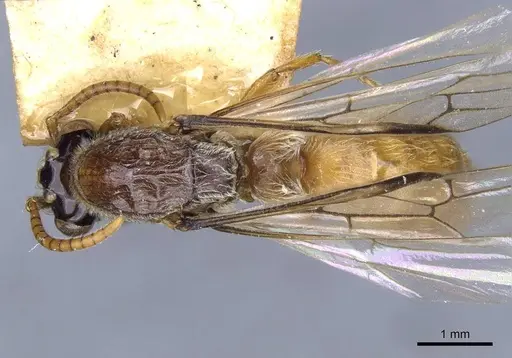
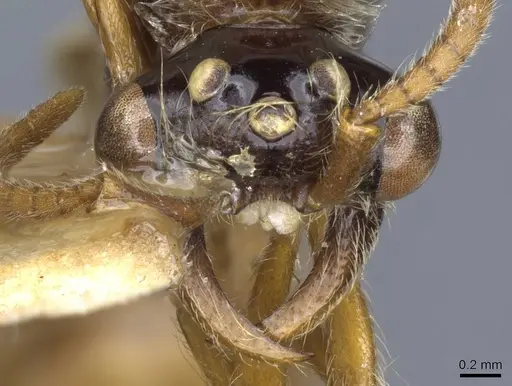
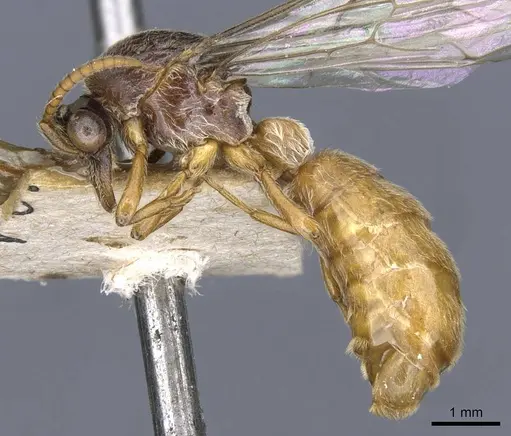
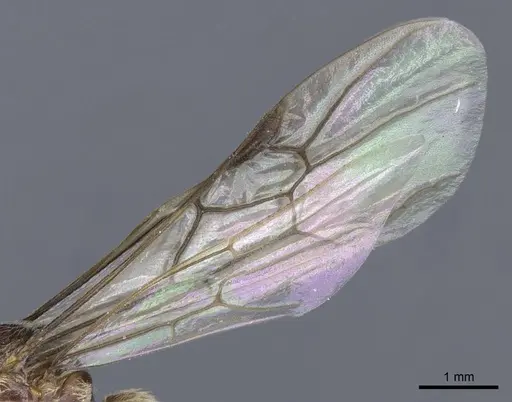
Littérature
Chargement de la carte de répartition...Chargement des produits...