
Tetramorium aegeum
- Nom. cient.
- Tetramorium aegeum
- Tribu
- Crematogastrini
- Subfamilia
- Myrmicinae
- Autor
- Radchenko, 1992
- Distribución
- Encontrado en 0 países
Introducción
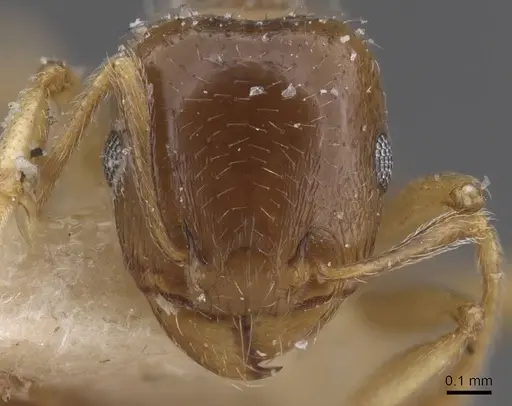
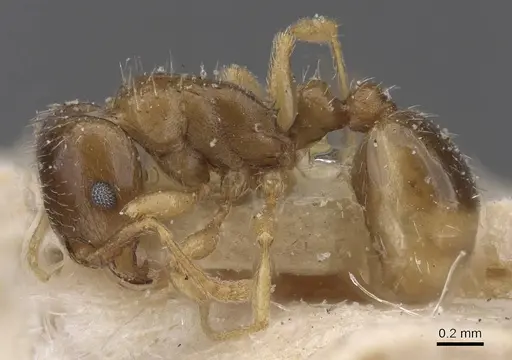
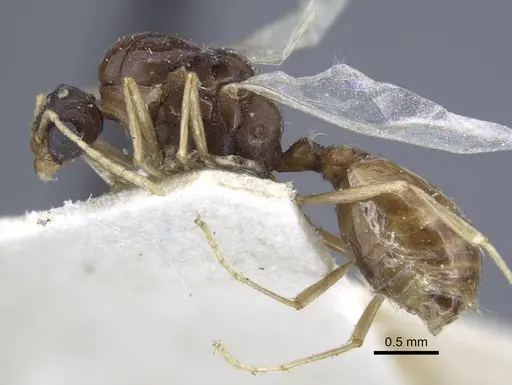
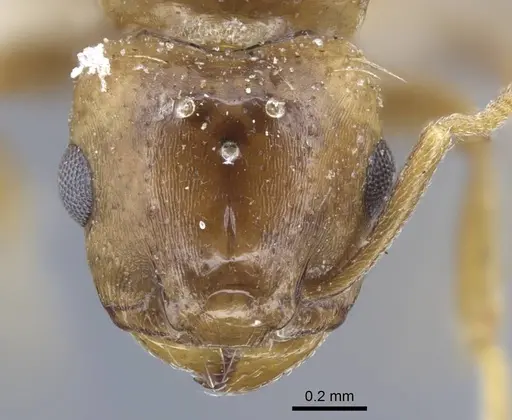
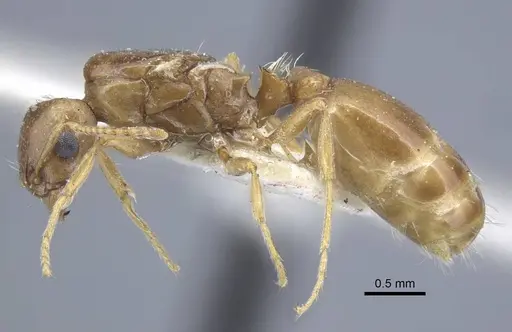
Tetramorium aegeum is a tiny yellow ant species belonging to the Tetramorium ferox species complex within the Tetramorium caespitum group . Workers are tiny - around 2.5-3 mm (inferred from genus patterns) - and pale yellow all over, with a slightly elongated head, large eyes, and a smooth, shiny body . The species is distinguished from close relatives by its uniquely imbricate (overlapping scale-like) first gastral tergite - a feature not found in other members of the ferox complex . Queens are slightly larger, around 3-3.5 mm (inferred from genus patterns), and share the yellow coloration and reduced sculpturing . This species has an extremely limited distribution, known only from the type locality in Azerbaijan (Pir-Sagat valley, collected in 1907) and one additional record in the Russian Federation . Its natural habitat is unknown, but related species in the ferox complex nest in dry to moderately damp ground in open or semi-shaded areas. What makes Tetramorium aegeum particularly interesting for antkeepers is its rarity and the fact that it remains one of the least studied Palaearctic Tetramorium species. Its close relatives are well-documented, but this species is known only from specimens collected over a century ago. For keepers, this means you'll need to rely on genus‑level estimates rather than species‑specific data - so care is a best guess, not a guarantee .
Quick Summary
- Difficulty: Medium
- Origin & Habitat: Native to the Palaearctic region, specifically Azerbaijan and the Russian Federation. The only known locality is the valley of Pir-Sagat (Baku district, Azerbaijan), where the type series was collected in May 1907 [1][2]. The natural habitat is undocumented, related species in the Tetramorium ferox complex typically inhabit dry to moderately damp ground, often in open or semi‑shaded areas.
- Colony Type: Unknown, no colony structure data exists. Based on genus patterns, likely monogyne (single queen), but this is unconfirmed.
- Size & Growth:
- Queen: ~3-3.5 mm (inferred from Tetramorium genus patterns), note that no direct body length measurements are available.
- Worker: ~2.5-3 mm (inferred from Tetramorium genus patterns), note that no direct body length measurements are available.
- Colony: Unknown, no colony size data exists for this species. Related Tetramorium species can reach several hundred to a few thousand workers, but this is speculative.
- Growth: Unknown, estimated Moderate based on genus patterns
- Development: Estimated 6-10 weeks at optimal temperature (20-24°C) based on typical Tetramorium development (Direct development data is unavailable. These estimates are from related species in the genus.)
- Antkeeping:
- Temperature: Aim for 20-24°C, standard for temperate Tetramorium species (inferred from genus patterns). Room temperature within this range works well. Avoid extremes below 15°C or above 30°C.
- Humidity: Moderate humidity. Keep the nest substrate lightly moist but not waterlogged. Allow some drying between waterings. These ants likely prefer conditions drier than tropical species but not as dry as desert ants (inferred from genus patterns).
- Diapause: Likely required, given its Palaearctic distribution, a winter dormancy period is expected. Provide 2-3 months at 5-10°C during winter (roughly November-February) (inferred from species range).
- Nesting: Y‑tong (AAC) nests with narrow chambers or test tube setups work well for these small ants. Provide compact, secure chambers scaled to their tiny size. Naturalistic setups with sandy soil are also suitable (inferred from genus patterns).
- Behavior: These ants are small and generally docile. Workers are active foragers that likely scavenge and collect honeydew, as typical for Tetramorium. They have a modified stinger used for smearing venom rather than piercing, they are not considered dangerous to humans. However, their tiny size (under 3 mm) makes escape prevention critical, they can squeeze through standard barriers. Use fine mesh and seal all connections [1].
- Common Issues: tiny size makes escape likely without proper barriers, use fine mesh and check all openings, no biological data exists, all care advice is inferred from genus patterns, growth rate and colony size are unknown, which may frustrate keepers expecting predictable development, winter dormancy is likely required but timing and duration are unconfirmed, limited availability, this is an extremely rare species in the hobby
Appearance and Identification
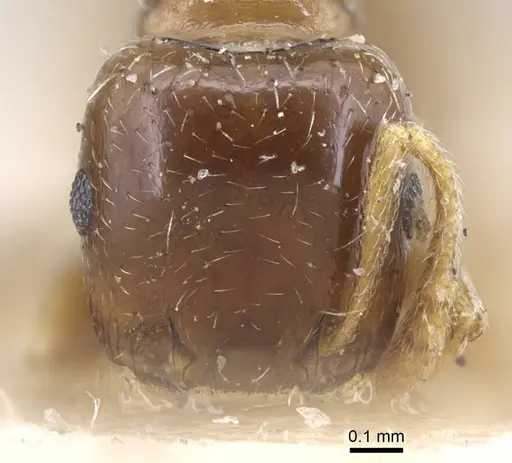
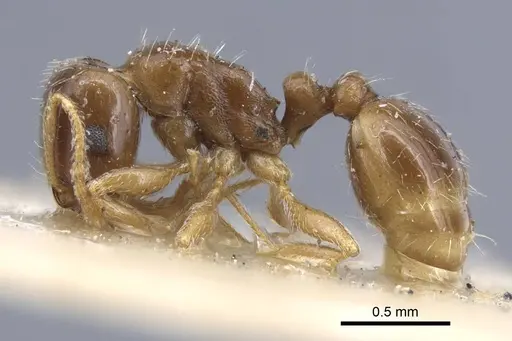
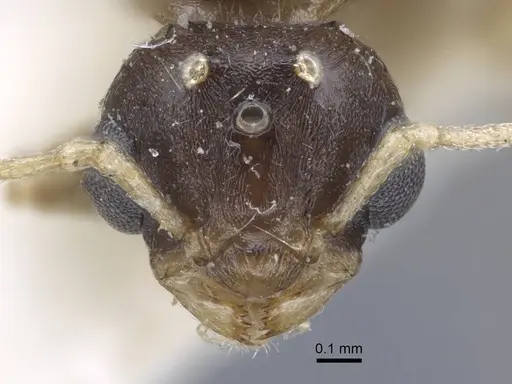
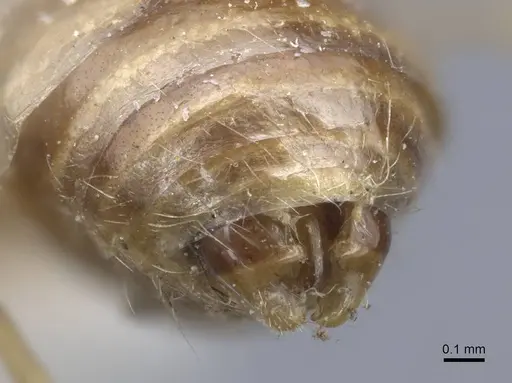
Tetramorium aegeum workers are among the smallest ants in the hobby, estimated size around 2.5-3 mm (inferred from genus patterns). They are uniformly pale yellow throughout their body and appendages, giving them a distinctive light appearance compared to the darker browns and blacks common in many Tetramorium species [1]. The head is slightly longer than broad, with notably large eyes [1]. The body surface is predominantly smooth and shiny, workers have a smooth head dorsum, mesosoma, and waist segments, while the first gastral tergite shows imbricate (overlapping scale-like) sculpture [1]. This imbricate first gastral tergite is the key feature that separates Tetramorium aegeum from its close relative Tetramorium diomedeum and from other species in the ferox complex [1]. Queens are larger (estimated 3-3.5 mm) and share the yellow coloration with similarly reduced sculpturing [1]. For keepers, the pale yellow color combined with the tiny size and smooth body surface are reliable field marks for identification [1].
Natural History and Distribution
Tetramorium aegeum has one of the most restricted known distributions of any Tetramorium species. It is documented only from the type locality in Azerbaijan's Baku region (Pir-Sagat valley), where the original specimens were collected in May 1907,and from a single additional record in the Russian Federation [1][2]. This extremely limited range makes it one of the rarest Palaearctic ant species in captivity.
Nothing is known about this species' biology in the wild. The type specimens were collected from a valley habitat, suggesting ground‑level nesting typical of the Tetramorium ferox complex [1]. Related species in this complex typically nest in soil or under stones in relatively open, often dry to moderately damp habitats. The May collection date suggests adult activity during spring and early summer [1]. For captive care, keepers should model conditions after other well‑studied Tetramorium species from similar climates, with the understanding that direct data is absent.
Housing and Nest Setup
Due to their tiny size, Tetramorium aegeum requires appropriately scaled housing. Y‑tong (AAC) nests with narrow chambers work well, the compact chambers help workers feel secure and make humidity control easier (inferred from genus patterns). Test tube setups are also suitable, but ensure the water reservoir is small enough to avoid flooding the colony.
For substrate, use a moderately compact mixture that holds some moisture but drains well, a blend of sand and soil works for this species group. Because workers are so small, escape prevention is critical. All connections between the outworld and nest area must be sealed with cotton or fine mesh, even tiny gaps around tubing can let them out. Provide a shallow water source in the outworld, and offer food on small surfaces where the yellow workers will be easily visible against a dark background.
Feeding and Diet
Like other Tetramorium species, Tetramorium aegeum likely accepts a standard ant diet of proteins and carbohydrates. Offer small protein sources appropriate to their tiny size: fruit flies, small mealworms cut into pieces, and other micro‑insects work well (inferred from genus patterns). Sugar water, honey diluted with water, or commercial ant gels provide necessary carbohydrates.
Feed small amounts 2-3 times per week, removing uneaten food promptly to prevent mold. Because workers are so small, even tiny prey items represent significant meals. Monitor feeding response, if food remains untouched after 24 hours, try different options. The pale workers are especially visible on dark feeding dishes, making it easy to observe foraging behaviour.
Temperature and Seasonal Care
Maintain temperatures in the 20-24°C range, standard for most temperate Tetramorium species (inferred from genus patterns). Room temperature often falls within this ideal range. Avoid temperatures below 15°C for extended periods or above 30°C, as both extremes can stress colonies.
Given its Palaearctic origin (Azerbaijan), this species likely requires a winter dormancy period. Provide 2-3 months during winter (roughly November-February in the Northern Hemisphere) at temperatures between 5-10°C. This can be achieved by moving the colony to an unheated garage, basement, or refrigerator during dormancy. Reduce feeding during this period and keep the nest slightly drier, do not feed during deep dormancy. Resume normal feeding and warming when temperatures rise in spring.
Colony Development and Growth
No direct data exists for Tetramorium aegeum colony development. Based on genus patterns, the queen likely founds claustrally, sealing herself in a chamber and raising the first brood alone on stored fat reserves (inferred from genus patterns). The first workers (nanitics) should emerge within 6-10 weeks under optimal conditions (20-24°C) (inferred from genus patterns).
Growth rate is expected to be moderate, faster than large Camponotus species but slower than some tropical ants. A well‑established colony might reach several hundred workers over 2-3 years under good care, but this is speculative. Patience is essential, as the tiny colony size makes progress appear slow. Avoid the temptation to overfeed, as excess food causes mold problems more dangerous to small colonies than mild hunger.
Frequently Asked Questions
How long does it take for Tetramorium aegeum to produce first workers?
Estimated 6-10 weeks from egg to first worker at optimal temperature (20-24°C). This is based on typical Tetramorium development patterns, no species‑specific data exists. The queen likely remains sealed in her founding chamber until nanitics emerge (inferred from genus patterns).
Are Tetramorium aegeum ants good for beginners?
Medium difficulty. They are not aggressive and stay compact, but the complete lack of biological data means keepers must rely on genus‑level estimates. Their tiny size also requires excellent escape prevention. Beginners may find the slow growth and uncertainty frustrating. Experienced keepers interested in rare species will have better success.
Do Tetramorium aegeum ants sting?
They have a modified stinger, but it is used for smearing venom rather than piercing. They are not considered dangerous to humans, any contact with venom is mild and unlikely to cause significant pain. Handle them with care to avoid stressing the colony.
What do Tetramorium aegeum ants eat?
Standard ant diet: small protein sources (fruit flies, tiny mealworms, micro‑crickets) 2-3 times weekly, and constant access to sugar sources (honey water, sugar water, or ant gel). Remove uneaten food within 24 hours to prevent mold.
Can I keep multiple Tetramorium aegeum queens together?
Not recommended and likely unnecessary. Colony structure is unconfirmed, but most Tetramorium species are monogyne (single queen). Combining unrelated queens has not been documented for this species and risks fatal aggression. Start with one mated queen for best results.
Do Tetramorium aegeum need hibernation?
Likely yes. Given their Palaearctic distribution (Azerbaijan), they probably require winter dormancy. Provide 2-3 months at 5-10°C during winter (roughly November-February). Reduce feeding and keep the nest slightly drier during this period.
How big do Tetramorium aegeum colonies get?
Unknown, no colony size data exists. Based on related species, expect several hundred to possibly a few thousand workers at maturity, but this is speculative. Growth is moderate and may take 2-3 years to establish a substantial colony.
Why are my Tetramorium aegeum escaping?
Their tiny size (under 3 mm) makes them excellent escape artists. Check all connections between nest and outworld, even tiny gaps around tubing can allow escape. Use cotton barriers, fine mesh on air holes, and ensure lid seals are tight. Inspect all joints regularly.
When should I move Tetramorium aegeum to a formicarium?
Wait until the colony has at least 50-100 workers before moving from a test tube to a larger formicarium. For Y‑tong nests, you can connect the test tube to the nest once workers actively explore. Moving too early stresses small colonies. Their tiny size means they do well in compact setups even at moderate colony sizes.
Where can I get Tetramorium aegeum ants?
This is an extremely rare species in the ant‑keeping hobby with very limited availability. It is not commonly available from commercial suppliers. Specialized ant keepers or rare species traders may occasionally have colonies. Expect to pay premium prices if available.
Report an Issue
The current care sheet is based fully on literature. See inconsistencies, or something that's incorrect? Please , it will be resolved after review from an admin. Contributing to the blogs tab also helps providing information, to make us be able to further improve the caresheets. Thank you for your support!
References

Esta ficha de cuidados está bajo licencia CC BY-SA 4.0 .
Blogs de la comunidad
CASENT0913984
Ver en AntWeb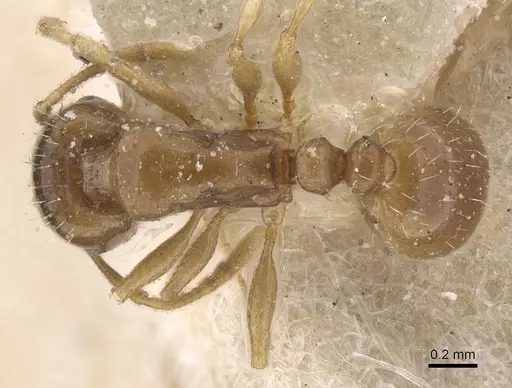
CASENT0917080
Ver en AntWeb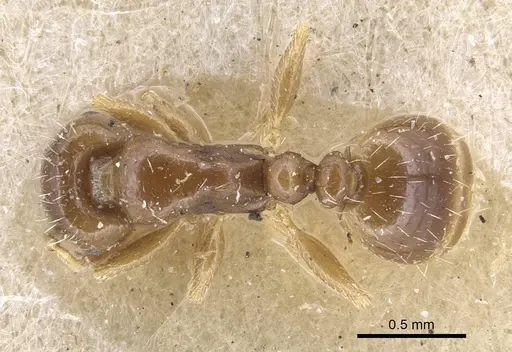
CASENT0917081
Ver en AntWeb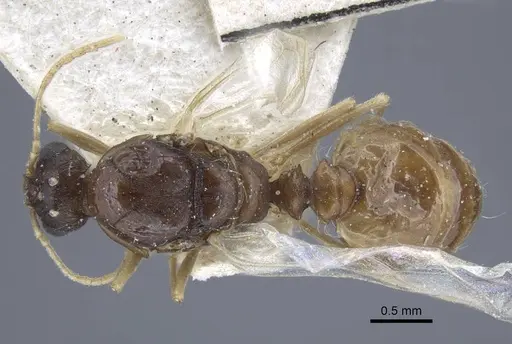
CASENT0917082
Ver en AntWeb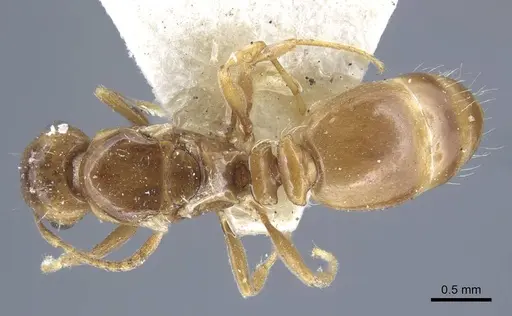
Literatura
Cargando mapa de distribución...Cargando productos...