
Temnothorax mexicanus
- Nom. cient.
- Temnothorax mexicanus
- Tribu
- Crematogastrini
- Subfamilia
- Myrmicinae
- Autor
- Mackay, 2000
- Distribución
- Encontrado en 0 países
Introducción
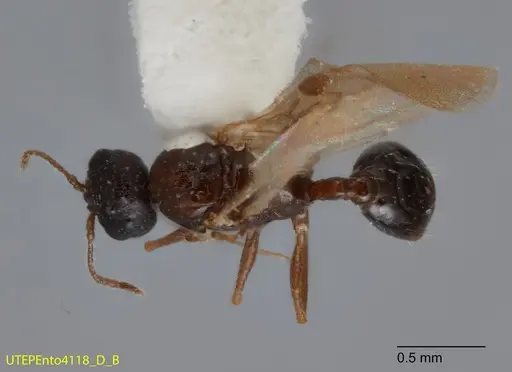
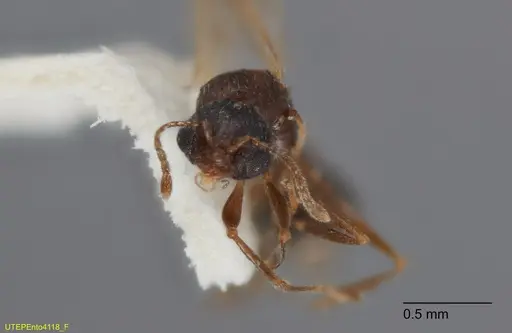
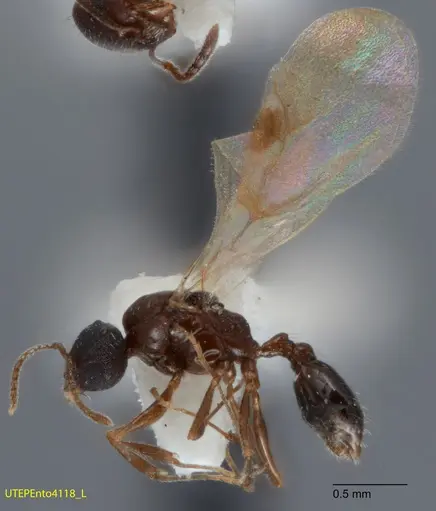
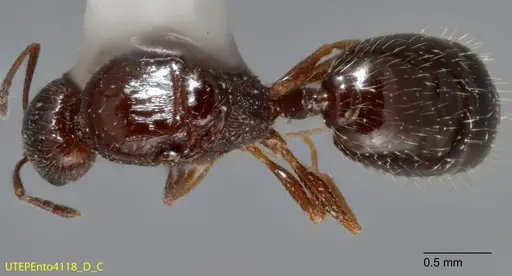
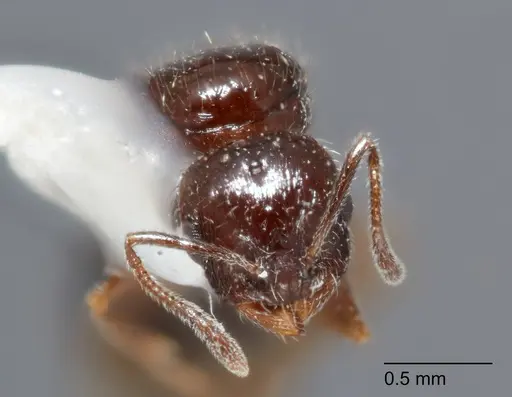
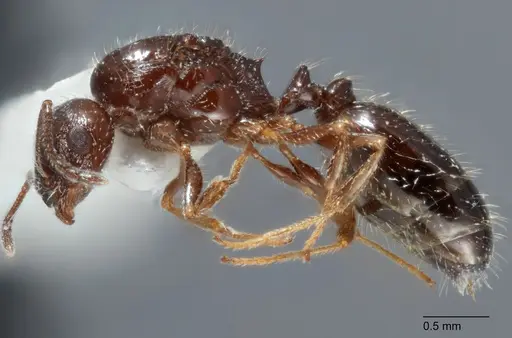
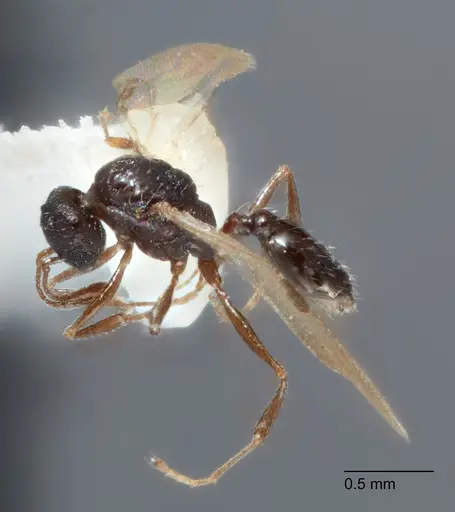
Temnothorax mexicanus is a tiny black ant native to northeastern Mexico. Workers are small, typical of the genus, with a smooth, strongly shining head and very short propodeal spines that look like simple bumps. The body is dark brown to black with a glossy finish. This species belongs to the sallei-clade of Temnothorax and is considered uncommon in the wild . In their natural habitat of pine forests and pinyon pine scrub in Coahuila and San Luis Potosí, they nest under rocks on rocky slopes .
Quick Summary
- Difficulty: Easy
- Origin & Habitat: Northeastern Mexico, specifically Coahuila and San Luis Potosí states, with records also from Tamaulipas. They live in pine forests and pinyon pine scrub habitats, typically nesting under rocks on rocky, clay soils [3][1][2].
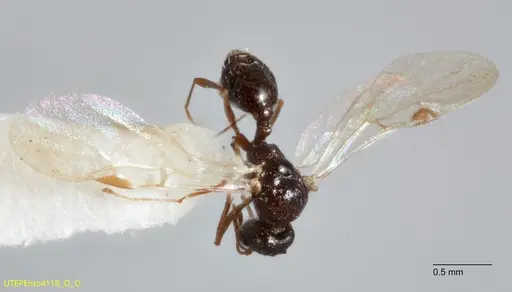
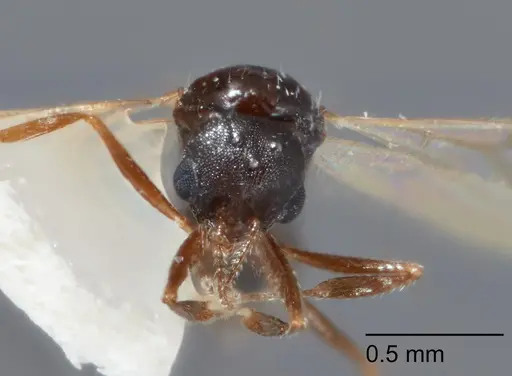
- Colony Type: Likely monogyne (single queen colonies), based on typical Temnothorax patterns. Queens are slightly larger than workers and have well-developed propodeal spines [2].
- Size & Growth:
- Queen: estimated ~3-4mm (inferred from genus)
- Worker: estimated ~2-3mm (inferred from genus)
- Colony: Up to 200 workers (estimated from genus patterns)
- Growth: Moderate
- Development: Estimated 6-10 weeks at optimal temperature (Development time is typical for small Myrmicinae ants, expect several weeks from egg to first nanitic worker)
- Antkeeping:
- Temperature: Keep around 20-24°C. They come from higher elevation pine forests in Mexico, so they prefer cooler conditions. A gentle temperature gradient with a slightly warmer side lets workers choose their preferred spot.
- Humidity: Keep the nest substrate slightly moist but not wet. These ants originate from dry pine forests with rocky soils, so avoid overhydration, a moist cotton reservoir is sufficient, with the outworld allowed to dry between refills.
- Diapause: Yes, being from a temperate/subtropical region with seasonal temperature changes, they benefit from a winter rest period of 2-3 months at 10-15°C. Reduce feeding and keep them in a cool location during this time.
- Nesting: In nature they nest under rocks in rocky clay soils. In captivity, test tube setups work well for founding colonies. Once established, Y-tong nests or small formicariums with tight chambers suit their tiny size. Avoid large open spaces, these ants do best in compact, snug quarters [2].
- Behavior: Temnothorax mexicanus is calm and non-aggressive. Workers are docile and forage individually or in small groups. Like other Crematogastrini, they have a modified stinger used to smear venom rather than sting, so they pose no real danger to keepers. Their tiny size makes escape prevention critical, they can slip through standard mesh barriers. They are relatively active foragers and may use tandem running to recruit nestmates.
- Common Issues: escape prevention is critical due to their very small size, use fine mesh barriers and tight-fitting lids, colonies stay small even at maturity, don't expect massive worker counts, dry conditions can be fatal, monitor substrate moisture carefully, wild-caught colonies may carry parasites that can devastate a captive colony, slow founding phase means patience is essential, queens may take months to raise first workers
Housing and Nest Setup
For founding colonies, a simple test tube setup works perfectly. Connect the tube to a small outworld container once the first workers emerge. Because of their tiny size, avoid large formicariums, they do best in nests with tight-fitting chambers scaled to their body size. Y-tong (AAC) nests or small acrylic setups with narrow tunnels are ideal. The nest chamber should be dark (cover with a red film or keep in a dark room) since these ants naturally nest under rocks [2]. A small water reservoir connected to the nest maintains humidity without flooding.
Feeding and Diet
Temnothorax mexicanus is omnivorous, like most Temnothorax. Offer sugar water or honey as a constant energy source. For protein, provide small prey items like fruit flies, pinhead crickets, or small mealworms. They will also scavenge dead insects. Feed small portions, these tiny ants don't need much. Remove uneaten prey after 24-48 hours to prevent mold. A varied diet helps promote healthy colony growth.
Temperature and Seasonal Care
Keep the nest area at 20-24°C. Being from higher elevation pine forests in northeastern Mexico, they prefer cooler temperatures than many tropical ant species. A heating cable on one side of the nest can create a temperature gradient, letting workers choose their preferred warmth. During winter, provide a diapause period of 2-3 months at 10-15°C. This mimics their natural seasonal cycle and helps maintain colony health long-term. Reduce feeding during hibernation but ensure a small water source is available.
Behavior and Colony Dynamics
This is a peaceful, docile species that does well in community settings. Workers are small but active foragers. They establish colonies under rocks in the wild, and in captivity they do best with minimal disturbance during the founding phase. Founding behavior is unconfirmed, but like many small myrmicines, the queen likely relies on stored reserves to raise the first brood. Colonies stay relatively small compared to many common ant species, typically reaching only a few hundred workers at maturity. This makes them manageable for keepers who want a compact colony [2].
Frequently Asked Questions
How long does it take for Temnothorax mexicanus to raise first workers?
Expect 6-10 weeks from egg to first worker at room temperature (around 21-24°C). The exact time depends on temperature and feeding. Some founding colonies may take longer, be patient during this critical phase.
Can I keep Temnothorax mexicanus in a test tube setup?
Yes, test tubes are ideal for this species, especially during colony founding. Use a small test tube with a cotton water reservoir. Once the colony reaches about 20 workers, you can connect it to a small outworld or upgrade to a Y-tong nest.
Do Temnothorax mexicanus ants sting?
No, they have a modified stinger used to smear venom rather than sting, so they are completely harmless and handleable. Their small size and docile nature make them suitable for beginners.
What temperature is best for Temnothorax mexicanus?
Keep them at 20-24°C. They prefer cooler conditions than tropical ants since they come from Mexican pine forests. A slight temperature gradient lets workers regulate their own warmth.
Do they need hibernation or diapause?
Yes, providing a winter rest period is beneficial. Keep them at 10-15°C for 2-3 months during winter. Reduce feeding during this period but ensure they have access to water. This mimics their natural seasonal cycle in the temperate regions of Mexico.
How big do Temnothorax mexicanus colonies get?
Colonies stay relatively small, typically reaching up to 200 workers at maturity. This is typical for the genus Temnothorax, they are small ants with compact colonies.
What do I feed Temnothorax mexicanus?
Offer sugar water or honey as a constant energy source. For protein, provide small insects like fruit flies, tiny crickets, or mealworms. Remove uneaten food after 24-48 hours to prevent mold. A varied diet with both sugar and protein sources promotes healthy colony growth.
Are Temnothorax mexicanus good for beginners?
Yes, this species is beginner-friendly due to their docile nature, small colony size, and straightforward care requirements. They are forgiving of minor mistakes and don't require specialized equipment. The main challenges are escape prevention due to their tiny size and patience during the slow founding phase.
When should I move my colony to a formicarium?
Wait until the colony has at least 20-30 workers and you see them actively using an outworld space. For Temnothorax, a Y-tong nest or small acrylic formicarium with narrow tunnels works best. Don't rush the upgrade, test tubes work fine for smaller colonies.
Why are my Temnothorax mexicanus dying?
Common causes include: too dry conditions (keep substrate slightly moist), escape through tiny gaps (use fine mesh), parasites from wild-caught colonies, or disturbance during founding (queens need peace and darkness). Check your humidity levels and ensure no small gaps exist in your setup.
Report an Issue
The current care sheet is based fully on literature. See inconsistencies, or something that's incorrect? Please , it will be resolved after review from an admin. Contributing to the blogs tab also helps providing information, to make us be able to further improve the caresheets. Thank you for your support!
References

Esta ficha de cuidados está bajo licencia CC BY-SA 4.0 .
Blogs de la comunidad
Literatura
Cargando mapa de distribución...Cargando productos...