
Temnothorax kashmirensis
- Nom. cient.
- Temnothorax kashmirensis
- Tribu
- Crematogastrini
- Subfamilia
- Myrmicinae
- Autor
- Bharti <i>et al.</i>, 2012
- Distribución
- Encontrado en 0 países
Introducción
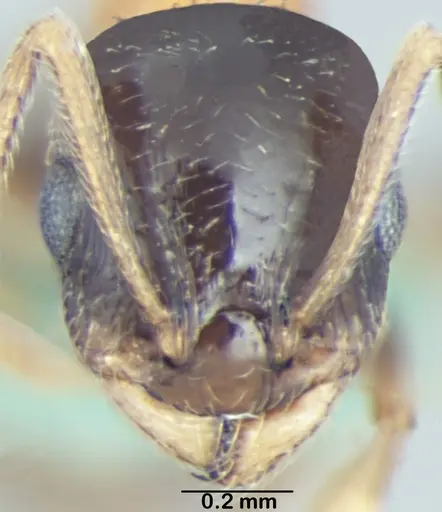
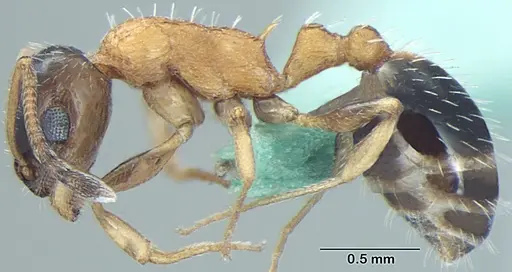
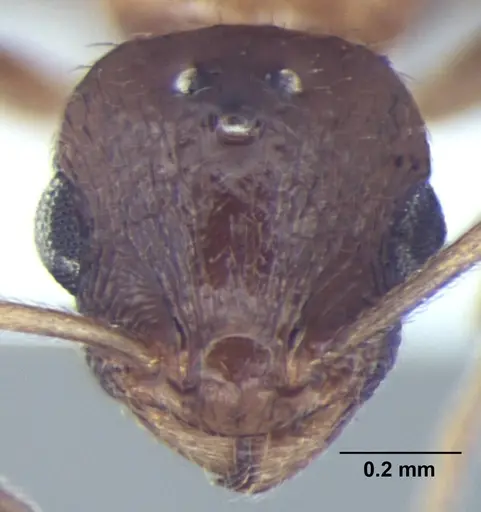
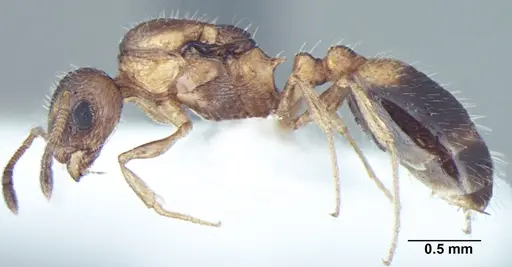
Temnothorax kashmirensis is a small, bicolored ant native to the high-altitude forests of the North-West Himalaya in India. Workers measure 2.5-3.3 mm, making them one of the smaller ant species kept in captivity . They get their name from their striking coloration: the head and gaster range from light to dark brown, while the mesosoma, petiole, and postpetiole are yellowish to reddish-yellow . This species is distinguished by its smooth head, coarsely sculptured mesosoma, and notably long propodeal spines that can be nearly as long as the distance between their bases . The species was officially described in 2012 and is endemic to the Kashmir and Himachal Pradesh regions of India . These ants inhabit moderately wet, well-lit coniferous forests at elevations around 2130 meters, where they nest primarily under stones . Their mountain habitat means they prefer cooler, more stable temperatures than many other ant species. In the antkeeping hobby, they are prized for their attractive bicolored appearance and manageable colony sizes, though they remain a relatively rare species in collections.
Quick Summary
- Difficulty: Medium
- Origin & Habitat: North-West Himalaya, Kashmir and Himachal Pradesh, India. Found at elevations around 2130m in moderately wet, lighted coniferous forests with scarce undergrowth [1][2].
- Colony Type: Colony structure is unconfirmed, limited research exists on wild colony organization for this species. Based on typical Temnothorax patterns, likely single-queen colonies.
- Size & Growth:
- Queen: 3.46 mm [1]
- Worker: 2.5-3.3 mm [1]
- Colony: Likely under 100 workers based on typical Temnothorax colony sizes, estimated
- Growth: Moderate, estimated based on genus patterns
- Development: 6-10 weeks, estimated based on typical Temnothorax development at room temperature (Development time is estimated as no specific studies exist for this species. Related Himalayan Temnothorax species suggest 6-10 weeks from egg to first worker at moderate temperatures.)
- Antkeeping:
- Temperature: Keep at 18-22°C, these mountain ants prefer cooler conditions than tropical species. Avoid overheating. Room temperature is often suitable. A slight temperature gradient allows workers to self-regulate.
- Humidity: Moderately humid, aim for 50-65% relative humidity. Their natural habitat is described as 'moderately wet' coniferous forest [1]. Keep the nest substrate lightly moist but not waterlogged.
- Diapause: Yes, likely required. As a Himalayan mountain species from around 2130m elevation [1], they likely need a winter rest period of 2-3 months at temperatures around 5-10°C. This mimics their natural seasonal cycle.
- Nesting: In nature they nest under stones in cool, shaded locations [1]. In captivity, they do well in Y-tong (AAC) nests, plaster nests, or test tube setups with a dark cover. They prefer narrow chambers scaled to their tiny size. Avoid overheating and excessive dryness.
- Behavior: These are peaceful, non-aggressive ants that form small colonies. Workers are small (2.5-3.3 mm [1]) and can squeeze through small gaps, escape prevention is important despite their small size. They have a modified stinger used for smearing venom rather than piercing, but they are not aggressive and pose no danger to keepers. They likely forage individually for small prey and honeydew, following typical Temnothorax foraging patterns.
- Common Issues: escape prevention is critical, their tiny size means they can squeeze through standard barrier gaps, overheating is a serious risk, they come from cool mountain habitats and can die in warm conditions, colonies are slow-growing by ant standards, beginners may lose patience and overfeed or disturb them, dry conditions will stress these ants, their natural habitat is moderately wet, winter diapause is likely required, skipping it may weaken or kill the colony over time
Housing and Nest Setup
Temnothorax kashmirensis is a tiny ant that needs appropriately scaled housing. In the wild, they nest under stones in cool, shaded coniferous forests at high elevation [1]. For captivity, Y-tong (AAC) nests work well because they provide dark, humid chambers that mimic the under-stone environment these ants naturally prefer. Plaster nests or test tube setups with a dark cover are also suitable.
The key is to provide chambers that are appropriately sized for their 2.5-3.3 mm workers [1], tight spaces help them feel secure. Avoid tall, open spaces that would be unnatural for a species that lives under flat stones. A small outworld connected to the nest is sufficient for foraging. Keep the entire setup away from direct sunlight and heat sources, as overheating is one of the biggest threats to this species.
Temperature and Seasonal Care
This is a cool-adapted mountain species from around 2130 m elevation in the Himalayas [1]. Unlike many ant species that thrive in warm conditions, Temnothorax kashmirensis prefers temperatures in the range of 18-22°C. Room temperature is often ideal for this species.
Avoid placing their nest near windows with direct sunlight, heating mats, or any heat source. They have evolved in an environment where temperatures remain moderate year-round. Signs of overheating include workers clustering away from the heat source, unusual lethargy, or brood death.
During winter, these ants likely require a diapause (winter rest) period of 2-3 months at temperatures around 5-10°C. This mimics their natural seasonal cycle in the Himalayan mountains. Reduce feeding during this period and keep them in a cool, unheated room or garage.
Feeding and Diet
Based on typical Temnothorax feeding behavior, these ants are omnivorous and will accept small protein sources and sugar. In captivity, you can feed them small insects like fruit flies, pinhead crickets, or small mealworms. Since workers are only 2.5-3.3 mm [1], prey items should be appropriately sized, very small insects or pieces of insects work best.
For sugar, offer diluted honey water, sugar water, or small drops of honey. They may also tend aphids if present in their setup. Feed them small amounts of protein 2-3 times per week, removing any uneaten prey after 24 hours to prevent mold. A constant sugar source should be available.
Humidity and Water
The natural habitat of Temnothorax kashmirensis is described as 'moderately wet' coniferous forests in the Kashmir Himalaya [1]. This means they need more humidity than typical household air provides, but not the tropical rainforest conditions some ant species require.
Aim for relative humidity around 50-65% in the room, and keep the nest substrate lightly moist. In test tube setups, ensure the water reservoir is appropriately sized, not so large that the nest becomes waterlogged, but enough to maintain humidity. In Y-tong or plaster nests, check the substrate moisture regularly and rehydrate when it begins to dry. A small water tube or cotton ball with fresh water should always be available in the outworld.
Colony Development and Growth
Temnothorax colonies typically grow more slowly than many common ant species. Based on typical genus development patterns, you can expect 6-10 weeks from egg to first worker (nanitic) at optimal temperatures around 20°C. The queen is 3.46 mm [1] and should be capable of producing workers relatively quickly after founding.
Colony size likely remains modest, probably under 100 workers in mature colonies. This is typical for the genus. Growth can be slow by ant standards, so patience is key. Avoid the temptation to overfeed or disturb the colony frequently. Once workers emerge, the colony will gradually grow as the queen continues laying eggs. Focus on consistent, moderate care rather than trying to speed up development.
Escape Prevention
With workers measuring only 2.5-3.3 mm, escape prevention is critical for this species [1]. These tiny ants can squeeze through gaps that would hold back larger species. Use fine mesh on any ventilation holes, ensure all connections between the nest and outworld are tight-fitting, and consider using Fluon or another barrier on the edges of the outworld.
Regularly check for escapes, especially in the first few weeks after setting up the colony. Even small gaps around tubing connections can allow these tiny ants to slip through. A well-sealed setup is essential for successful keeping.
Winter Care and Diapause
As a Himalayan mountain species from 2130 m elevation, Temnothorax kashmirensis almost certainly requires a winter diapause period [1]. In their natural habitat, temperatures drop significantly during winter, and the colony would become dormant.
In captivity, provide a diapause period of 2-3 months during winter (typically November-February in the Northern Hemisphere). Reduce temperatures to around 5-10°C, a cold unheated room, garage, or basement works well. Reduce feeding during this period since the colony will be less active. Do not feed them during deep diapause. Return them to normal temperatures gradually in spring.
Frequently Asked Questions
How long does it take for Temnothorax kashmirensis to have first workers?
Based on typical Temnothorax development, expect 6-10 weeks from egg to first worker at room temperature (around 20°C). This is an estimate as no specific development studies exist for this species.
What temperature do Temnothorax kashmirensis ants need?
Keep them at 18-22°C. These are cool-adapted mountain ants from around 2130 m elevation in the Himalayas [1], they do not tolerate heat well. Room temperature is often ideal.
Are Temnothorax kashmirensis good for beginners?
They are rated as medium difficulty. While their small size and specific temperature needs require attention, they are peaceful and manageable once you understand their requirements. The main challenges are escape prevention and keeping them cool.
Do Temnothorax kashmirensis ants sting?
They have a stinger, but it is modified for smearing venom rather than piercing. They are not aggressive and pose no danger to keepers.
How big do Temnothorax kashmirensis colonies get?
Based on typical Temnothorax colony sizes, they likely reach under 100 workers in mature colonies. This is a small, modest-growing species.
Do Temnothorax kashmirensis need hibernation?
Yes, a winter diapause is likely required. As a Himalayan mountain species from 2130 m elevation [1], they need 2-3 months at cool temperatures (5-10°C) during winter to maintain their natural cycle.
What do Temnothorax kashmirensis eat?
They accept small protein sources (tiny insects like fruit flies, small mealworms) and sugar sources (honey water, sugar water). Prey should be appropriately sized for their tiny 2.5-3.3 mm workers [1].
Can I keep Temnothorax kashmirensis in a test tube?
Yes, test tubes work well for founding colonies and small colonies. Use a dark cover to mimic their natural under-stone nesting environment. Ensure proper humidity and escape prevention.
Where is Temnothorax kashmirensis found?
This species is endemic to the North-West Himalaya region of India, specifically Kashmir and Himachal Pradesh. The type locality is Dara, Kashmir at 2130 m elevation [1][2].
Why is my Temnothorax kashmirensis colony dying?
The most common causes are overheating (they need cool temperatures), excessive dryness (they need moderately humid conditions), or improper diapause. Check that temperatures stay below 22°C, the nest has adequate moisture, and provide winter diapause if the colony is established.
Report an Issue
The current care sheet is based fully on literature. See inconsistencies, or something that's incorrect? Please , it will be resolved after review from an admin. Contributing to the blogs tab also helps providing information, to make us be able to further improve the caresheets. Thank you for your support!
References

Esta ficha de cuidados está bajo licencia CC BY-SA 4.0 .
Blogs de la comunidad
ANTWEB1008015
Ver en AntWeb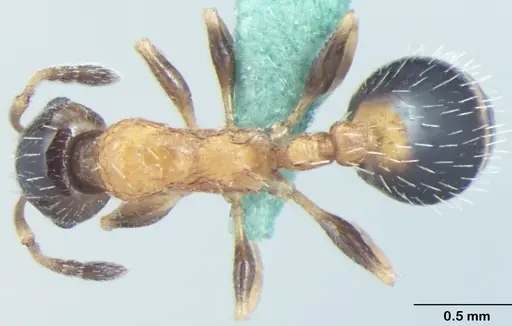
ANTWEB1008016
Ver en AntWeb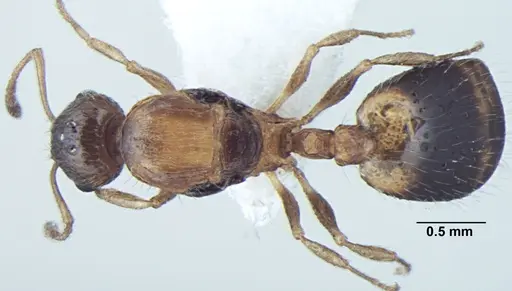
Literatura
Cargando mapa de distribución...Cargando productos...