
Technomyrmex wheeleri
- Nom. cient.
- Technomyrmex wheeleri
- Tribu
- Tapinomini
- Subfamilia
- Dolichoderinae
- Autor
- Emery, 1913
- Distribución
- Encontrado en 0 países
Introducción
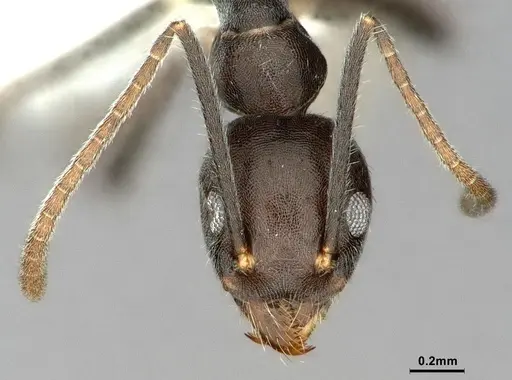
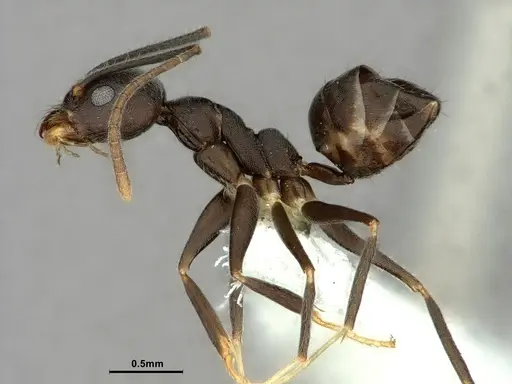
Technomyrmex wheeleri is a small Dolichoderinae ant native to Southeast Asia, found across Thailand, Malaysia, Brunei, the Philippines, and Borneo . Workers measure 2.9-3.3 mm and are medium brown to black, but two color forms exist: a dark form (entirely reddish to dark brown) and a pale form with a yellowish body and black gaster . This species is closely related to Technomyrmex grandis but is smaller with sparser, shorter body hairs . Unlike most ants that nest in soil or rotting wood, Technomyrmex wheeleri builds distinctive carton nests, papery structures made from plant fibers and wax, attached to tree leaves in tropical forests and fruit orchards .
Quick Summary
- Difficulty: Medium
- Origin & Habitat: Southeast Asia (Thailand, Malaysia, Brunei Darussalam, Philippines), found in primary forests (swamp, evergreen, mixed deciduous) and fruit orchards like mangosteen plantations [1][2]
- Colony Type: Unconfirmed, no published data on colony structure. Colonies are founded by a single queen, but it is unknown if they remain monogyne or become polygyne later [1]
- Size & Growth:
- Queen: 3.70-3.76 mm [1]
- Worker: 2.90-3.30 mm [1]
- Colony: Unknown, likely moderate, up to a few hundred workers based on related Technomyrmex species
- Growth: Moderate, inferred from tropical species patterns
- Development: 6-8 weeks (estimated based on typical Dolichoderinae development at 24-28°C) (Development time is estimated, no specific study exists for this species. Tropical species typically develop faster than temperate ones.)
- Antkeeping:
- Temperature: Keep at 24-28°C, they are a tropical species from warm, humid forests [1]. A gentle gradient is recommended.
- Humidity: High humidity (70-85%), they naturally live in rainforest environments. Provide moist substrate but ensure ventilation to prevent mold.
- Diapause: No, as a tropical species, they do not require hibernation. Keep temperatures stable year-round.
- Nesting: This species builds carton nests on tree leaves in the wild, they will likely accept a naturalistic setup with vertical surfaces such as Y-tong (AAC) or plaster formicariums. They may prefer rough surfaces that allow them to attach their carton structures. Avoid dry, sandy substrates.
- Behavior: Technomyrmex wheeleri is generally non-aggressive and forages quietly. Like other Dolichoderinae, they do not have a stinger but exude sticky, foul-smelling compounds from an anal gland to deter predators. Workers are small (around 3 mm) so escape prevention should be moderate, they can fit through small gaps but are not extreme escape artists. They likely forage for honeydew and small insects in the canopy layer.
- Common Issues: tropical species requires warm, stable temperatures, below 24°C may slow growth significantly, carton-nesting preference means they may not accept typical soil nests, provide vertical surfaces with rough texture, small colony size initially makes them vulnerable to stress, avoid disturbing founding colonies, high humidity needs can lead to mold problems if ventilation is poor, limited availability in the antkeeping hobby means captive-bred colonies are rare
Housing and Nest Preferences
Technomyrmex wheeleri presents unique housing challenges because of their unusual carton-nesting behavior in the wild. In nature, colonies build papery carton nests attached to tree leaves using plant fibers, wax, and ant secretions [1]. This means they may not accept conventional test tube setups or soil formicariums. Instead, consider a naturalistic vivarium setup with live or artificial plants where they can build their characteristic carton structures. Alternatively, a formicarium made of Y-tong (AAC) or plaster with a rough surface (which they can grip and build on) may work better than smooth glass or acrylic. Provide plenty of vertical space and humidity. If using a test tube for founding, be prepared to move them to a more naturalistic setup once workers emerge.
Feeding and Diet
Like other Technomyrmex species, these ants are likely omnivorous with a preference for honeydew from sap-sucking insects and small prey. In captivity, offer a mix of sugar sources (honey water, sugar water) and protein (small insects like fruit flies, pinhead crickets, mealworms). Given their small worker size (around 3 mm), prey items should be appropriately sized, tiny insects are better than large ones. They may also accept protein jelly or commercial ant foods. Feed small amounts initially and remove uneaten food within 24-48 hours to prevent mold in the humid environment they require.
Temperature and Climate Control
As a tropical species from Southeast Asia, Technomyrmex wheeleri requires warm temperatures between 24-28°C [1]. Room temperature (around 20-22°C) may be too cool and could slow colony growth significantly. Use a heating cable or mat on one side of the nest to create a gentle temperature gradient, but avoid direct heat that could dry out the nest. Place the heating element on top of the nest rather than underneath to prevent excessive evaporation. These ants come from humid tropical forests, so temperature stability matters more than dramatic gradients. Avoid cold drafts and keep them away from air conditioning vents.
Humidity Management
Technomyrmex wheeleri requires high humidity (70-85%) to match their natural rainforest habitat [1]. However, this creates a challenge: you need enough moisture for the ants but enough ventilation to prevent mold growth. Use a moisture reservoir (like a water tube) connected to the nest chamber, and monitor substrate dampness rather than following a fixed misting schedule. The substrate should feel consistently damp but never waterlogged. Good ventilation is essential, stagnant, overly humid air leads to mold that can kill colonies. If you see condensation constantly pooling on nest walls, increase airflow. A naturalistic setup with live plants can help regulate humidity naturally through transpiration.
Behavior and Defense
As a Dolichoderinae ant, Technomyrmex wheeleri does not have a functional stinger. Instead, they defend themselves by exuding sticky, foul-smelling compounds from an anal gland. This means they are not dangerous to humans but can be irritating if the secretion gets in eyes. Their workers are small (around 3 mm) and generally non-aggressive, preferring to flee rather than fight. They are likely quiet foragers that search for honeydew and small prey. Their escape risk is moderate, they can fit through small gaps but are not known as particularly escape-prone. Use standard barrier methods (fluon on smooth surfaces, tight-fitting lids) but you do not need extreme escape prevention like you would for tiny species like Pheidole.
Colony Development and Growth
Queen size is 3.70-3.76 mm, making them only slightly larger than workers [1]. This suggests the founding colony may develop relatively quickly once workers emerge, as the queen doesn't need to produce as many nanitics before the colony becomes self-sustaining. However, no specific development timeline exists for this species. Based on typical Dolichoderinae patterns at optimal temperatures (24-28°C), expect 6-8 weeks from egg to first worker. Growth rate is likely moderate, faster than slow-growing Camponotus but slower than fast-growing invasive species like Tapinoma. Be patient with founding colonies, they are vulnerable to stress and over-handling during the founding period.
Seasonal Care
Unlike temperate ant species, Technomyrmex wheeleri does not require hibernation or diapause. They come from a tropical climate where temperatures remain warm year-round [1]. Keep their setup at consistent temperatures (24-28°C) throughout the year. Seasonal changes in the keeper's home (cooler winters, warmer summers) should be compensated with heating during winter months. Do not reduce feeding or lower temperatures in winter, this could stress the colony. If your room temperature drops below 22°C in winter, provide supplemental heating.
Frequently Asked Questions
How long does it take for Technomyrmex wheeleri to have first workers?
The exact timeline is unconfirmed for this species, but based on typical Dolichoderinae development at optimal temperatures (24-28°C), expect 6-8 weeks from egg to first worker. Factors like temperature, feeding, and queen health can speed up or slow down development.
What do Technomyrmex wheeleri ants eat?
They are omnivorous. Offer sugar sources (honey water, sugar water) and small protein prey (fruit flies, tiny crickets, mealworms). Given their small worker size (around 3 mm), keep prey items appropriately small. They likely also collect honeydew in the wild.
Can I keep Technomyrmex wheeleri in a test tube?
Test tubes may work for founding, but this species naturally builds carton nests on tree leaves, so they may not thrive in conventional test tube setups long-term. Consider transitioning them to a naturalistic or plaster/Y-tong nest with vertical surfaces once the colony grows.
What temperature do Technomyrmex wheeleri need?
Keep them at 24-28°C. This tropical species requires warm, stable temperatures. Below 24°C, colony growth may slow significantly. Use a heating cable or mat if your room temperature is below this range.
Do Technomyrmex wheeleri need hibernation?
No. As a tropical species from Southeast Asia, they do not require hibernation or diapause. Keep temperatures stable year-round and avoid letting them get too cool in winter.
How big do Technomyrmex wheeleri colonies get?
The maximum colony size is not documented, but based on related Technomyrmex species, colonies likely reach a few hundred workers. They are not among the largest ant species.
Are Technomyrmex wheeleri good for beginners?
This species is rated as medium difficulty. They have specific humidity and temperature requirements (tropical, high humidity) and unusual carton-nesting behavior that may require specialized setups. They are not the best choice for complete beginners, but experienced antkeepers should find them manageable.
Why is my Technomyrmex wheeleri colony dying?
Common causes include: temperatures below 24°C (tropical species need warmth), low humidity (they need 70-85%), poor ventilation leading to mold, or stress from over-handling. Check your setup parameters first. Also ensure food is appropriately sized for their tiny workers.
When should I move Technomyrmex wheeleri to a formicarium?
Wait until the colony has at least 20-30 workers and the founding chamber is becoming crowded. This species may prefer naturalistic setups with plant material or rough-surfaced formicariums (Y-tong or plaster) over traditional soil setups.
What makes Technomyrmex wheeleri different from other ants?
Unlike most ants that nest in soil or rotting wood, Technomyrmex wheeleri builds distinctive carton nests attached to tree leaves, a unique behavior in the antkeeping hobby. They also have two color forms (dark and pale) and are closely related to Technomyrmex grandis but smaller with sparser body hairs [1].
Report an Issue
The current care sheet is based fully on literature. See inconsistencies, or something that's incorrect? Please , it will be resolved after review from an admin. Contributing to the blogs tab also helps providing information, to make us be able to further improve the caresheets. Thank you for your support!
References

Esta ficha de cuidados está bajo licencia CC BY-SA 4.0 .
Blogs de la comunidad
CASENT0886062
Ver en AntWeb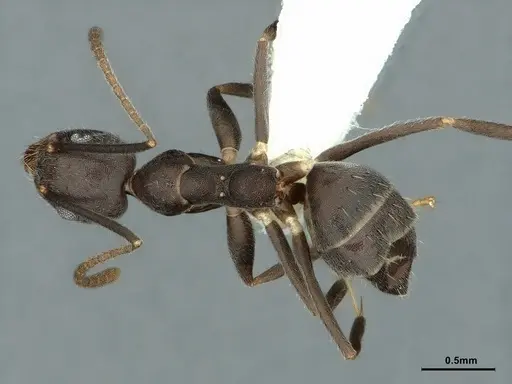
Literatura
Cargando mapa de distribución...Cargando productos...