
Tapinoma yacoubi
- Nom. cient.
- Tapinoma yacoubi
- Tribu
- Tapinomini
- Subfamilia
- Dolichoderinae
- Autor
- Sharaf, 2022
- Distribución
- Encontrado en 0 países
Introducción
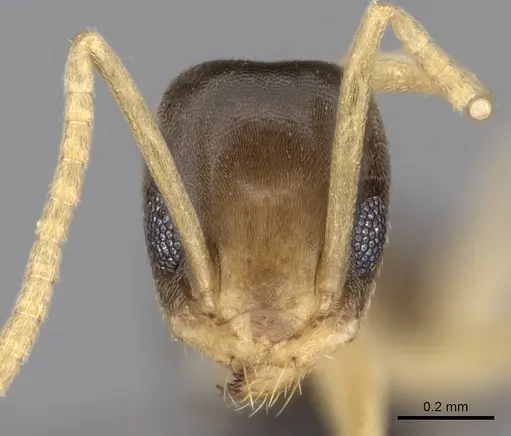
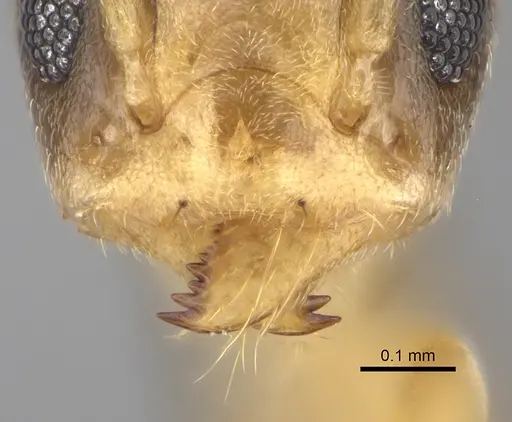
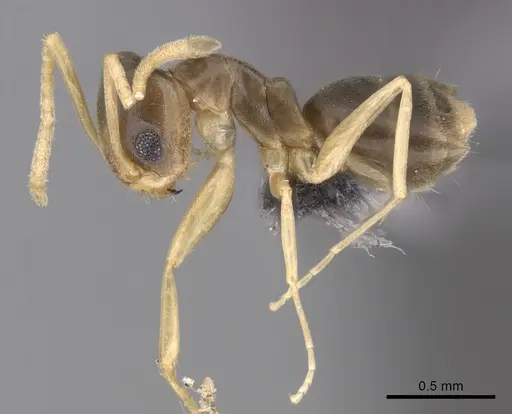
Tapinoma yacoubi is a newly described ant species from Saudi Arabia, discovered in 2022 in the Baljurashi Forest at 1930m elevation . Workers are tiny at just 2.15-2.18mm total length, making them one of the smaller ant species you'll encounter . Their body is mostly brown, but they have a striking color pattern with the front of the head (clypeus, mandibles, antennae), the fourth abdominal segment, and all legs being clear yellow . The body surface is smooth and shiny, and they have notably large eyes that make up a good portion of their head . This species was named to honor Sir Magdi Yacoub, the renowned Egyptian heart surgeon . What makes T. yacoubi special is its extreme rarity - it has only been collected once despite extensive surveys in the region, suggesting it may be a specialized forest dweller with very specific habitat requirements . It lives in an unusual montane environment for the region, at a high elevation where temperatures swing dramatically between 2°C in winter and 32°C in summer . The forest has water streams during the rainy season and consistently damp soil, giving you a good idea of the conditions they prefer .
Quick Summary
- Difficulty: Hard
- Origin & Habitat: Baljurashi Forest, Al Baha Province, Saudi Arabia at 1930m elevation, an Acacia/Juniper woodland with seasonal water streams and consistently damp soil [1][2]
- Colony Type: Unconfirmed, colony structure has not been documented. Only workers have been described, and no colony samples exist [1].
- Size & Growth:
- Queen: Unknown, only workers have been described [1]
- Worker: 2.15-2.18mm total length [1][2]
- Colony: Unknown, no colony data exists [1]
- Growth: Unknown, no development data exists for this species
- Development: Unknown, estimated 4-6 weeks based on typical Tapinoma genus patterns at warm temperatures (No direct development data exists. Estimates based on related Tapinoma species suggest relatively fast development in warm conditions.)
- Antkeeping:
- Temperature: Keep at 22-28°C for active growth, they experience 2-32°C in their native habitat so they tolerate a wide range. A heating cable on one side of the nest creates a useful gradient [1].
- Humidity: Moderate to high, their forest habitat has consistently damp soil and seasonal water nearby. Keep the nest substrate moist but not waterlogged, with some drier areas available [1].
- Diapause: Likely, they experience winter temperatures as low as 2°C in their habitat. Cool to around 15°C for 2-3 months to simulate natural conditions. However, this is inferred and unconfirmed [1].
- Nesting: Based on their collection from leaf litter, they likely prefer naturalistic setups with moist substrate and a leaf litter layer. Test tubes work for founding colonies, but a naturalistic or plaster nest with good moisture retention is best for established colonies. Because they were collected by sifting leaf litter next to Acacia trees, a soil-based nest with leaf litter and consistent moisture mimics their natural home [1][2].
- Behavior: These ants are tiny and very fast-moving. As Dolichoderinae, they lack a functional stinger, they defend themselves by exuding sticky, foul-smelling chemical secretions from anal glands (cyclopentanoid monoterpenes). They have large eyes [1][2] and will likely form trails to food sources. They are probably nocturnal or crepuscular foragers. Escape prevention is critical due to their very small size, they can squeeze through gaps that larger ants cannot. They are likely not aggressive but may emit chemical secretions when threatened.
- Common Issues: tiny size means escapes are likely without fine mesh barriers., newly described species means care information is largely estimated from genus patterns., no established feeding data, start with sugar water and small live prey., humidity needs are inferred from habitat and may need adjustment based on colony behavior., limited availability, this species is rarely available in the antkeeping hobby., queen has never been described, so founding success is uncertain., extremely rare in the wild, only one collection event ever recorded, so ethical collecting concerns exist.
Housing and Nest Setup
For this tiny species, you'll need excellent escape prevention. Test tubes work well for founding colonies, use a cotton ball to separate the water reservoir from the nesting area, and cover any openings with fine mesh (nylon stocking material works better than standard mesh for ants this small). For established colonies, a naturalistic setup with moist substrate mirrors their natural leaf litter habitat. Plaster nests also work well if you keep them consistently moist. The key is providing a moisture gradient, some damp areas and some drier areas so the ants can choose. A small outworld area connected to the nest allows for foraging. Because they are so small, even the gap between a tube and its stopper can be an escape route, use fluon or similar barriers on any surfaces they might walk on. The species was collected from sifting leaf litter next to Acacia trees, so adding a leaf litter layer may be beneficial [1][2].
Feeding and Diet
No specific feeding observations exist for T. yacoubi, but related Tapinoma species are omnivorous with a preference for honeydew and small insects. Start with sugar water (1:3 sugar to water ratio) offered on a cotton ball or small dish, this is easy to digest and encourages foraging. For protein, offer tiny live prey like fruit flies, springtails, or small mealworm pieces. Because of their tiny size, even small prey items are substantial to them. Feed every 2-3 days, removing any uneaten sugar water after 48 hours to prevent mold. Observe your colony's preferences, some Tapinoma readily accept sugar while others focus on protein. If they ignore sugar initially, try honey or diluted maple syrup [3].
Temperature and Seasonal Care
Based on their native habitat, T. yacoubi experiences extreme temperature variation, from 2°C in winter to 32°C in summer [1]. This suggests they can tolerate a wide range but prefer warmer conditions for activity and brood development. Keep the nest at 22-28°C for normal colony function. During winter, allow temperatures to drop to around 15°C for 2-3 months to simulate their natural seasonal cycle, this likely triggers reproductive cycles and helps maintain colony health. Avoid sudden temperature changes, gradual shifts are better. A heating cable placed on one side of the nest creates a temperature gradient that lets ants regulate their own body temperature by moving between warmer and cooler areas [1].
Behavior and Temperament
As with most Tapinoma, these ants are likely fast-moving and somewhat nervous rather than aggressive. They probably form foraging trails to honeydew sources and may tend aphids if available in their setup. Their large eyes (11 ommatidia in the longest row) suggest they may rely more on vision than some other ant species [1][2]. When threatened, Dolichoderinae ants like Tapinoma exude sticky, foul-smelling chemical secretions (cyclopentanoid monoterpenes) from anal glands rather than stinging, this is harmless to humans but can be irritating to other insects. They are tiny but quick, and their small size lets them access food sources larger ants cannot reach. Expect them to be more active during cooler parts of the day or at night, matching their natural forest floor activity patterns. Their body surface is unsculptured and shining [1][2].
Colony Establishment
Since this is a newly described species and the queen has never been documented, founding colonies are almost impossible to obtain from the wild. If you somehow acquire a queen, founding behavior is unconfirmed, do not assume she is claustral or semi-claustral. Provide a small test tube setup with clean water in the reservoir, and keep it in darkness at 24-26°C during founding. Do not disturb the founding chamber, queens of unknown founding type are sensitive to stress and may abandon or eat their brood. First worker development time is unknown. Once workers emerge, you can begin offering tiny amounts of sugar water and small prey. Given the extreme rarity of this species, special care should be taken to avoid escapes [1].
Frequently Asked Questions
How long does it take for Tapinoma yacoubi to produce first workers?
No specific development data exists for this species. Based on typical Tapinoma genus patterns, expect 4-6 weeks from egg to first worker at optimal temperatures (around 24-26°C). However, this is speculative since queen and development are unknown [1].
Can I keep Tapinoma yacoubi in a test tube?
Yes, test tubes work well for founding colonies. Use fine mesh to cover any openings, these tiny ants can squeeze through standard mesh. Keep the water reservoir filled with clean water and replace it every few weeks to prevent mold and bacterial growth.
What temperature do Tapinoma yacoubi need?
Keep them at 22-28°C for normal activity. They can tolerate a wider range given their native habitat swings from 2°C to 32°C, but avoid extremes. A heating cable on one side of the nest creates a useful gradient [1].
Are Tapinoma yacoubi good for beginners?
This species is rated Hard due to virtually unknown biology (queen never described), extreme rarity in the wild, and no established captive breeding history. It is not recommended for beginners. Even experienced keepers will face challenges with unknown founding and colony requirements.
How big do Tapinoma yacoubi colonies get?
Colony size is unknown, no colony samples have been studied. Based on their tiny worker size and related Tapinoma species, colonies probably reach a few hundred workers at most. They may be smaller colonies compared to more common ant species.
Do Tapinoma yacoubi need hibernation?
Likely yes, their native habitat experiences 2°C winter temperatures, suggesting they need a winter rest period. Reduce temperatures to around 15°C for 2-3 months during winter. This likely triggers reproductive cycles and helps maintain natural colony rhythms [1].
What do Tapinoma yacoubi eat?
Based on related species, they are omnivorous. Offer sugar water, honey, or maple syrup for carbohydrates. For protein, provide tiny live prey like fruit flies, springtails, or small mealworm pieces. Start with sugar water since it is easiest to digest and monitor acceptance [3].
Why are my Tapinoma yacoubi escaping?
Their tiny size (just over 2mm) means they can squeeze through incredibly small gaps. Use fine mesh (nylon stocking material works), apply fluon barriers to container rims, and check all connections and lids carefully. Even the gap under a test tube stopper can be an escape route [1].
Can I keep multiple queens together?
Colony structure is unconfirmed for this species. Since the queen has never been described, no information exists on queen number. Combining unrelated foundresses is not recommended unless you observe them accepting each other. Queens may fight initially, have a backup plan to separate them if aggression occurs.
Report an Issue
The current care sheet is based fully on literature. See inconsistencies, or something that's incorrect? Please , it will be resolved after review from an admin. Contributing to the blogs tab also helps providing information, to make us be able to further improve the caresheets. Thank you for your support!
References

Esta ficha de cuidados está bajo licencia CC BY-SA 4.0 .
Blogs de la comunidad
CASENT0264244
Ver en AntWeb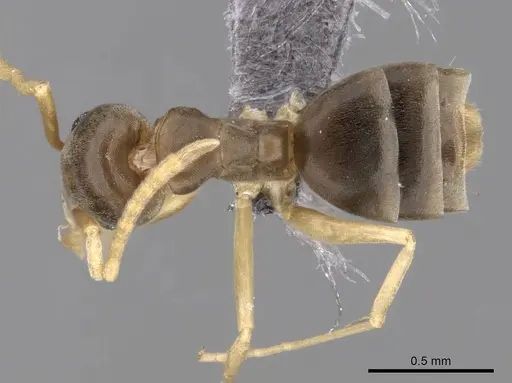
Literatura
Cargando mapa de distribución...Cargando productos...