
Tapinolepis pernix
- Nom. cient.
- Tapinolepis pernix
- Tribu
- Plagiolepidini
- Subfamilia
- Formicinae
- Autor
- Viehmeyer, 1923
- Distribución
- Encontrado en 0 países
Introducción
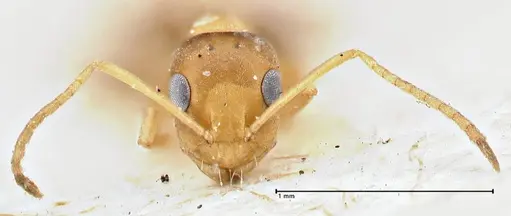
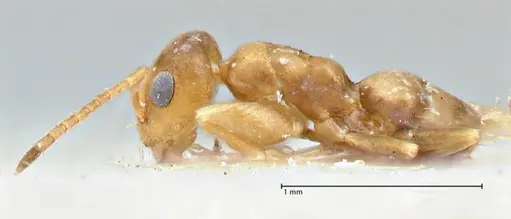
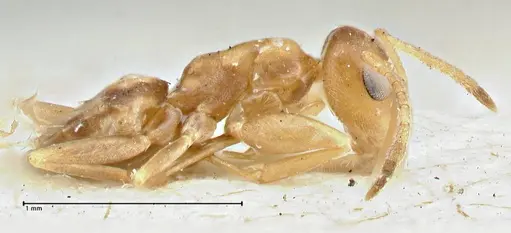
Tapinolepis pernix is a small ant species native to the Afrotropical region, described from Sudan in 1923 . It has since been recorded in Benin, Senegal, and Nigeria . Workers are slender and small, but exact size data is unavailable. This species nests in the ground, with documented populations in mango orchards in Benin . As a member of the Formicinae subfamily, they lack a functional stinger and defend themselves by spraying formic acid. The genus Tapinolepis is closely related to Anoplolepis and Plagiolepis, sharing ecological preferences for open, warm habitats.
Quick Summary
- Difficulty: Unknown, limited data available
- Origin & Habitat: Afrotropical region, known from Sudan, Benin, Senegal, and Nigeria. Ground-nesting species found in agricultural areas like mango orchards [1][2].
- Colony Type: Unknown, colony structure has not been documented in scientific literature.
- Size & Growth:
- Queen: Data unavailable
- Worker: Data unavailable
- Colony: Unknown, no colony size data available
- Growth: Unknown, no development data available
- Development: No data available (No direct development studies exist for this species.)
- Antkeeping:
- Temperature: Based on its Afrotropical distribution, keep at warm room temperatures around 24‑28°C. They likely tolerate higher temperatures. Avoid temperatures below 20°C.
- Humidity: Moderate humidity. Being ground-nesting, they tolerate drier conditions than fully arboreal species. Let the substrate dry partially between waterings.
- Diapause: No, tropical species from warm climates do not require hibernation. Keep warm year-round.
- Nesting: Ground-nesting species. In captivity, a formicarium with soil or sand substrate works best. Y‑tong nests with clean dirt chambers, or a simple soil nest, are suitable. Provide a moisture gradient so ants can choose their preferred humidity zone.
- Behavior: These are small, active ants that forage on the ground. As Formicinae, they are not aggressive defenders but may spray formic acid if threatened. Their small size means escape prevention is critical, use fine mesh barriers. Foraging is typical ground‑foraging, likely searching for nectar, honeydew, and small insects.
- Common Issues: limited care data, most requirements are estimates based on genus patterns, small worker size requires very fine mesh or smooth barriers to prevent escapes, no documented captive breeding success, wild colonies may be challenging to establish, tropical species may decline if kept too cool
Origin and Distribution
Tapinolepis pernix is an Afrotropical ant species originally described from Sudan in 1923 [1]. Since then, it has been recorded across several West African countries including Benin, Senegal, and most recently Nigeria [2][1]. The species appears to prefer open agricultural habitats, documented populations occur in mango orchards in Benin [1][2]. This distribution suggests adaptability to human‑modified landscapes while maintaining ground‑nesting habits.
Housing and Nesting
This is a ground-nesting species, so a naturalistic setup with a soil or sand‑filled chamber works best. You can use a standard formicarium with a dirt section, or a Y‑tong (AAC) nest filled with clean soil substrate. Since they come from warm tropical regions, avoid glass or acrylic nests that might insulate too much from room temperature. Provide a moisture gradient by keeping one end slightly damp and letting the other dry partially, this lets the ants choose their preferred humidity. A simple outworld for foraging completes the setup [1].
Temperature and Care
Being an Afrotropical species, Tapinolepis pernix prefers warm conditions. Keep the nest area at 24‑28°C. Room temperature in most homes should work, but you may need a heating cable during cooler months if your room drops below 22°C. Unlike temperate species, these ants do not require hibernation, keep them warm year‑round. Monitor colony behavior: if workers cluster and show reduced activity, the temperature may be too low.
Feeding and Diet
Based on typical Formicinae and Plagiolepidini preferences, these ants likely feed on honeydew, nectar, and small insects. Offer sugar water or honey water as a constant carbohydrate source. For protein, provide small prey items like fruit flies, pinhead crickets, or other appropriately‑sized insects. Given their small size, prey should be really small. Observe your colony's preferences and adjust accordingly.
Behavior and Temperament
As Formicinae ants, Tapinolepis pernix lacks a functional stinger. Their primary defense is spraying formic acid, which is less concerning for keepers than stinging species. Workers are small and active, typically foraging on ground surfaces. Their small size means they can squeeze through tiny gaps, excellent escape prevention with fine mesh is essential. Colony size is unknown, but based on related Plagiolepis species, it might be moderate (hundreds) rather than huge.
Frequently Asked Questions
How do I keep Tapinolepis pernix ants?
Keep them in a ground-nesting setup with soil substrate. Maintain warm temperatures of 24‑28°C and moderate humidity. Offer sugar water and small insects as food. Use fine mesh barriers due to their small size.
What do Tapinolepis pernix ants eat?
Based on related species, they likely accept honeydew, nectar, and small insects. Offer sugar water or honey water for carbohydrates and small prey items for protein.
How big do Tapinolepis pernix colonies get?
Colony size is unknown, no scientific data exists on maximum colony size for this species. Based on related Plagiolepis species, colonies are likely moderate (hundreds of workers) rather than large.
Do Tapinolepis pernix ants need hibernation?
No, being a tropical Afrotropical species, they do not require hibernation. Keep them warm year‑round at 24‑28°C.
How long does it take for Tapinolepis pernix to develop from egg to worker?
This is unconfirmed, no direct development studies exist for this species. No estimate is available.
Are Tapinolepis pernix good for beginners?
Difficulty level is unknown due to limited data. This species is not commonly kept in captivity and there are no documented captive breeding successes. It may be challenging to establish wild‑caught colonies.
Where is Tapinolepis pernix found?
This species is native to West Africa, documented in Sudan (type locality), Benin, Senegal, and Nigeria. They nest in the ground in agricultural areas like mango orchards [1][2].
Report an Issue
The current care sheet is based fully on literature. See inconsistencies, or something that's incorrect? Please , it will be resolved after review from an admin. Contributing to the blogs tab also helps providing information, to make us be able to further improve the caresheets. Thank you for your support!
References

Esta ficha de cuidados está bajo licencia CC BY-SA 4.0 .
Blogs de la comunidad
FOCOL2894
Ver en AntWeb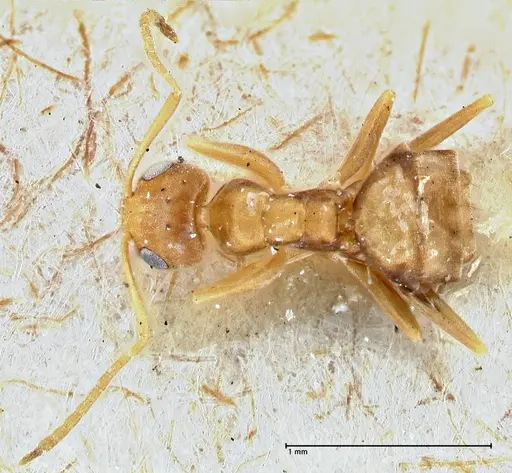
Literatura
Cargando mapa de distribución...Cargando productos...