
Strumigenys inquilina
- Nom. cient.
- Strumigenys inquilina
- Tribu
- Attini
- Subfamilia
- Myrmicinae
- Autor
- Bolton, 1983
- Distribución
- Encontrado en 0 países
Introducción
Strumigenys inquilina is a small predatory ant species endemic to the Sud-Kivu region of the Democratic Republic of Congo in central Africa . Beyond its geographic range, almost nothing is known about this species from scientific literature. It belongs to the genus Strumigenys, which is famous for its trap-jaw mandibles that snap shut to catch tiny prey like springtails. Most care advice for this ant is guessed from related species, so you're working with limited information.
Quick Summary
- Difficulty: Expert
- Origin & Habitat: Endemic to Sud-Kivu in the Democratic Republic of Congo, central Africa [1]. Based on typical Strumigenys habitat preferences, it likely lives in humid forest floor leaf litter and decaying wood.
- Colony Type: Colony structure is unconfirmed for this specific species. Many Strumigenys species are monogyne (single queen), but this has not been documented.
- Size & Growth:
- Queen: Size data unavailable for this species. Related Strumigenys queens are roughly 4-5mm.
- Worker: Size data unavailable for this species. Related Strumigenys workers are roughly 2-3mm.
- Colony: Unknown for this species. Related Strumigenys typically form small colonies of under 200 workers.
- Growth: Slow, estimated from related Strumigenys species
- Development: Unconfirmed for this species. Related species take 8-12 weeks at warm temperatures. (Development is probably slow due to their specialized predatory lifestyle and small colony sizes.)
- Antkeeping:
- Temperature: Keep around 22-25°C. Strumigenys prefer warm, humid conditions. Use a heating cable on one side of the nest to create a gentle gradient if room temperature is below this range.
- Humidity: High humidity is essential, aim for 70-85% relative humidity. Keep the nest substrate damp but not waterlogged. These forest-floor ants need consistently moist conditions.
- Diapause: Unknown for this species. Many tropical Strumigenys may not require true hibernation but may slow down during cooler periods. Keep stable temperatures year-round unless you see a natural seasonal slowdown.
- Nesting: Use a naturalistic setup with moist substrate (soil mix) or a plaster nest that holds humidity well. Choose tight, enclosed chambers rather than open spaces. A small hunting area (outworld) attached is needed for feeding live prey. Do not use acrylic nests, they don't hold humidity well enough.
- Behavior: Strumigenys are specialized predators that hunt almost exclusively on small live arthropods, particularly springtails. They are not aggressive toward larger threats and will flee rather than fight. Their trap-jaw mandibles are used for hunting, not defense. However, like other Myrmicinae ants, they do have a functional stinger for defense. They are slow-moving and rely on ambush-style hunting. Escape prevention is critical due to their tiny size, they can squeeze through remarkably small gaps.
- Common Issues: specialized diet of live springtails is hard to maintain, you must culture them continuously or the colony starves, tiny size means escapes through gaps under 1mm are possible, use very fine mesh or fluon barriers, slow growth and small colonies make them vulnerable to stress from disturbance or parameter fluctuations, high humidity often leads to mold problems if ventilation is poor, balance moisture with airflow, they cannot survive on sugar water or honey alone, they are obligate predators of small live prey
Housing and Nest Setup
Strumigenys inquilina needs a setup that keeps high humidity while giving them space to hunt. A naturalistic setup with a moist soil and leaf litter layer works well, mimicking their forest floor habitat. Alternatively, a plaster nest with a separate hunting outworld can work, as long as the nest stays damp. Choose tight, small chambers, they don't like big open spaces. Use a water reservoir connected to the nest via a cotton wick to keep the substrate moist. For the outworld, use a small container with moist substrate and leaf litter where you can release springtails. Avoid acrylic nests, they don't hold humidity well and are not recommended.
Feeding and Diet
This is the biggest challenge. Strumigenys are specialized predators that need live small prey. Their main food is live springtails (Collembola), which you need to culture separately. They may also accept other tiny arthropods like booklice (psocids), flightless fruit flies, and very small mealworms. They do NOT eat sugar water, honey, or dead insects. Offer fresh prey every 2-3 days and remove any leftovers after 24 hours. Get a well-established springtail culture before you even think about getting this ant.
Temperature and Humidity
Keep temperatures between 22-25°C. Strumigenys are tropical ants that like warmth but not extreme heat. Put a heating cable on one side of the nest to create a temperature gradient they can choose from. Humidity is critical, keep the substrate consistently moist but not soaking wet (aim for 70-85% relative humidity). Mist the nest occasionally but avoid standing water. Good ventilation is needed to prevent mold while keeping humidity high, this balance is tricky. Use a small digital hygrometer to monitor conditions.
Behavior and Temperament
Strumigenys are fascinating hunters. They slowly approach or wait near prey, then snap their trap-jaw mandibles shut at incredible speed. They are not defensive, they will flee from threats rather than bite or sting. They do have a functional stinger (as is typical for Myrmicinae ants), but they rarely use it on keepers. Workers are tiny and can be hard to see, watch carefully during feeding times. They show calm, slow movements, making them interesting to observe.
Colony Acquisition and Founding
Getting Strumigenys inquilina is extremely hard, they are not common in the hobby and only exist in a small region of central Africa. If you somehow get a colony, it will develop very slowly. A single queen may take many months to produce her first workers. Do not disturb the founding chamber. Make sure you have a constant supply of springtails before you try keeping this species.
Frequently Asked Questions
Can I keep Strumigenys inquilina in a test tube setup?
A test tube can work as the nest part, but you will need a separate hunting area (outworld) where you can provide live prey. The test tube should have a water reservoir with a cotton wick to keep humidity high. Because of their tiny size, you must seal all connections very well to prevent escapes.
What do Strumigenys inquilina ants eat?
They are specialized predators that need live small arthropods, especially springtails. They may also eat tiny fruit flies, booklice, and other small insects. They do NOT eat sugar, honey, or dead prey. Live food is mandatory.
How long does it take for Strumigenys to produce first workers?
This is not documented for this species. Based on related Strumigenys, expect 8-12 weeks from egg to worker at 22-25°C. Founding colonies grow very slowly, and first workers may take several months.
Are Strumigenys good for beginners?
No. Strumigenys inquilina is an expert-level species because of its specialized live prey needs, high humidity requirements, slow growth, and tiny size. It is not suitable for beginners. Start with something easier like Lasius niger or Tetramorium caespitum.
How big do Strumigenys inquilina colonies get?
Colony size is not documented for this species. Related Strumigenys species typically form small colonies, probably under 200 workers. They do not build huge colonies.
Do Strumigenys need hibernation?
Hibernation needs are unknown for this species. As a tropical African species, they probably do not need a true diapause period. They might slow down during cooler periods but keep stable warm temperatures year-round.
Why are my Strumigenys dying?
Common causes: lack of live springtail prey (they starve even if other food is present), low humidity causing desiccation, wrong temperatures, escape through tiny gaps, or stress from disturbance. Check all these before acquiring this demanding species.
Can I keep multiple queens together?
Colony structure is unconfirmed for this species. Combining unrelated queens has not been documented and is not recommended. Most Strumigenys are monogyne, but we don't know for sure about S. inquilina. Keep one queen per colony unless you see evidence otherwise.
When should I move Strumigenys to a formicarium?
Move them when the test tube water reservoir is nearly empty and the colony has at least 20 workers. However, a naturalistic setup with a hunting area often works better than traditional formicariums. Whatever you use must maintain high humidity.
Report an Issue
The current care sheet is based fully on literature. See inconsistencies, or something that's incorrect? Please , it will be resolved after review from an admin. Contributing to the blogs tab also helps providing information, to make us be able to further improve the caresheets. Thank you for your support!
References

Esta ficha de cuidados está bajo licencia CC BY-SA 4.0 .
Blogs de la comunidad
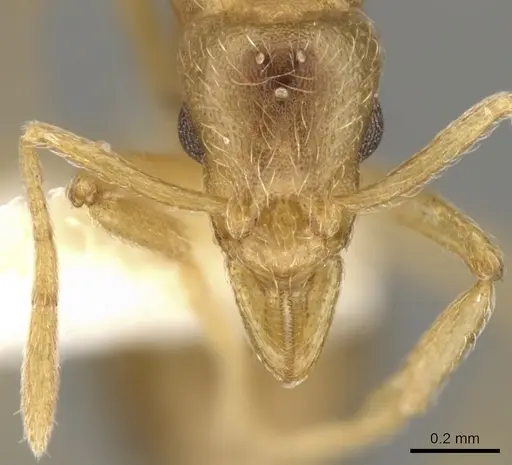
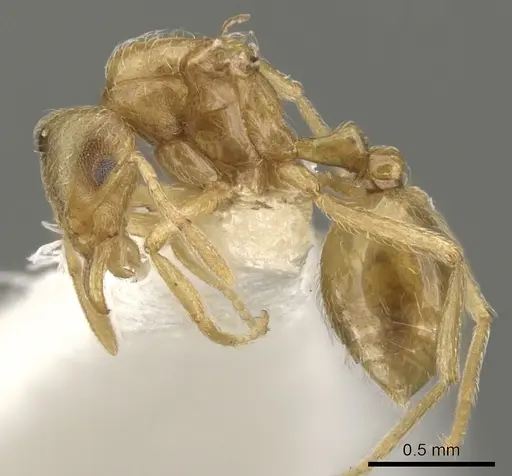
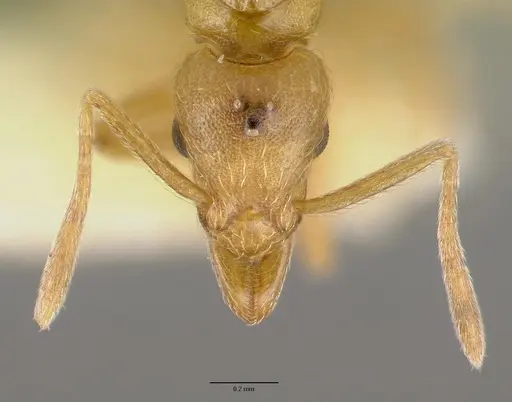
CASENT0900060
Ver en AntWeb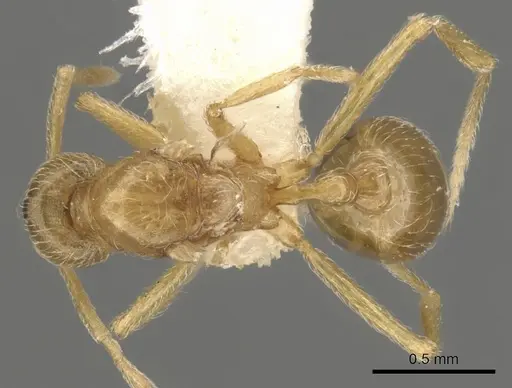
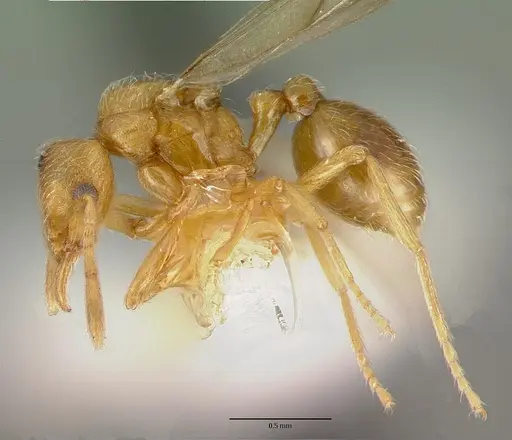
CASTYPE14102
Ver en AntWeb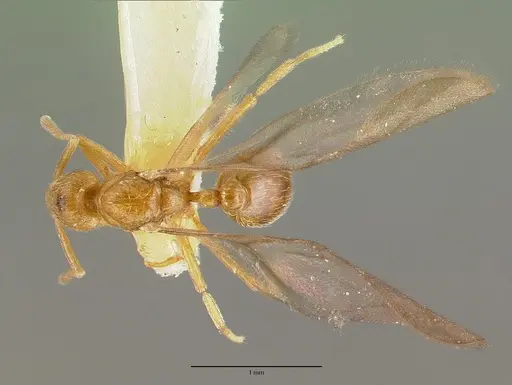
Literatura
Cargando mapa de distribución...Cargando productos...