
Strongylognathus chelifer
- Nom. cient.
- Strongylognathus chelifer
- Tribu
- Crematogastrini
- Subfamilia
- Myrmicinae
- Autor
- Radchenko, 1985
- Distribución
- Encontrado en 0 países
Introducción
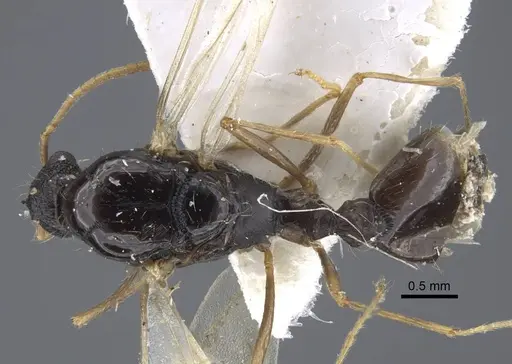
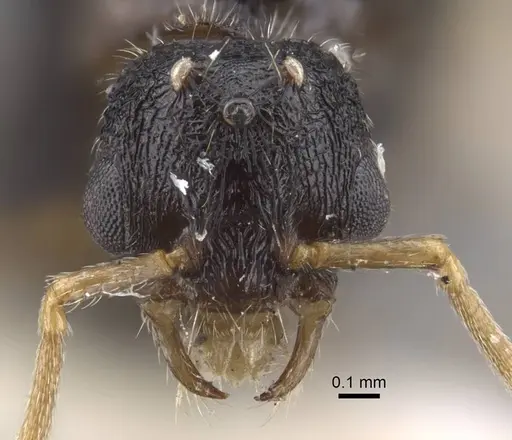
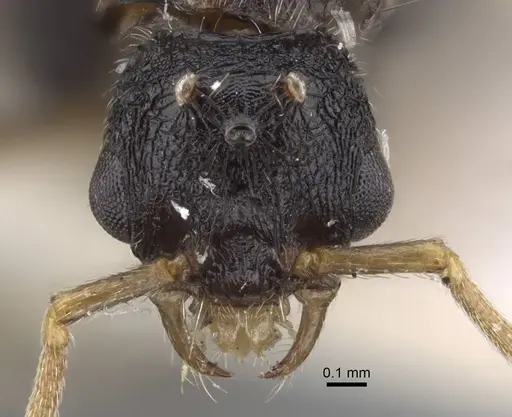
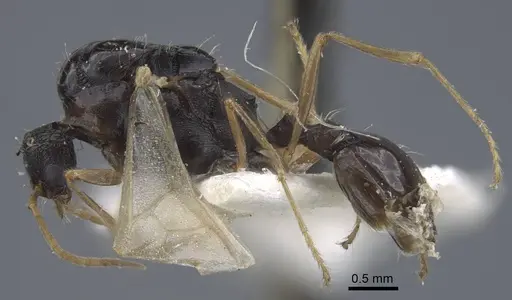
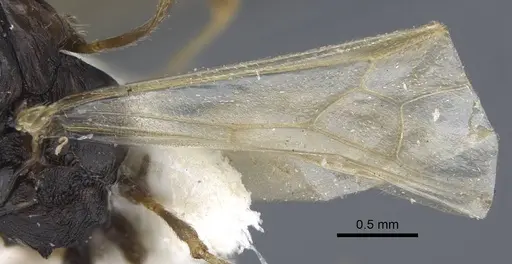
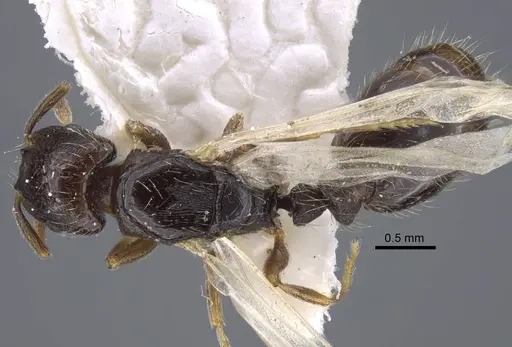
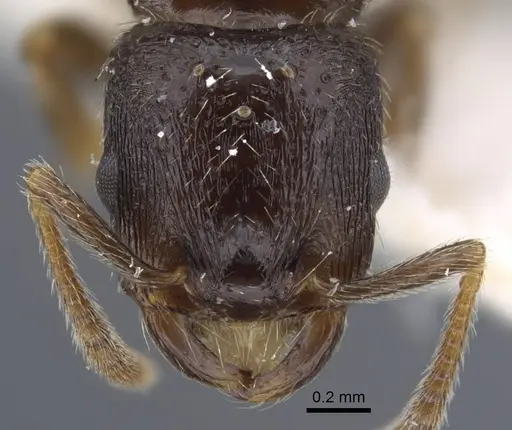
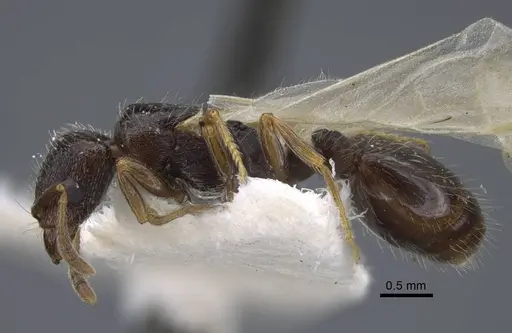
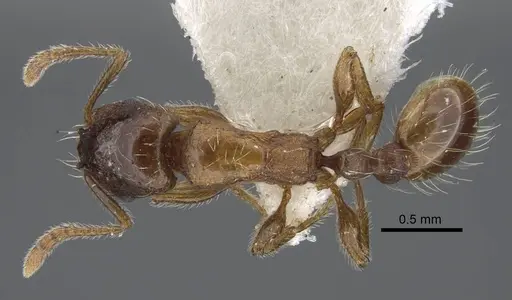
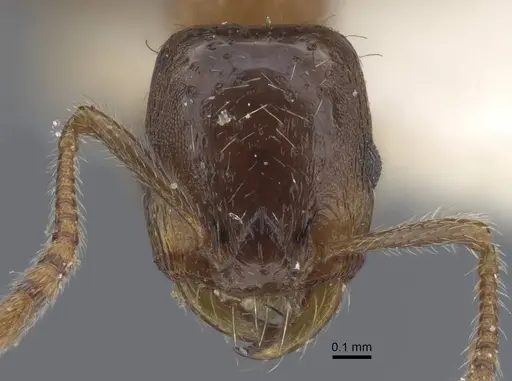
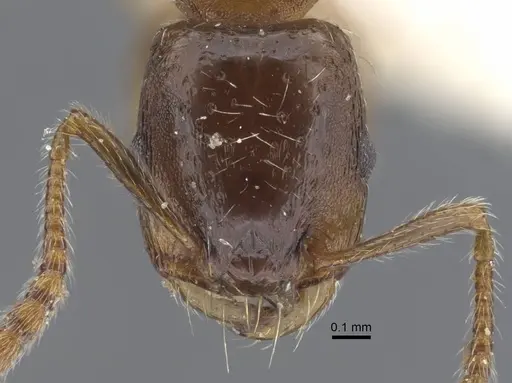
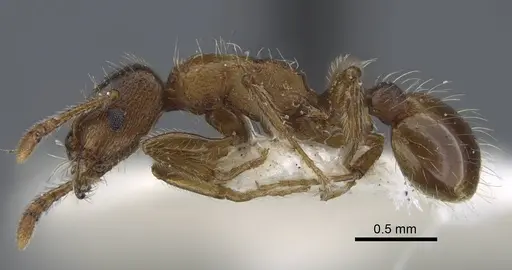
Strongylognathus chelifer is a rare parasitic ant endemic to the steppe zones of southern Ukraine. It is a social parasite of Tetramorium ants, meaning it cannot survive without a host colony . This species belongs to the huberi species-group and is known only from the Askania-Nova region in Kherson oblast . In the wild, workers only emerge from the host nest during raids to capture host pupae, making direct observation extremely rare . Size data for queens and workers is not available in published research. The species was first described in 1985 by Radchenko.
Quick Summary
- Difficulty: Expert
- Origin & Habitat: Southern Ukrainian steppe zone, specifically the Askania-Nova region in Kherson oblast. This is a steppe endemic found only in this limited area [1][3].
- Colony Type: Dulotic (slave-making) parasite, this species invades and parasitizes Tetramorium colonies. The queen infiltrates a host colony, replaces the host queen, and uses host workers to raise her own brood. The colony depends entirely on Tetramorium hosts for survival [1].
- Size & Growth:
- Queen: Size data unavailable in published research.
- Worker: Size data unavailable in published research.
- Colony: Unknown, tied to host colony size.
- Growth: Unknown.
- Development: Unknown, no direct measurements available. (Development has not been studied. Colony growth depends on the health of the host Tetramorium colony.)
- Antkeeping:
- Temperature: Unknown, no specific requirements documented. Based on steppe habitat, a temperate climate with warm summers and cold winters is likely. If attempting to keep (strongly discouraged), maintain at room temperature (20-24°C) and provide seasonal cooling for hibernation.
- Humidity: Unknown, steppe habitat suggests moderate to low humidity. Avoid waterlogging, but specific needs are unstudied.
- Diapause: Likely required based on temperate origin, but specifics unknown. If keeping, provide a winter cooling period of 2-3 months at 5-10°C (estimated from regional climate).
- Nesting: This species cannot build its own nest. It lives entirely within the host Tetramorium colony structure. In captivity, maintaining a mixed colony with a host species would be required, which is not recommended.
- Behavior: Strongylognathus chelifer is an obligate dulotic parasite. Workers rarely leave the host nest except during raids to capture Tetramorium pupae. They rely on host workers for feeding, brood care, and nest maintenance. This species is not aggressive toward humans, but escape prevention is still necessary. They are not suitable for typical ant keeping.
- Common Issues: This species cannot survive without a Tetramorium host colony, it is an obligate parasite., Finding a colony for purchase is nearly impossible, it is extremely rare and endemic to a tiny region of Ukraine., Mixed colonies often fail if the host colony dies or rejects the parasite., This is an expert-only species, not suitable for beginners., Standard ant-keeping methods do not apply, special research-level knowledge is required., WARNING: This species is highly endemic and may be protected under regional laws. Check local regulations before any collection or import.
Understanding Dulotic Ants
Strongylognathus chelifer belongs to a group of ants called dulotic species, or slave-makers. These ants are obligate parasites that depend completely on a host species, in this case, various Tetramorium species [1]. The queen invades an established Tetramorium nest, kills or replaces the host queen, and then uses the host workers to raise her own offspring. This is a permanent relationship: the colony cannot survive without its host. Workers have specialized mandibles adapted for raiding and carrying stolen brood. This extreme specialization makes them fascinating from a biological perspective, but they are extremely challenging to keep in captivity and not recommended for ant keeping.
Distribution and Habitat
This species has an extremely limited distribution, it is found only in the steppe zones of southern Ukraine, specifically the Askania-Nova region in Kherson oblast [1][2]. It was originally described from this area and remains known only from this region. Earlier reports of this species from China were likely misidentifications, researchers have proposed removing S. chelifer from the Chinese ant list, suggesting those specimens were actually Strongylognathus koreanus or Strongylognathus dao [2]. As a steppe endemic, they inhabit open grassland environments with hot summers and cold winters typical of temperate continental climates.
Why This Species Is Not Suitable for Typical Ant Keeping
Strongylognathus chelifer is absolutely not recommended for ant keeping. This species cannot be kept as a standalone colony, they are obligate parasites that require a living Tetramorium host colony to survive [1]. Even if you could obtain both species, maintaining a mixed dulotic colony is extraordinarily difficult and requires expert-level knowledge. The species is also extremely rare in the wild and has never been documented in the ant-keeping hobby. Additionally, as an endemic species with a very restricted range, there may be legal protections against collecting or exporting them. If you are interested in parasitic ants, consider studying them in the wild or focusing on more accessible species.
Natural History and Research
In the wild, Strongylognathus chelifer is difficult to observe. They only emerge from their host nests during coordinated raids on other Tetramorium colonies to capture pupae that will be raised as slave workers [1]. This raiding behavior is their primary activity outside the host nest. Because they spend most of their time hidden within the host colony, standard ant collection methods rarely encounter them, specialized research techniques are needed [1]. The species was first described in 1985 by Radchenko, with type specimens collected from the Askania-Nova steppe reserve. The genus Strongylognathus contains only about 20 known species worldwide, making this a particularly rare and scientifically interesting group.
Frequently Asked Questions
Can I keep Strongylognathus chelifer as a pet ant?
Strongly not recommended. This species is an obligate parasite that cannot survive without a Tetramorium host colony. They are not suitable for captive keeping under any practical circumstances. Additionally, the species is extremely rare and endemic to a very small region of Ukraine, and may be protected by law [1].
What do Strongylognathus chelifer ants eat?
They do not forage for food themselves. As dulotic parasites, they rely entirely on their Tetramorium host workers to feed them, tend their brood, and maintain the nest. The host workers collect food and share it with the parasites [1].
Where does Strongylognathus chelifer live?
Only in southern Ukraine, specifically the steppe regions around Askania-Nova in Kherson oblast. Earlier reports of this species in China were misidentifications of other Strongylognathus species [2].
Are Strongylognathus chelifer ants dangerous?
They are not dangerous to humans. As small Myrmicinae ants, they could bite if handled, but their primary defense is raiding other ant colonies, not interacting with predators. Their subfamily uses a smearing defense with a modified stinger, but this poses no threat to humans.
How big do Strongylognathus chelifer colonies get?
Colony size is entirely dependent on their Tetramorium host colony. They do not have their own independent worker force, they use host workers. The maximum size is therefore limited by what the host species can support. Specific size data is unavailable [1].
Do Strongylognathus chelifer ants need hibernation?
As a temperate species from Ukraine, they would likely require a winter dormancy period matching the seasonal cycle of their host colony. This would involve 2-3 months at reduced temperatures around 5-10°C, but specific requirements have not been studied.
What makes Strongylognathus chelifer special?
They are one of only about 20 known species in the genus Strongylognathus, making them a rare and scientifically interesting group of dulotic ants. Their extreme specialization as social parasites and their limited distribution make them a species of interest for myrmecologists studying social parasitism [1].
Report an Issue
The current care sheet is based fully on literature. See inconsistencies, or something that's incorrect? Please , it will be resolved after review from an admin. Contributing to the blogs tab also helps providing information, to make us be able to further improve the caresheets. Thank you for your support!
References

Esta ficha de cuidados está bajo licencia CC BY-SA 4.0 .
Blogs de la comunidad
Literatura
Cargando mapa de distribución...Cargando productos...