
Stigmatomma rothneyi
- Nom. cient.
- Stigmatomma rothneyi
- Tribu
- Amblyoponini
- Subfamilia
- Amblyoponinae
- Autor
- Forel, 1900
- Distribución
- Encontrado en 0 países
Introducción
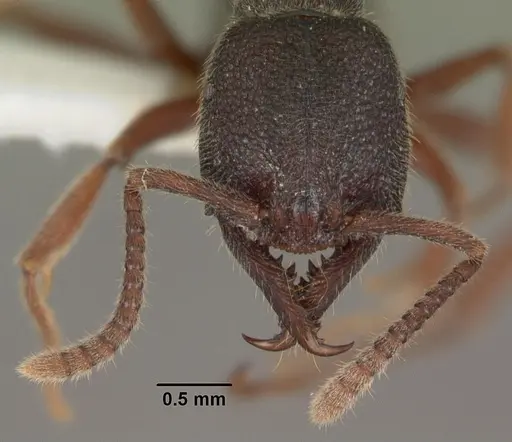
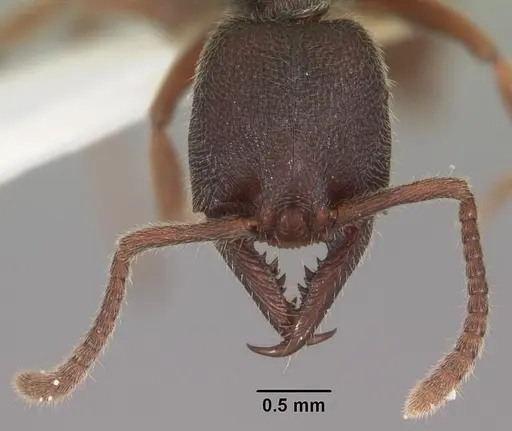
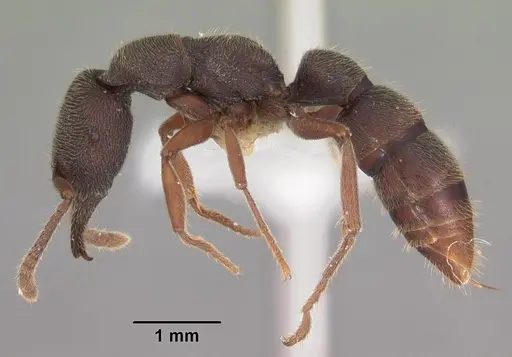
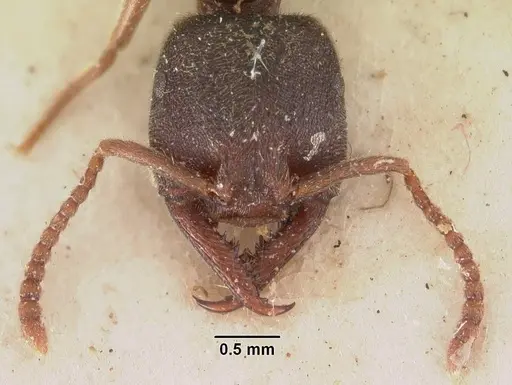
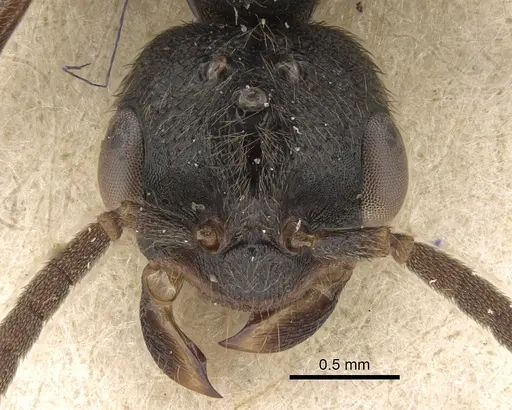
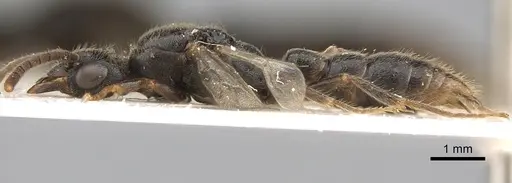
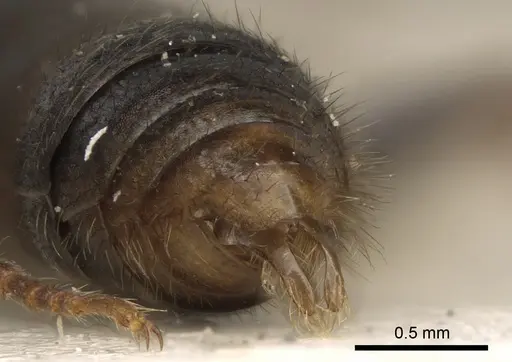
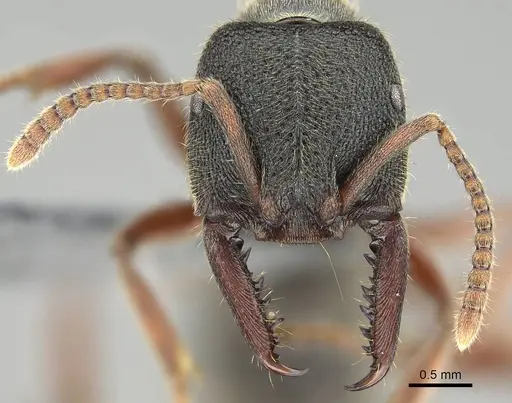
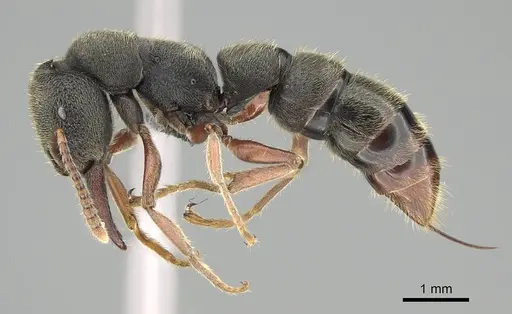
Stigmatomma rothneyi is a rare dracula ant known from India (Karnataka, Sikkim, West Bengal), with old records from southern China and the Philippines . It is considered a rare species . Workers have a distinctly longer-than-broad head, brown coloration, and about 10-12 small denticles on the front of the clypeus (the shield-like plate above the mouth) . Part of the Amblyoponinae subfamily, they are called dracula ants because they wound their own brood and drink the hemolymph (blood-like fluid) instead of eating solid food . They are typically collected through leaf litter extraction in forested areas . Note: earlier reports from Thailand were based on a misidentified specimen and are now excluded .
Quick Summary
- Difficulty: Hard
- Origin & Habitat: Native to India's Western Ghats and Eastern Himalayas, with additional older records from southern China and the Philippines [1][8]. They inhabit leaf litter in forests, often at higher elevations [6].
- Colony Type: Unconfirmed, likely monogyne (single queen) based on typical Amblyoponinae patterns, but no direct data supports this.
- Size & Growth:
- Queen: Size data unavailable, no total body length reported in literature.
- Worker: Size data unavailable, no total body length reported in literature.
- Colony: Unknown, likely small, but no records of mature colony size exist.
- Growth: Unknown, not documented for this species, possibly moderate based on genus patterns.
- Development: Not documented for this species. (Development time is unknown, estimates from related species are not reliable.)
- Antkeeping:
- Temperature: Not explicitly documented. Based on their subtropical highland habitat, aim for moderate temperatures around 22-26°C with a slight gradient. Avoid extremes.
- Humidity: High, maintain consistent moisture in the nest substrate, mirroring their leaf-litter environment. Keep the substrate damp but not waterlogged.
- Diapause: Unknown, a mild winter cooling may be beneficial given the Himalayan part of their range, but it is not confirmed. Do not force diapause without evidence.
- Nesting: Prefer dark, humid conditions. Use plaster, Y-tong (AAC), or soil-based nests. Avoid acrylic nests. The nest should be kept dark and provide a moisture gradient.
- Behavior: Cryptic and ground-dwelling, workers stay hidden most of the time. They are not aggressive toward keepers but have a functional stinger (subfamily trait). Their unique feeding behavior involves wounding larvae and feeding on hemolymph, this is normal. Workers are small, so escape prevention is critical, seal all gaps narrower than 1 mm. They are slow-moving and not particularly active.
- Common Issues: colonies are rare and difficult to acquire, limited availability from suppliers., unique hemolymph-feeding behavior requires understanding, normal ant diets may not suffice., escape prevention is critical due to small worker size., slow and uncertain growth can lead to overfeeding or unnecessary disturbance., they prefer dark conditions, excessive light causes stress.
Housing and Nest Setup
Stigmatomma rothneyi does best in a naturalistic or semi-naturalistic setup that mimics leaf-litter conditions. Use a plaster, Y-tong (AAC), or soil-based nest, avoid acrylic. The nest must stay consistently damp but not waterlogged. Provide a dark environment, cover the nest or place it in a dim area. Because the workers are small, your formicarium should have no gap larger than 1 mm to prevent escapes. A test tube setup can work for founding, but move the colony to a larger nest once a small number of workers have emerged (exact number not documented). [6][3]
Feeding and Diet
Feeding is the most critical aspect for this species. Stigmatomma rothneyi is a dracula ant, workers wound the brood (especially larvae) and feed on the hemolymph that oozes out [5]. In captivity, provide small live prey like springtails, fruit flies, and tiny crickets. The prey does not need to be killed first. Some colonies may also accept small amounts of honey or sugar water, but protein from live prey is essential. Do not remove dead larvae immediately, the hemolymph feeding is how workers obtain nutrition. Feed small amounts 2-3 times per week, adjusting based on consumption.
Temperature and Seasonal Care
Stable temperatures around 22-26°C are recommended, based on their subtropical highland origin [8]. Offer a temperature gradient (e.g., warm end ~24°C, cool end ~22°C) so the ants can choose. Seasonal cooling may be beneficial but is not confirmed. If you attempt diapause, reduce temperatures gradually to 15-18°C for 2-3 months in winter, but observe colony health closely. Avoid sudden changes.
Behavior and Temperament
Workers are cryptic, they spend most of their time hidden and are rarely seen foraging in the open. They are not aggressive and will retreat rather than attack, but they do have a functional stinger (typical of Amblyoponinae). The most unusual behavior is hemolymph feeding, workers move over larvae and show what looks like wounding. This is normal, not brood abuse. Workers are relatively slow-moving. They are not escape artists by nature, but due to their small size, ensure all openings are sealed with fine mesh and check connections regularly. [5][2]
Colony Establishment and Growth
Starting a colony is challenging because Stigmatomma rothneyi is rare and difficult to obtain [2]. Founding behavior is unconfirmed, it is not known whether queens found claustrally or semi-claustrally. If you obtain a queen, house her in a dark, stable test tube and wait. The first workers (nanitics) will be smaller than mature workers. Growth rate and timeline are undocumented. Be patient, do not overfeed or disturb the colony during founding. Maximum colony size is unknown, but based on other Amblyoponinae it is likely small.
Frequently Asked Questions
Is Stigmatomma rothneyi good for beginners?
No, this species is not recommended for beginners. They are rare, have specialized hemolymph-feeding needs, prefer dark and humid conditions, and are difficult to acquire. Their husbandry is poorly documented. Start with more common and better-documented species like Lasius or Camponotus.
How do I feed Stigmatomma rothneyi?
Offer small live prey such as springtails, fruit flies, and tiny crickets. The key is understanding that workers wound their larvae and feed on the hemolymph, do not remove dead larvae immediately. Some colonies accept honey occasionally, but protein from live prey is essential. Feed 2-3 times per week.
Can I keep multiple queens together?
Not recommended, there is no documented evidence of successful multi-queen colonies in this species. Keep only one queen per colony until evidence suggests otherwise.
Do Stigmatomma rothneyi ants sting?
Yes, they can sting. As members of Amblyoponinae, they have a functional stinger. However, they are not aggressive and will only sting if handled roughly. The sting is likely mild.
How long does it take for first workers to emerge?
This has not been documented for Stigmatomma rothneyi. Any timeline would be speculation.
Do they need hibernation?
Unknown, a mild winter cooling may be beneficial given their Himalayan distribution, but it is not confirmed. If you try diapause, reduce temperature gradually to 15-18°C for 2-3 months, but monitor the colony closely and be prepared to warm them if they show stress.
Why are my ants dying?
Common causes include: overfeeding (especially with sugar when they need protein), too much light (they prefer dark), incorrect humidity (too dry causes desiccation), and temperature stress. Also check for escape gaps, they can slip through tiny openings.
When should I move them to a formicarium?
Keep founding colonies in a test tube until they have established a small worker force. There is no specific number, use your judgment. Move them to a plaster, Y-tong, or soil-based nest that can hold moisture. Avoid acrylic nests.
Are Stigmatomma rothneyi rare in the wild?
Yes, they are considered rare. Historical records show only a few specimens collected from India, China, and the Philippines [2]. They are usually found through leaf litter extraction [6].
What makes Stigmatomma rothneyi different from other ants?
They are dracula ants, one of the few groups that feed on hemolymph from their own brood rather than eating solid food. They also have distinctive morphology: an elongated head and clypeal denticles. Additionally, they lack a basitarsal sulcus gland, an exocrine structure found in many other ants [9].
Report an Issue
The current care sheet is based fully on literature. See inconsistencies, or something that's incorrect? Please , it will be resolved after review from an admin. Contributing to the blogs tab also helps providing information, to make us be able to further improve the caresheets. Thank you for your support!
References

Esta ficha de cuidados está bajo licencia CC BY-SA 4.0 .
Blogs de la comunidad
CASENT0102186
Ver en AntWeb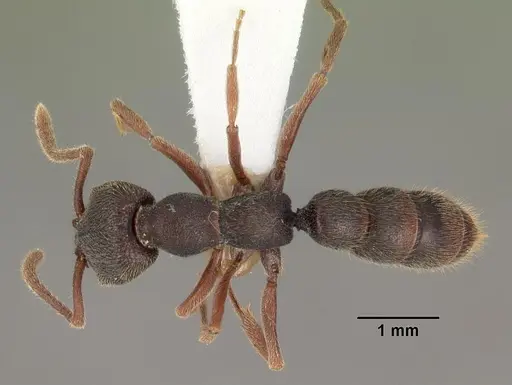
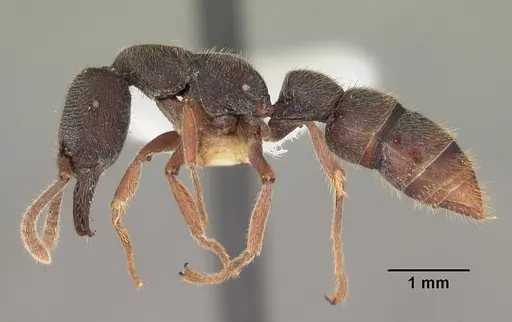
CASENT0102478
Ver en AntWeb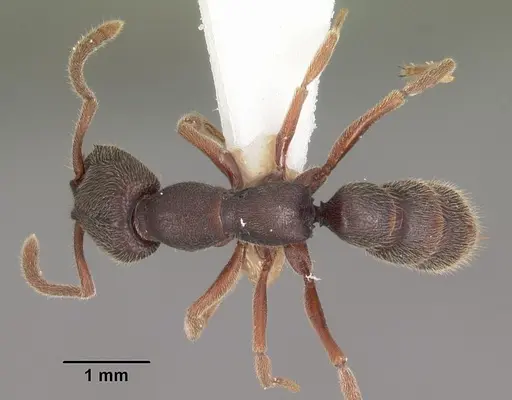
CASENT0102517
Ver en AntWeb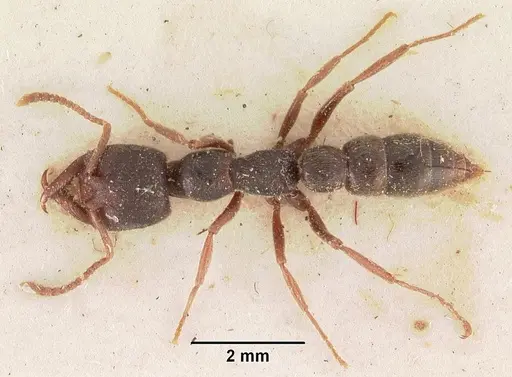
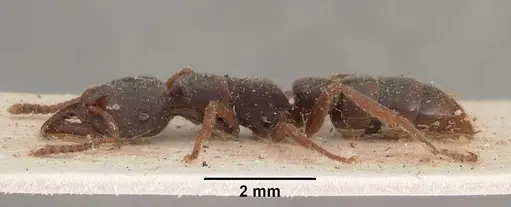
CASENT0280655
Ver en AntWeb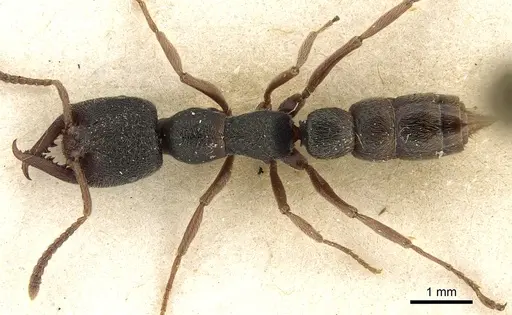
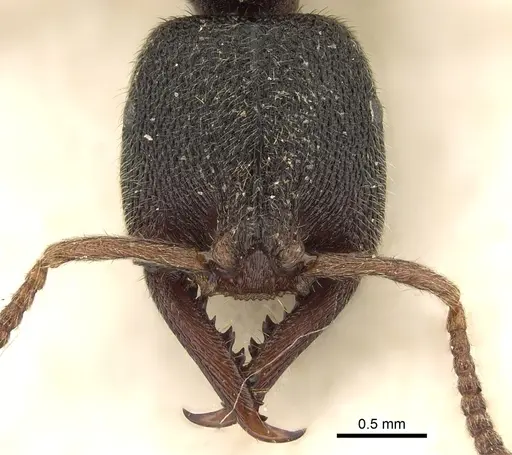
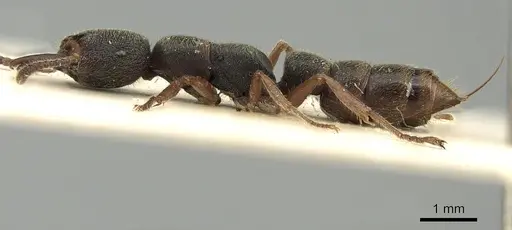
CASENT0906002
Ver en AntWeb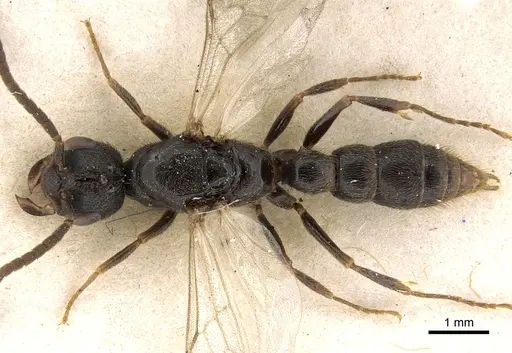
CASENT0914940
Ver en AntWeb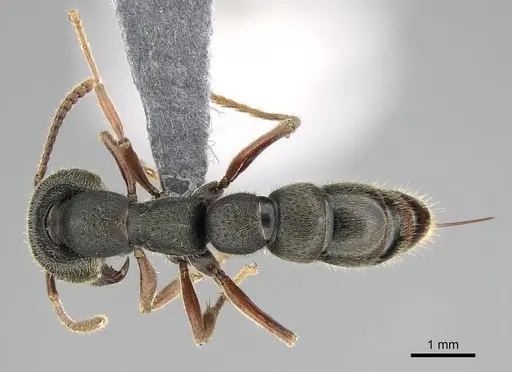
Literatura
Cargando mapa de distribución...Cargando productos...