
Stenamma kashmirense
- Nom. cient.
- Stenamma kashmirense
- Tribu
- Stenammini
- Subfamilia
- Myrmicinae
- Autor
- Baroni Urbani, 1977
- Distribución
- Encontrado en 0 países
Introducción
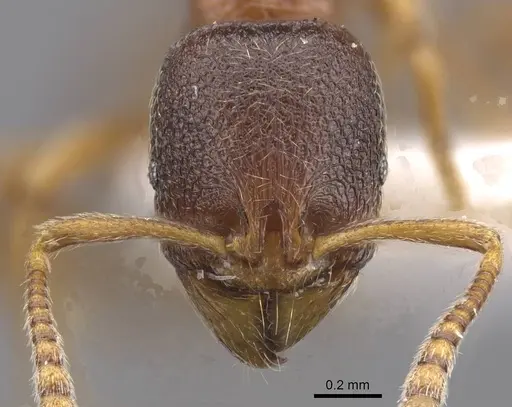
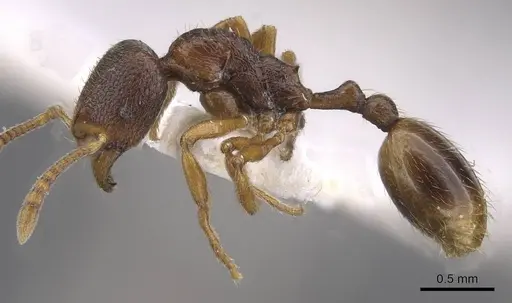
Stenamma kashmirense is a small, cryptic ant native to the Himalayan region. Workers measure around 3.4mm in total length and have a distinctive shining dark brown body with lighter brown appendages and gaster . The species belongs to the Stenamma westwoodii group and can be identified by its transverse carinae across the thoracic dorsum, propodeal plates that are equal to or longer than the propodeal spines, and a petiolar stalk that is less than half the length of the petiole . This ant was described from Kashmir, India at elevations of 2300-2400 meters and represents one of the few Stenamma species documented from the Himalayan region . What makes Stenamma kashmirense particularly interesting is its high-altitude origin in the Himalayas. This is an extratropical species found in the Palearctic region, specifically in the mountainous areas of India, Pakistan, and China . Like other Stenamma species, these ants are cryptic forest-floor inhabitants that nest in rotting wood or under stones, making them challenging to study in the wild. They possess a specialized surface sculpture with rugose and glassy-smooth areas that give them a distinctive shiny appearance under magnification .
Quick Summary
- Difficulty: Expert
- Origin & Habitat: Native to the Himalayan region, specifically found in Kashmir and Himachal Pradesh, India, as well as Pakistan and China at high elevations (2300-2400m) [2][4][1]. The species inhabits mountainous areas in the Palearctic biogeographic region, preferring damp, shaded forest-floor microhabitats with rotting wood or stones [3][1].
- Colony Type: Colony structure is unconfirmed. Based on genus-level patterns, Stenamma species typically form small colonies with a single queen (monogyne), though no specific data exists for this species [5].
- Size & Growth:
- Queen: Size data unavailable, inferred from related Stenamma species (~4-6mm). No queen measurements have been documented.
- Worker: 3.4mm total length (TL) [1]
- Colony: Unknown, related Stenamma species form small colonies (up to around 200 workers), but this is an estimate.
- Growth: Unknown, likely slow due to high-altitude, cool environment
- Development: Estimated 6-10 weeks based on typical Myrmicinae development at cool temperatures (No species-specific data exists. Expect slower development than tropical ants due to high-altitude Himalayan origin.)
- Antkeeping:
- Temperature: Keep at 18-22°C, mimicking cool mountain conditions. Avoid overheating, these ants come from high elevations and prefer cooler temperatures than most tropical species.
- Humidity: Moderate to high, keep nest substrate consistently moist but not waterlogged. These forest-floor ants prefer damp conditions similar to their natural habitat in shaded Himalayan forests.
- Diapause: Yes, based on high-altitude Himalayan origin, colonies likely require a winter dormancy period of 2-3 months at 5-10°C.
- Nesting: Y-tong (AAC) nests or plaster nests work well. Provide narrow chambers scaled to their small size. Keep nest substrate consistently moist. Naturalistic setups with flat stones or rotting wood pieces also mimic their natural nesting sites.
- Behavior: Stenamma kashmirense is a cryptic, slow-moving ant that forages on the forest floor. Workers are not aggressive and will typically flee rather than engage threats. They are likely nocturnal or crepuscular foragers, searching for small insects and honeydew. Due to their small size (3.4mm), escape prevention is important, use fine mesh barriers and tight-fitting lids. They are not known to sting.
- Common Issues: limited availability, this species is rarely available in the antkeeping hobby due to its restricted Himalayan distribution, no species-specific care data exists, keepers must rely on genus-level inferences, slow growth compared to tropical species, requires patience during founding phase, escape prevention is critical due to small worker size, high-altitude origin means they need cooler temperatures than most commonly kept ants, invasive potential unknown, but as a rare Palearctic species, never release it outside its native range
Housing and Nest Setup
For Stenamma kashmirense, use a Y-tong (AAC) nest or plaster nest with chambers scaled to their small 3.4mm worker size. The nest chambers should be tight and narrow, as these ants prefer enclosed spaces similar to their natural rotting wood nests. Keep the nest substrate consistently moist, these forest-floor ants need damp conditions but avoid waterlogging. A small water reservoir connected to the nest works well for maintaining humidity. For the outworld, a simple setup with a shallow foraging area is sufficient. Use fine mesh on any openings, their small size means they can escape through surprisingly tiny gaps. Some keepers successfully use naturalistic setups with flat stones or pieces of rotting wood as nest structures, which better mimic their natural habitat.
Temperature and Seasonal Care
Stenamma kashmirense requires cooler temperatures than most commonly kept ants, reflecting their high-altitude Himalayan origin. Keep the nest at 18-22°C, avoiding temperatures above 25°C which can stress or kill colonies. A gentle temperature gradient allows ants to choose their preferred zone. During winter, provide a diapause period of 2-3 months at 5-10°C, mimicking the cold Himalayan winters they evolved in. This dormancy is likely essential for colony health and may trigger reproductive behavior in spring. Room temperature (around 20°C) is often ideal for this species. If your room is warmer, use a cooling method or position the nest away from heat sources.
Feeding and Diet
Like other Stenamma species, S. kashmirense likely accepts small protein sources such as fruit flies, small mealworms, and other tiny insects. They are probably opportunistic foragers that collect honeydew from aphids in addition to hunting small prey. Offer sugar water or honey water as a carbohydrate source, though acceptance may vary. Feed small amounts 2-3 times per week, removing uneaten prey after 24 hours. Founding behavior is unconfirmed, so queens may or may not forage, keep a small food source available. Once workers arrive, they will hunt small prey in the outworld. Their small size means prey items should be appropriately sized, tiny insects are more suitable than large crickets.
Colony Founding and Early Development
Colony founding behavior has not been directly documented for S. kashmirense. The queen may seal herself in a small chamber (as seen in many claustral Myrmicinae), but this is unconfirmed. If you are lucky enough to have a queen, keep her in a test tube setup in darkness at 18-20°C, and do not disturb her for at least 6 weeks. First workers (nanitics) will be smaller than mature workers. Growth is likely slower than tropical species due to their temperate/high-altitude adaptation. Patience is essential, Stenamma colonies can take months to establish stable worker populations.
Behavior and Temperament
Stenamma kashmirense is a calm, non-aggressive species. Workers are cryptic and slow-moving, spending most of their time within the nest or foraging quietly on surfaces. They do not defend their nest aggressively and will typically retreat from threats rather than engage. This makes them suitable for observation but less exciting for keepers expecting active, visible ants. Workers likely forage primarily at night or during twilight hours, reflecting their forest-floor niche. They probably use chemical trails to communicate food discoveries rather than the tandem-running seen in some other genera. Their small size and cryptic nature make them fascinating to observe but challenging to watch in action. They are not known to sting and pose no danger to keepers.
Frequently Asked Questions
How long does it take for Stenamma kashmirense to raise first workers?
The timeline is unconfirmed, but based on related Stenamma species and typical Myrmicinae development at cool temperatures, first workers likely emerge in 6-10 weeks. Cooler conditions will slow development further. Patience is essential during the founding phase.
What temperature should I keep Stenamma kashmirense at?
Keep them at 18-22°C, which mimics their cool Himalayan mountain habitat. Avoid temperatures above 25°C as this can stress or kill colonies. Room temperature is often ideal. A slight temperature gradient allows the colony to self-regulate.
Do Stenamma kashmirense ants need hibernation?
Yes, based on their Himalayan origin in the Palearctic region, colonies should receive a winter dormancy period of 2-3 months at 5-10°C. This diapause mimics the cold winters in their natural habitat and is likely important for colony health and triggering spring reproduction.
How big do Stenamma kashmirense colonies get?
Colony size is not documented in scientific literature, but based on related Stenamma species, colonies likely reach up to around 200 workers at maturity. They are not large colony formers. Growth is slow compared to tropical species.
What do Stenamma kashmirense ants eat?
They likely accept small protein sources like fruit flies, small mealworms, and other tiny insects. Sugar water or honey water is probably accepted as a carbohydrate source. Feed small prey items appropriate to their 3.4mm worker size.
Can I keep Stenamma kashmirense in a test tube?
Test tubes can work for founding colonies, but due to their small size and preference for humid conditions, a Y-tong or plaster nest with moisture management is more suitable long-term. If using test tubes, ensure the water reservoir is appropriately sized and the cotton is packed firmly to prevent flooding.
Are Stenamma kashmirense ants aggressive?
No, they are calm and non-aggressive. Workers will flee from threats rather than engage. They pose no danger to keepers and do not sting. Their cryptic, slow-moving nature makes them interesting observation subjects but less exciting than more active species.
Is Stenamma kashmirense a good species for beginners?
This species is rated as Expert. While not aggressive, the complete lack of species-specific care data, need for cooler temperatures, winter dormancy, and very limited availability make them suitable only for experienced keepers. Their slow growth also requires patience.
Why are my Stenamma kashmirense workers dying outside the nest?
This could indicate stress from improper temperature (too hot), low humidity, or disease. Check that temperatures are in the 18-22°C range and the nest substrate is adequately moist. Also ensure good ventilation to prevent mold. Small numbers of workers dying is normal, but mass deaths suggest husbandry issues.
Where can I get Stenamma kashmirense ants?
This species is rarely available in the antkeeping hobby due to its restricted Himalayan distribution. You may need to connect with specialized dealers or collectors who work with Himalayan species. Wild collection is difficult due to the remote mountain habitat and the species' cryptic nature.
Report an Issue
The current care sheet is based fully on literature. See inconsistencies, or something that's incorrect? Please , it will be resolved after review from an admin. Contributing to the blogs tab also helps providing information, to make us be able to further improve the caresheets. Thank you for your support!
References

Esta ficha de cuidados está bajo licencia CC BY-SA 4.0 .
Blogs de la comunidad
CASENT0900946
Ver en AntWeb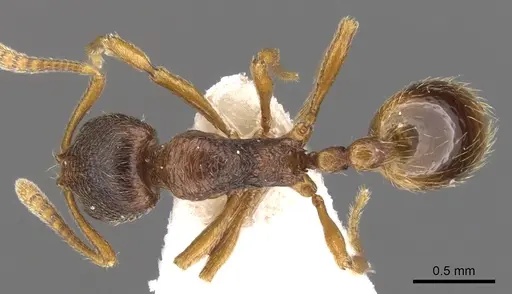
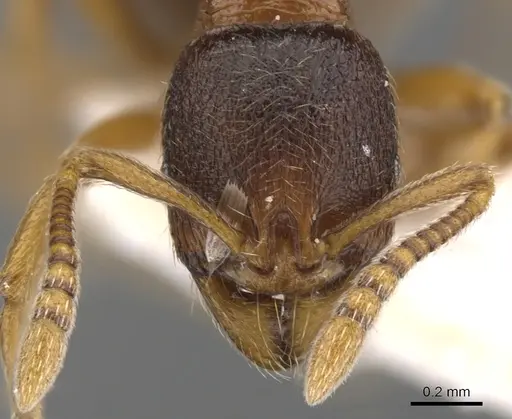
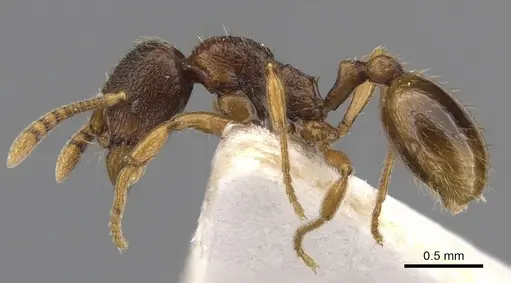
CASENT0913971
Ver en AntWeb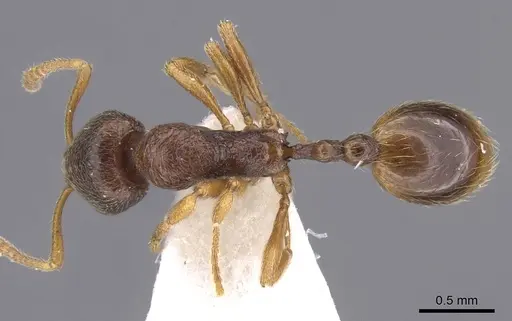
Literatura
Cargando mapa de distribución...Cargando productos...