
Pseudomyrmex excisus
- Nom. cient.
- Pseudomyrmex excisus
- Tribu
- Pseudomyrmecini
- Subfamilia
- Pseudomyrmecinae
- Autor
- Mayr, 1870
- Distribución
- Encontrado en 0 países
Introducción
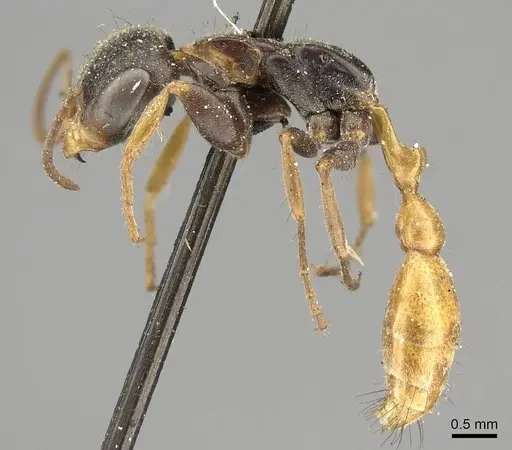
Pseudomyrmex excisus is a poorly known arboreal ant species native to Colombia. Workers measure 7.4 mm and have a distinctive appearance: shiny black body with testaceous-yellow petiole and abdomen; mandibles, mouthparts, scape, tibiae, and tarsi are testaceous; funicle brown; large eyes typical of the genus; head rounded-quadrate and sculptured-punctate; thorax with strong incision between meso- and metanotum . The species is only known from a single worker specimen collected in the Nueva Granada region of Colombia in the 1800s, making it one of the most poorly documented ants in the Neotropics . No recent collections or observations have been recorded, and its current status in the wild is unknown.
Quick Summary
- Difficulty: Unknown
- Origin & Habitat: Only known from Colombia (type locality: Nueva Granada) [2]. Based on the ecology of related Pseudomyrmex species, it likely inhabits tropical or subtropical forests and nests in trees or woody vegetation.
- Colony Type: Colony structure is unconfirmed, only a single worker specimen has ever been documented [2]. Based on related Pseudomyrmex species, likely single-queen colonies, but this is not verified.
- Size & Growth:
- Antkeeping:
- Temperature: Unconfirmed. Pseudomyrmex are Neotropical ants that typically prefer warm conditions. Start around 24-28°C and observe colony activity. Avoid temperatures below 20°C.
- Humidity: Unconfirmed. Based on typical Neotropical arboreal ants, moderate to high humidity (60-80%) likely preferred. Provide a water source and keep nest substrate slightly moist.
- Diapause: Unlikely, Pseudomyrmex species are tropical and typically do not enter diapause. However, this has not been studied for P. excisus specifically.
- Nesting: Based on known Pseudomyrmex ecology, they likely nest in pre-existing cavities in trees, hollow twigs, or stems. In captivity, a naturalistic setup with woody materials or a Y-tong/plaster nest with narrow chambers would be appropriate.
- Behavior: Pseudomyrmex ants are known for being aggressive defenders with painful stings. They are fast-moving, visually oriented ants with large eyes. Escape prevention is important as they are active and may attempt to flee. The specific behavior of P. excisus is unconfirmed but likely similar to related species.
- Common Issues: extremely limited information means all care is experimental, expect to adjust based on observation, likely aggressive and can sting painfully, handle with extreme caution, arboreal nature requires vertical nesting structures and woody materials, tropical species, cold temperatures may be fatal, fast-moving and active, excellent escape prevention required, species may be endangered or extinct in the wild, avoid wild collection and only obtain from licensed sources if available
Identification and Appearance
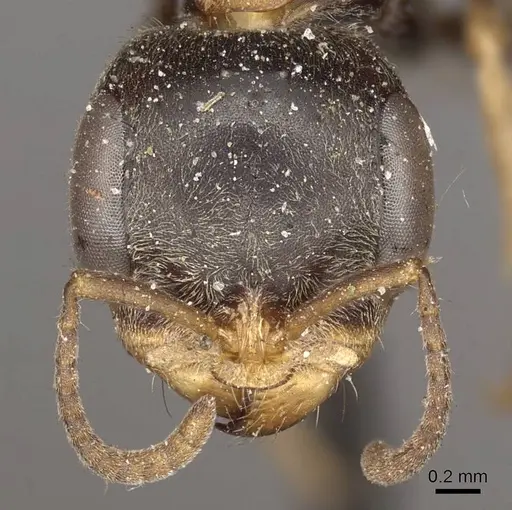
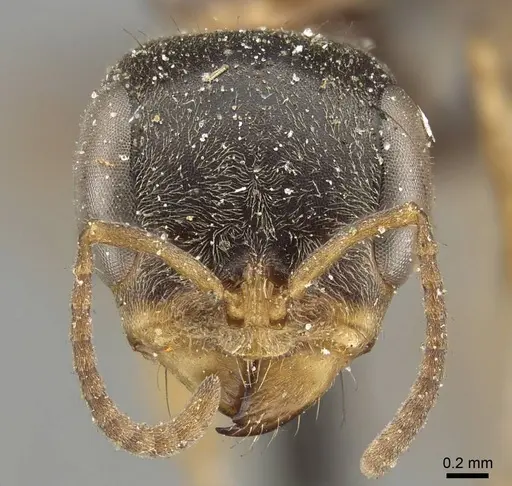
Pseudomyrmex excisus workers are approximately 7.4 mm in length. They have a distinctive color pattern: shiny black body with testaceous-yellow petiole and abdomen. The mandibles, mouthparts, scape, tibiae, and tarsi are testaceous, while the funicle is brown. The head is rounded-quadrate, depressed, and abundantly sculptured-punctate with very large eyes. The thorax is quadrilateral, sculptured-punctate, with a strong incision between the meso- and metanotum. The petiole has a long anterior petiolar portion and the node is deeply arcuately excised above. The abdomen is very finely coriaceous-rugulose and punctulate [1]. These features, combined with the large eyes and shiny cuticle, are typical of the genus Pseudomyrmex.
Distribution and Rarity
This species is known only from the holotype worker collected in the Nueva Granada region of Colombia, essentially the entire known range is a single specimen collected in the 1800s [2]. No recent collections or observations have been documented, making Pseudomyrmex excisus one of the rarest and least documented species in the genus. It represents a significant gap in our understanding of Neotropical ant biodiversity.
Genus-Level Care Guidance
Since no captive colonies of P. excisus have ever been documented, all care information must be inferred from related Pseudomyrmex species. The genus contains aggressive, arboreal ants known for their painful stings. They are typical tropical ants and prefer warm, humid conditions. In captivity, provide a naturalistic setup with access to woody nesting materials, hollow twigs or artificial stems work well. Maintain temperatures in the mid-20s°C (24-28°C) and ensure adequate humidity (60-80% or keep substrate slightly moist). Feed protein sources like small insects (fruit flies, pinhead crickets) and provide sugar water or honey. Always use excellent escape prevention due to their active, fast-moving nature. Handle with caution as they are capable of delivering a painful sting.
Legal and Ethical Considerations
Pseudomyrmex excisus is native to Colombia and should not be collected or kept unless you have proper permits. This species is extremely rare in the wild and may be of conservation concern. If you encounter this species in the antkeeping hobby, exercise extreme caution about its origin. Never release any ant species outside its native range, Pseudomyrmex are not established in North America or Europe and could become invasive.
Frequently Asked Questions
How do I keep Pseudomyrmex excisus?
No captive colonies have ever been reported, so specific care is unknown. Based on genus patterns, provide warm temperatures (24-28°C), moderate to high humidity, and woody nesting materials. This species is essentially unknown in the antkeeping hobby and all care is experimental.
What does Pseudomyrmex excisus eat?
Unconfirmed for this species. Related Pseudomyrmex species are predatory and also consume honeydew from aphids and scale insects. Offer small live insects and sugar water, adjusting based on acceptance.
How big do Pseudomyrmex excisus colonies get?
Unknown, no colony data exists for this species. Most Pseudomyrmex colonies are small to moderate, typically reaching a few hundred workers, but this is speculative.
Does Pseudomyrmex excisus sting?
Unconfirmed for this specific species, but all Pseudomyrmex genus members have functional stings and are known to deliver painful stings. Treat this species as potentially dangerous and handle with extreme caution.
Where does Pseudomyrmex excisus live?
Only known from Colombia. The original specimen was collected in the Nueva Granada region. No other distribution data exists.
Is Pseudomyrmex excisus a good beginner ant?
No, this species is virtually unknown in captivity and should be considered expert-only. There is no established care information, and the species may be extremely rare or possibly extinct in the wild.
Do I need to hibernate Pseudomyrmex excisus?
Unlikely, Pseudomyrmex are tropical ants that do not typically enter diapause. However, this has not been studied for this specific species.
Can I keep multiple Pseudomyrmex excisus queens together?
Unknown, no colony structure data exists for this species. Do not attempt to combine unrelated queens without extensive research and experience.
Report an Issue
The current care sheet is based fully on literature. See inconsistencies, or something that's incorrect? Please , it will be resolved after review from an admin. Contributing to the blogs tab also helps providing information, to make us be able to further improve the caresheets. Thank you for your support!
References

Esta ficha de cuidados está bajo licencia CC BY-SA 4.0 .
Blogs de la comunidad
CASENT0915839
Ver en AntWeb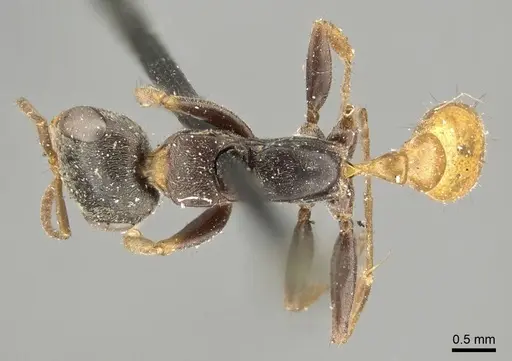
Literatura
Cargando mapa de distribución...Cargando productos...