
Pseudomyrmex cordiae
- Nom. cient.
- Pseudomyrmex cordiae
- Tribu
- Pseudomyrmecini
- Subfamilia
- Pseudomyrmecinae
- Autor
- Forel, 1904
- Distribución
- Encontrado en 0 países
Introducción
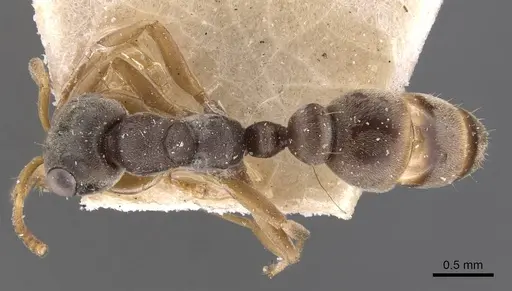
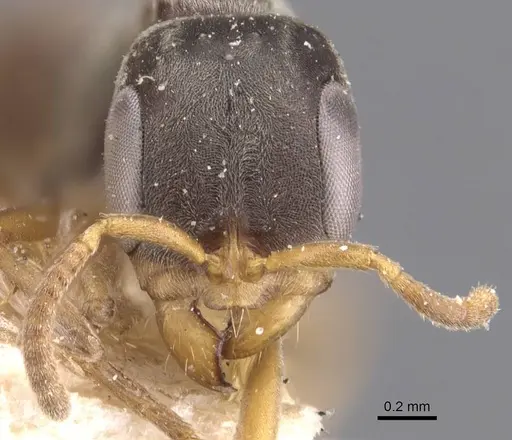
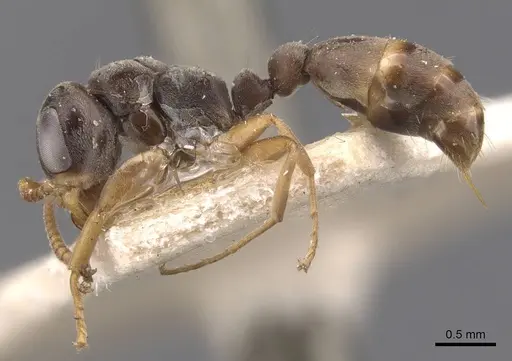
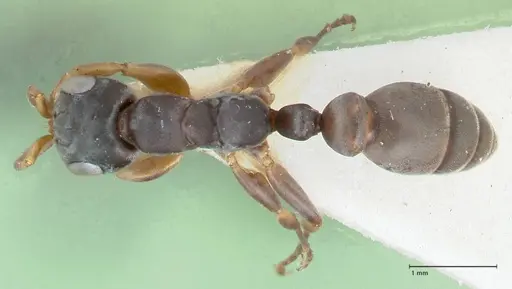
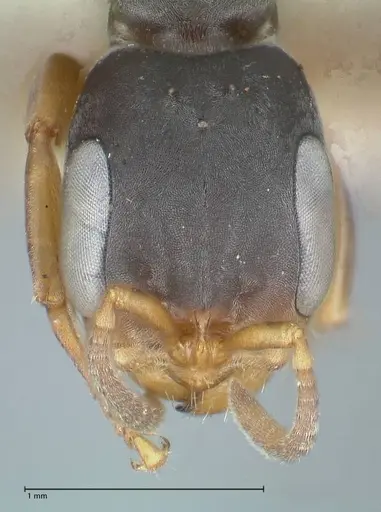
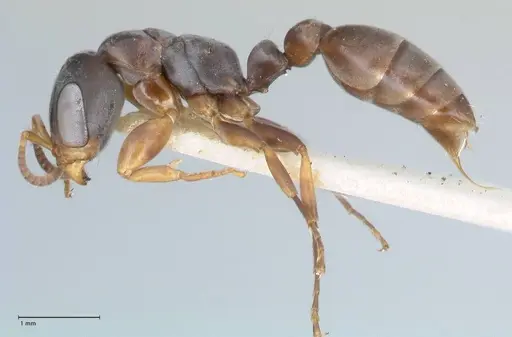
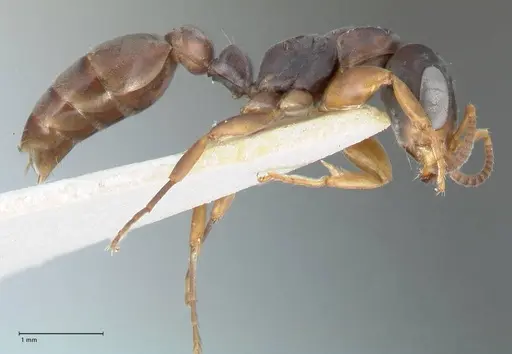
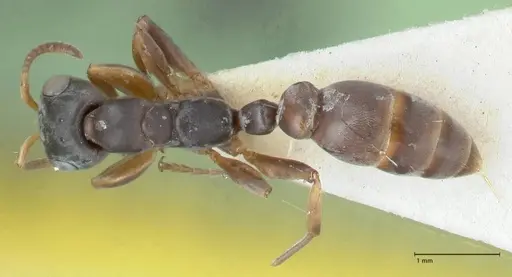
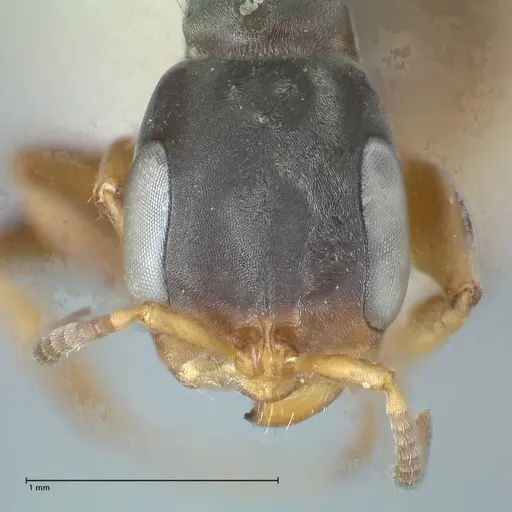
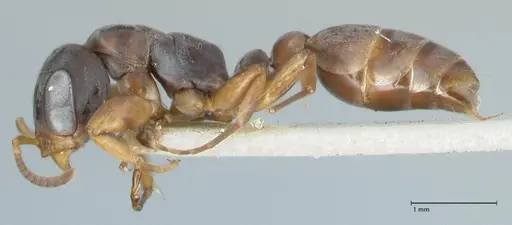
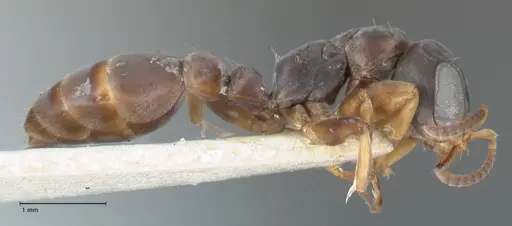
Pseudomyrmex cordiae is a slender, Neotropical arboreal ant belonging to the Pseudomyrmex sericeus group. Workers are small and slender with long legs, typical of twig-nesting Pseudomyrmex. They have relatively short eyes and a short, high petiole. Originally described as a variety of Pseudomyrmex sericeus, it is now recognized as a distinct species . These ants inhabit hollow twigs and branches in Cordia trees and other plants . Their known distribution spans Colombia (Antioquia, Cundinamarca, Meta, Tolima), Peru, Bolivia, and Brazil (Pará) .
Quick Summary
- Difficulty: Medium
- Origin & Habitat: Neotropical region, Colombia (Antioquia, Cundinamarca, Meta, Tolima), Peru (type locality), Bolivia, and Brazil (Pará). They are generalist twig-nesting ants that inhabit hollow twigs and branches, particularly in Cordia trees [2][1][6].
- Colony Type: Colony structure is unconfirmed. Based on typical Pseudomyrmex patterns, they likely form single-queen colonies (monogyne), but this has not been documented for this species.
- Size & Growth:
- Queen: Size data unavailable
- Worker: Size data unavailable
- Colony: Unconfirmed, likely up to several hundred workers based on genus patterns
- Growth: Moderate
- Development: Unconfirmed, estimated 6-10 weeks based on related Pseudomyrmex species in the sericeus group (Development time is estimated from genus-level data, specific measurements for Pseudomyrmex cordiae are not available.)
- Antkeeping:
- Temperature: Keep warm at 24-28°C. These tropical ants need stable warmth, avoid temperatures below 20°C. Use a heating cable on one side of the nest to create a gradient.
- Humidity: Moderate. Keep the nest substrate moderately moist but not wet. Provide a test tube water source for drinking.
- Diapause: No, they are tropical and do not need hibernation. Keep temperatures consistent year-round.
- Nesting: Use a Y-tong (aerated concrete) nest with narrow chambers, or provide natural twigs and branches with pre-drilled holes. These arboreal ants prefer tight, enclosed spaces that mimic hollow twigs. Avoid large, open formicaria.
- Behavior: Pseudomyrmex ants are alert, active, and defend their nest aggressively. Workers are slender, fast-moving, and have good vision. They can deliver a mild sting if threatened. Escape prevention is critical, they can squeeze through tiny gaps. Generalist foragers that likely hunt small insects and tend aphids for honeydew.
- Common Issues: tropical temperature requirements mean colonies can struggle in cool rooms or air-conditioned spaces, use heating year-round., arboreal nesting needs appropriate vertical space and climbing structures, provide branches or vertical chambers., escape risk is high due to small size and slender bodies, seal all gaps tightly., limited specific data means founding and development may have unexpected challenges, prepare for adaptions., wild-caught colonies may carry parasites, quarantine new colonies before introducing to permanent setup.
Nest Preferences and Housing
Pseudomyrmex cordiae naturally nests in hollow twigs and branches, especially in Cordia trees [2][1]. In captivity, mimic these conditions. A Y-tong (aerated concrete) nest with narrow, connected chambers works well, or you can use natural twigs with pre-drilled cavities connected to a foraging area. The key is providing tight, enclosed spaces, they avoid open areas. Provide vertical climbing space, as they are arboreal. Avoid deep substrate, they prefer dry, enclosed chambers. Attach a small test tube water source to the outworld for drinking.
Feeding and Diet
Like other Pseudomyrmex species, Pseudomyrmex cordiae is likely a generalist forager. Offer constant sugar water (1:3 sugar water ratio) or diluted honey. For protein, provide small insects such as fruit flies, small crickets, or mealworm pieces. Feed protein 2-3 times per week and remove uneaten prey after 24 hours. They may also tend aphids for honeydew if available. Specific dietary preferences for this species have not been studied, but genus-level observations suggest opportunistic feeding.
Temperature and Seasonal Care
As Neotropical ants, Pseudomyrmex cordiae needs warm temperatures between 24-28°C. Keep them away from air conditioning or drafts. A heating cable on one side of the nest provides a gradient. They do not require diapause, maintain consistent warmth year-round. Extended drops below 20°C can be harmful. [2]
Behavior and Temperament
Pseudomyrmex ants are alert, active, and aggressive nest defenders. Workers are fast-moving with good vision. They can sting when threatened, but the sting is mild and not dangerous to humans. Their small size means they can escape through tiny gaps, use tight lids and barriers like fluon. Provide climbing structures in the outworld to encourage natural foraging behavior. [2]
Colony Establishment
Founding behavior for Pseudomyrmex cordiae is unconfirmed. Based on typical Pseudomyrmex patterns, queens likely seal themselves into a small chamber (claustral founding) and survive on stored reserves until first workers emerge. Provide a small-diameter test tube with a water reservoir, placed in a dark, quiet spot. Do not disturb the queen during founding. First workers (nanitics) will be smaller than mature workers. Once workers appear, connect the nest to a foraging area and begin feeding. Colony growth is moderate.
Frequently Asked Questions
How long does it take for Pseudomyrmex cordiae to produce first workers?
The exact timeline is unconfirmed. Based on related Pseudomyrmex species in the sericeus group, expect 6-10 weeks from egg to first worker at 24-28°C.
Can I keep Pseudomyrmex cordiae in a test tube setup?
Yes, test tubes work well for founding and small colonies. Use a small-diameter tube with a water reservoir sealed with a cotton plug. Move the colony to a more spacious setup when they outgrow the tube.
Do Pseudomyrmex cordiae ants sting?
Yes, they can sting. It is generally mild and not dangerous, similar to other small Pseudomyrmex species. Handle them with care.
What temperature do Pseudomyrmex cordiae need?
Keep them at 24-28°C. They are tropical and cannot tolerate temperatures below 20°C for long. Use a heating cable if needed.
Are Pseudomyrmex cordiae good for beginners?
They are rated medium difficulty. They need stable tropical temperatures and appropriate arboreal housing, which may be challenging for complete beginners. Not recommended as a first species.
How big do Pseudomyrmex cordiae colonies get?
Colony size is unconfirmed. Based on genus patterns, they likely reach several hundred workers.
Do Pseudomyrmex cordiae need hibernation?
No, they are tropical and do not require hibernation. Maintain consistent warm temperatures year-round.
What do Pseudomyrmex cordiae eat?
They likely accept a generalist diet: sugary liquids (honey water, sugar water) and small insects for protein. Feed protein 2-3 times per week, sugar available constantly.
When should I move Pseudomyrmex cordiae to a formicarium?
Move them when the test tube becomes crowded or the water runs out, usually when the colony outgrows the tube. Use a nest with narrow chambers or twigs to mimic natural conditions.
Can I keep multiple Pseudomyrmex cordiae queens together?
This has not been documented. Pseudomyrmex are typically monogyne, so combining unrelated queens is not recommended without evidence they can coexist.
Report an Issue
The current care sheet is based fully on literature. See inconsistencies, or something that's incorrect? Please , it will be resolved after review from an admin. Contributing to the blogs tab also helps providing information, to make us be able to further improve the caresheets. Thank you for your support!
References

Esta ficha de cuidados está bajo licencia CC BY-SA 4.0 .
Blogs de la comunidad
Literatura
Cargando mapa de distribución...Cargando productos...