
Pseudolasius carinatus
- Nom. cient.
- Pseudolasius carinatus
- Tribu
- Lasiini
- Subfamilia
- Formicinae
- Autor
- Karavaiev, 1929
- Distribución
- Encontrado en 0 países
Introducción
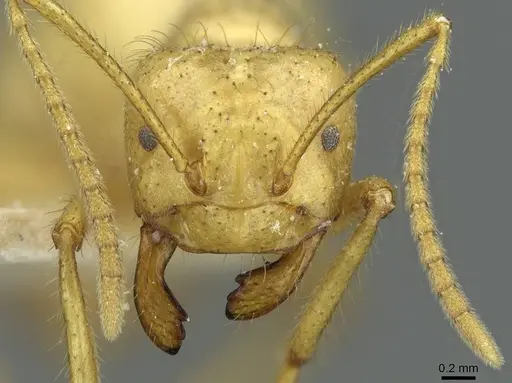
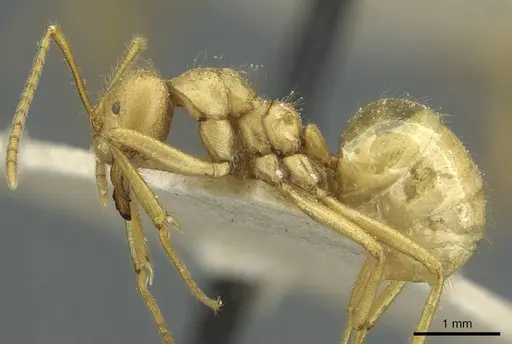
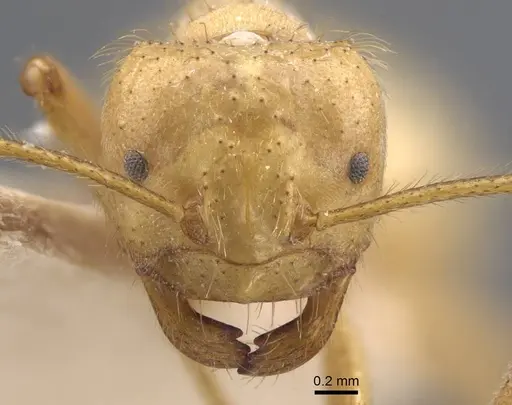
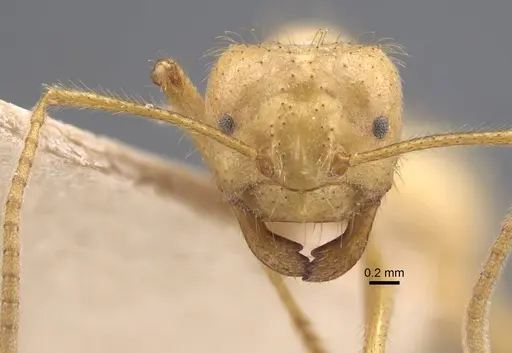
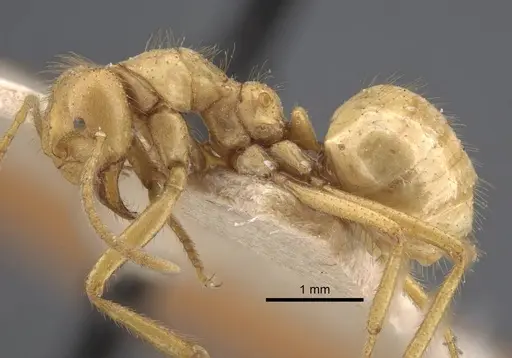
Pseudolasius carinatus is a poorly known ant species in the Formicinae subfamily, tribe Lasiini. Only workers have been described - queens and males remain unknown. The type specimens were collected on Kobror Island in the Aru Archipelago (Indonesia) in March 1913 . This species has not been documented in captivity, and virtually nothing is known about its biology, behavior, or colony structure. The genus Pseudolasius is closely related to Lasius, but this specific species is extremely rare in both scientific literature and the antkeeping hobby.
Quick Summary
- Difficulty: Unknown, no captive care data. Extremely risky for any keeper, beginners should avoid.
- Origin & Habitat: Tropical Indonesia: Aru Islands (Kobror Island). Presumably warm, humid island rainforest [1].
- Colony Type: Unconfirmed, no data on queen number or social structure.
- Size & Growth:
- Queen: Unknown, queen not described.
- Worker: Unknown, worker total length is not provided in the original description [1].
- Colony: Unknown, no colony size estimates exist.
- Growth: Unknown
- Development: No data available. (Any estimates would be pure guesswork.)
- Antkeeping:
- Temperature: Tropical origin suggests warm conditions (mid‑20s°C), but exact needs are unknown. Keep at stable room temperature (22-25°C) and observe.
- Humidity: Likely high, as in tropical rainforests. Keep nest substrate moist but not waterlogged, no specific percentages known.
- Diapause: Unconfirmed, tropical species probably do not require diapause, but no evidence.
- Nesting: Unknown. Related Pseudolasius often nest in soil or leaf litter, but this is speculation.
- Behavior: Behavior undocumented. Based on related Lasiini, likely docile. Escape risk unknown, standard barriers recommended.
- Common Issues: no scientific data on husbandry, every aspect is guesswork., no captive breeding reported, likely only wild‑caught specimens exist., tropical humidity requirements may be challenging in dry climates, but even this is uncertain., unknown colony growth makes planning impossible.
Species Background and Distribution
Pseudolasius carinatus was described by Karavaiev in 1929 from 19 worker syntypes collected on Kobror Island, Aru Archipelago, Indonesia [1]. No other records exist in the literature. The species is only known from the type series, queens, males, and colony structure remain undescribed. It belongs to the genus Pseudolasius (Lasiini tribe), which is distributed across tropical Asia and Australasia. Due to the lack of data, almost all care advice must be inferred from related genera and is highly speculative.
Housing and Nesting
No housing recommendations can be based on direct observation. If you attempt to keep this species, start with a standard test‑tube setup for any founding queen. Provide moist substrate (e.g., a mix of sand and soil) in the tube to maintain humidity. Once a colony develops, you might try a Y‑tong or plaster nest, but there is no guarantee this species will accept them. Since natural nesting habits are unknown, offer a choice of substrates or observe wild behavior if possible. Use a small outworld for feeding.
Feeding and Diet
Dietary preferences are undocumented. Based on related Lasiini (e.g., Lasius), you can try offering sugar water or honey as a carbohydrate source and small insects like fruit flies or pinhead crickets for protein. Feed protein two to three times per week and remove leftovers after 24 hours. However, this is purely speculative, the species might have very different requirements.
Temperature and Humidity
The tropical origin (Aru Islands) suggests the species needs warm, humid conditions. A reasonable estimate is 24-28°C, but this has not been tested. Use a heating cable on one side of the nest to create a gradient. For humidity, keep the nest substrate consistently moist, aim for visible condensation on the test tube walls. Avoid placing the nest near air conditioning or drafts. Since no precise data exists, start with conditions similar to other tropical ants and adjust based on the colony's behavior.
Colony Development Expectations
There is no documentation of colony development in captivity. Founding type is unknown, do not assume claustral or semi‑claustral. If you find a queen, isolate her and provide food (in case she is semi‑claustral). The time from egg to worker is completely unknown, any numbers would be guesswork. Be prepared for the possibility that the colony fails due to unsuitable conditions. This species is not recommended for anyone who values predictability.
Frequently Asked Questions
How long does it take for Pseudolasius carinatus to produce first workers?
No data exists. Do not rely on estimates from related species, as even those are guesswork. If you succeed in keeping a queen, document your observations.
What do Pseudolasius carinatus ants eat?
Unknown. Speculatively, offer sugar water and small insects, but this is not based on evidence.
Do Pseudolasius carinatus ants need hibernation?
Probably not, since the species is tropical, but there is no confirmation. Keep conditions stable year‑round.
Can I keep multiple Pseudolasius carinatus queens together?
No information. House each queen separately to be safe.
What temperature should I keep Pseudolasius carinatus at?
Estimated 24-28°C based on tropical origin. No verified optimum.
How big do Pseudolasius carinatus colonies get?
Completely unknown. No maximum colony size can be stated.
Is Pseudolasius carinatus suitable for beginners?
Absolutely not. There is no reliable care information. Beginners should start with well‑documented species like Lasius niger.
What humidity level do Pseudolasius carinatus ants need?
No specific humidity is known. Keep the nest moist but not flooded. Observe condensation as a guide.
Where can I acquire Pseudolasius carinatus?
This species is nearly unavailable. It is known only from the type series, no recent records exist. Collecting in Indonesia would require permits and is likely impossible. Avoid seeking it out.
Report an Issue
The current care sheet is based fully on literature. See inconsistencies, or something that's incorrect? Please , it will be resolved after review from an admin. Contributing to the blogs tab also helps providing information, to make us be able to further improve the caresheets. Thank you for your support!
References

Esta ficha de cuidados está bajo licencia CC BY-SA 4.0 .
Blogs de la comunidad
CASENT0912319
Ver en AntWeb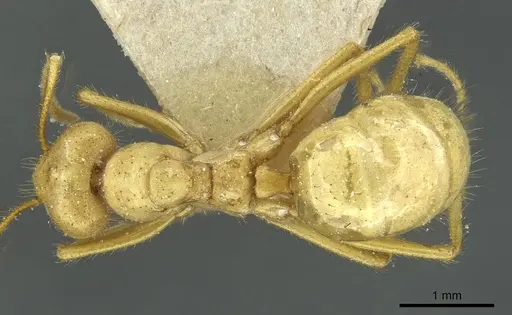
CASENT0917297
Ver en AntWeb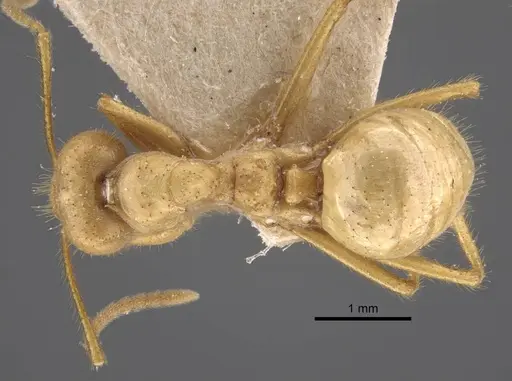
Literatura
Cargando mapa de distribución...Cargando productos...