
Polyrhachis subpilosa
- Nom. cient.
- Polyrhachis subpilosa
- Subgénero
- Myrma
- Tribu
- Camponotini
- Subfamilia
- Formicinae
- Autor
- Emery, 1895
- Distribución
- Encontrado en 0 países
Introducción
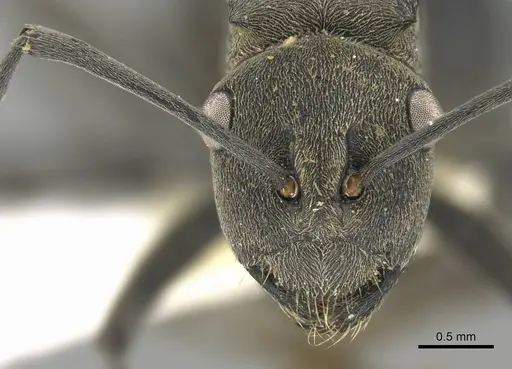
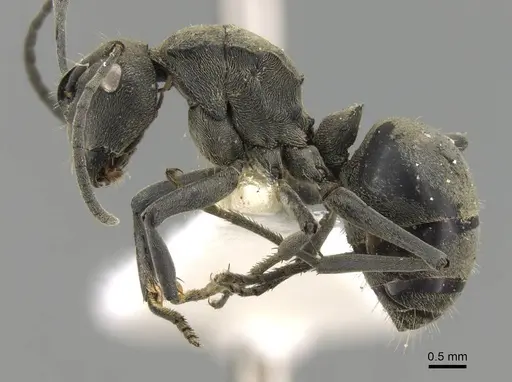
Polyrhachis subpilosa is a spiny ant in the subgenus Myrma. Workers have spines on the thorax. It is found in South and Southeast Asia, with records from India (Manipur), Myanmar, and southern China . The species was described from Myanmar in 1895 and revived from synonymy in 1925 . This ant belongs to the Formicinae subfamily, which lacks a functional sting and sprays formic acid as a defense mechanism.
Quick Summary
- Difficulty: Medium
- Origin & Habitat: Native to South and Southeast Asia, documented in India, Myanmar, and China. Inhabits tropical forests, nesting in soil or under stones [1][2][3].
- Colony Type: Unconfirmed, no specific data on queen number or social structure.
- Size & Growth:
- Queen: Size data unavailable, no total length measurements in research.
- Worker: Size data unavailable, no total length measurements in research.
- Colony: Estimated up to several hundred workers, inferred from genus patterns.
- Growth: Moderate
- Development: Estimated 6-8 weeks, inferred from related Formicinae species. (Development time is inferred, specific timing not documented for this species.)
- Antkeeping:
- Temperature: Keep warm, roughly 24-28°C, based on tropical distribution.
- Humidity: Keep nest substrate consistently moist but not waterlogged.
- Diapause: No, tropical species do not require diapause.
- Nesting: Use Y-tong, plaster, or soil nests with moisture access.
- Behavior: Workers are active foragers, not aggressive toward keepers but will defend the nest. They spray formic acid as a defense mechanism. Escape risk is moderate due to their size, standard barriers work well.
- Common Issues: colonies may fail if kept too dry, monitor humidity levels consistently, slow founding phase means new keepers may lose patience and disturb the queen, wild-caught colonies may carry parasites that can decimate the colony in captivity, overheating can be fatal, avoid temperatures above 32°C, insufficient escape prevention can lead to escapes despite their moderate size
Housing and Nest Setup
For founding colonies, use a test tube setup with water and cotton. For established colonies, Y-tong, plaster, or soil nests with moisture reservoirs work well. Provide a dark, humid chamber and an outworld for foraging. Place the nest in a stable, warm area away from direct sunlight. [3]
Feeding and Diet
These ants are omnivorous with a preference for protein. Offer small insects like fruit flies or mealworms twice weekly. Provide sugar sources like honey water occasionally. Remove uneaten food after 24-48 hours to prevent mold. Always provide clean water.
Temperature and Seasonal Care
Maintain temperatures around 24-28°C for optimal growth. A heating cable can create a gradient. Avoid temperatures above 32°C or below 18°C. No diapause is needed due to tropical origin. [1][2]
Colony Founding and Growth
Founding behavior is unconfirmed. If claustral, the queen would seal herself in and rely on fat reserves. First workers may emerge in 6-8 weeks. Colony growth is moderate, reaching up to several hundred workers over time.
Behavior and Defense
Workers are active and alert, foraging on ground and vegetation. They spray formic acid as a defense mechanism, typical of Formicinae ants. They are not highly aggressive but will protect the nest. Escape risk is moderate, use fluon barriers.
Frequently Asked Questions
How long does it take for Polyrhachis subpilosa to have first workers?
Expect first workers around 6-8 weeks after egg laying, assuming temperatures are 24-28°C. This is inferred from related species, as specific timing is not documented.
What do Polyrhachis subpilosa ants eat?
They are omnivorous but prefer protein. Feed small insects like fruit flies or mealworms twice weekly. Sugar sources can be offered occasionally.
Do Polyrhachis subpilosa ants need hibernation?
No, true hibernation is not required due to their tropical origin. They may show reduced activity in cooler months, but no diapause is needed.
What temperature is best for Polyrhachis subpilosa?
Keep them at 24-28°C for optimal growth. A temperature gradient is ideal. Avoid extremes above 32°C or below 18°C.
Are Polyrhachis subpilosa good for beginners?
They are rated medium difficulty. They require attention to humidity and temperature, and the founding phase can be slow.
How big do Polyrhachis subpilosa colonies get?
Estimated up to several hundred workers at maturity, based on genus patterns.
Can I keep multiple Polyrhachis subpilosa queens together?
Colony type is unconfirmed, but combining unrelated queens is not recommended as they may fight. Only one queen per colony is advised.
What type of nest is best for Polyrhachis subpilosa?
Y-tong, plaster, or soil nests with moisture work well. Test tubes are suitable for founding colonies.
Where is Polyrhachis subpilosa found in the wild?
Native to South and Southeast Asia, with records from India, Myanmar, and China. They inhabit tropical forests, nesting in soil or under stones [1][2][3].
Report an Issue
The current care sheet is based fully on literature. See inconsistencies, or something that's incorrect? Please , it will be resolved after review from an admin. Contributing to the blogs tab also helps providing information, to make us be able to further improve the caresheets. Thank you for your support!
References

Esta ficha de cuidados está bajo licencia CC BY-SA 4.0 .
Blogs de la comunidad
CASENT0905830
Ver en AntWeb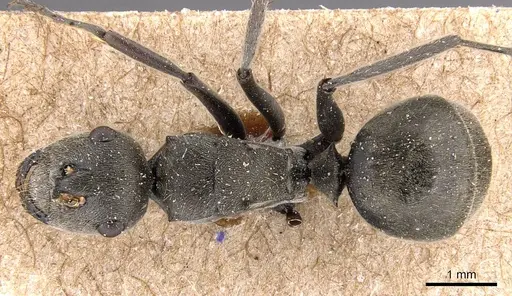
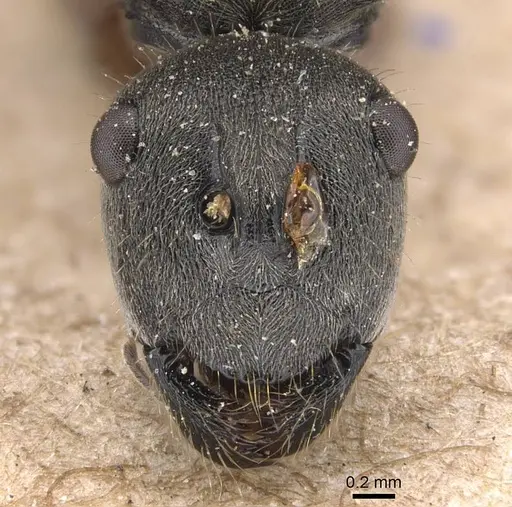
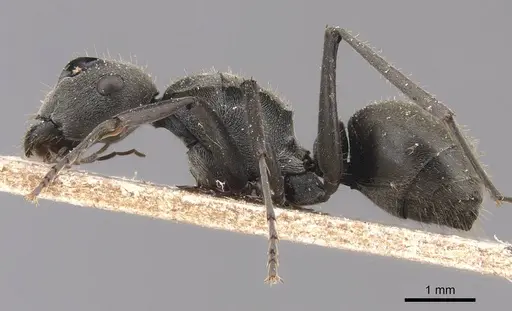
CASENT0906799
Ver en AntWeb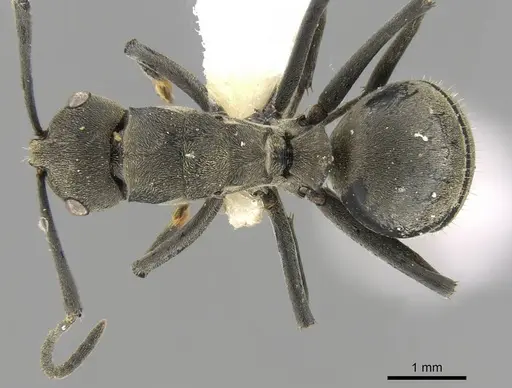
Literatura
Cargando mapa de distribución...Cargando productos...