
Polyrhachis paromala
- Nom. cient.
- Polyrhachis paromala
- Subgénero
- Myrmhopla
- Tribu
- Camponotini
- Subfamilia
- Formicinae
- Autor
- Smith, 1863
- Distribución
- Encontrado en 0 países
Introducción
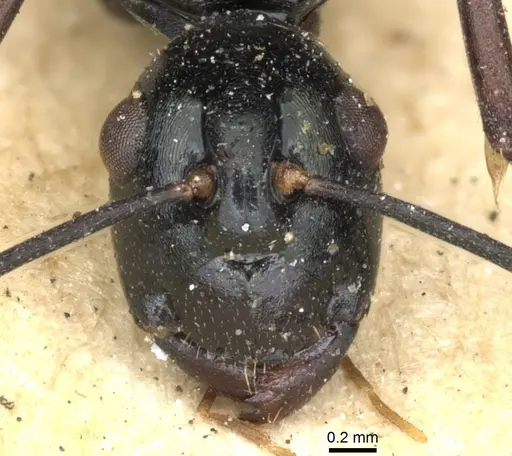
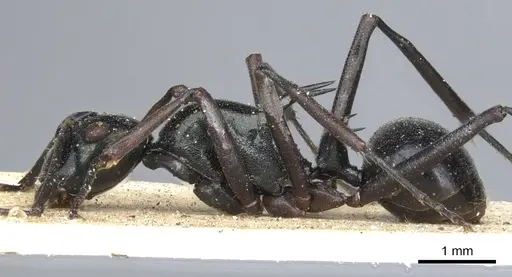
Polyrhachis paromala is a spiny ant belonging to the Myrmhopla subgenus (mucronata-group). Workers have distinctive spines on their thorax and are moderately sized. This species is found in tropical regions, likely Southeast Asia or northern Australia, and inhabits arboreal environments, nesting in trees and vegetation . Like other Polyrhachis species, they use silk to construct nests by binding leaves or plant material . The most interesting aspect is their unique silk-based nest construction, which allows them to create sheltered chambers in the canopy .
Quick Summary
- Difficulty: Medium
- Origin & Habitat: Based on genus distribution, likely from tropical regions such as Southeast Asia or northern Australia, inhabiting arboreal habitats [1][2].
- Colony Type: Colony structure is unconfirmed for this species. Based on Polyrhachis genus patterns, colonies are likely monogyne (single-queen), but this is not documented for Polyrhachis paromala.
- Size & Growth:
- Queen: Size data unavailable for this species. Inferred from Polyrhachis genus: ~10-12 mm.
- Worker: Size data unavailable for this species. Inferred from Polyrhachis genus: ~6-9 mm.
- Colony: Up to several hundred workers, estimated from genus patterns.
- Growth: Moderate
- Development: Estimated 6-8 weeks at tropical temperatures, inferred from genus patterns. (Development time is estimated from genus-level data as specific studies are not available.)
- Antkeeping:
- Temperature: Keep warm and stable, roughly 24-28°C, based on tropical arboreal habitat [1].
- Humidity: Provide moderate to high humidity, with substrate kept slightly moist but not waterlogged, based on arboreal nesting needs [1].
- Diapause: No diapause required, as this is a tropical species.
- Nesting: Arboreal setup with vertical space and climbing surfaces, using silk-bound nests [1].
- Behavior: Polyrhachis paromala is generally calm and not aggressive, based on genus patterns. They lack a sting and use formic acid spray for defense, typical of Formicinae. Workers are active foragers and diurnal.
- Common Issues: arboreal setup is essential, they will not thrive in ground-based nests., silk nest construction requires humidity, too dry and they cannot bind materials properly., tropical temperature requirements mean they cannot be kept in cool rooms., poor ventilation combined with high humidity leads to mold problems., wild-caught colonies may have parasites or diseases that are difficult to treat in captivity.
Housing and Nest Setup
Polyrhachis paromala requires an arboreal setup that mimics their natural canopy habitat. Unlike most ant species that nest in the ground, these ants need vertical space with climbing surfaces. A naturalistic setup works best, include branches, cork bark rounds, or artificial plants that they can use for nest construction. They will create silk-bound nests by binding together leaves or other materials with the silk produced by their larvae. Provide a humid outworld with good ventilation to prevent mold while maintaining the moisture they need for silk production. A test tube setup can work for founding colonies, but they will need to be moved to a more vertical enclosure as the colony grows. Avoid deep soil substrates, they prefer to nest in elevated locations rather than burrowing into ground material [1].
Feeding and Diet
Polyrhachis species are typically omnivorous. Offer sugar water or honey constantly, and feed small insects like fruit flies 2-3 times per week. Remove uneaten food after 24-48 hours to prevent mold. This diet is based on general Polyrhachis behavior patterns.
Temperature and Seasonal Care
As a tropical species, Polyrhachis paromala requires warm temperatures to thrive. Keep the enclosure at 24-28°C for optimal colony health and brood development. A heating cable placed on one side of the nest area can create a gentle temperature gradient. Avoid temperatures below 22°C for extended periods. They do not require hibernation or diapause.
Behavior and Observation
Polyrhachis paromala workers are active and engaging to watch. They are not particularly defensive and rarely show aggression toward keepers. The most distinctive behavior is their use of silk to construct nests, larvae produce silk that workers use to bind leaves, debris, or other materials together into protective chambers [1]. Workers will readily explore climbing structures and can be quite bold in searching for food. They are diurnal, with most activity occurring during daylight hours.
Colony Development and Growth
Colony growth in Polyrhachis paromala is moderate. A newly mated queen will seal herself into a small chamber and lay eggs after establishing her foundation. The first workers, called nanitics, are typically smaller than mature workers and emerge after 6-8 weeks at optimal temperatures. After the nanitics arrive, the colony enters a growth phase where brood production increases. The presence of cocoons is characteristic of this genus, the pupae are enclosed in protective silk cocoons during their development [1]. Mature colonies may reach several hundred workers over several years. Growth rate depends heavily on feeding quality and temperature consistency.
Frequently Asked Questions
Can I keep Polyrhachis paromala in a test tube setup?
Test tubes work for founding colonies but are not ideal long-term. As an arboreal species, they need vertical climbing space and materials to construct silk-bound nests [1]. Move them to a more naturalistic or vertical setup once the colony reaches 20-30 workers.
Do Polyrhachis paromala ants need hibernation?
No, they are tropical ants and do not require hibernation. Keep them warm year-round at 24-28°C. They remain active throughout the year in captivity.
How long does it take for first workers to emerge?
Expect first workers (nanitics) around 6-8 weeks after the queen lays eggs, assuming optimal temperatures of 25-28°C. Development is faster at warmer temperatures and slower if kept cool.
What is the best nest type for Polyrhachis paromala?
A naturalistic arboreal setup with branches, cork bark, or live plants works best. They need vertical climbing surfaces and humid conditions to construct their silk-bound nests [1]. Avoid ground-based formicariums.
How big do Polyrhachis paromala colonies get?
Based on typical Polyrhachis colony sizes, expect up to several hundred workers at maturity. Growth is moderate, taking several years to reach full colony size.
Why is my Polyrhachis paromala colony not growing?
Check temperature (should be 24-28°C), feeding frequency, and humidity levels. Poor growth is usually due to temperatures that are too low, insufficient protein in the diet, or overly dry conditions that prevent proper silk nest construction.
Report an Issue
The current care sheet is based fully on literature. See inconsistencies, or something that's incorrect? Please , it will be resolved after review from an admin. Contributing to the blogs tab also helps providing information, to make us be able to further improve the caresheets. Thank you for your support!
References

Esta ficha de cuidados está bajo licencia CC BY-SA 4.0 .
Blogs de la comunidad
CASENT0901818
Ver en AntWeb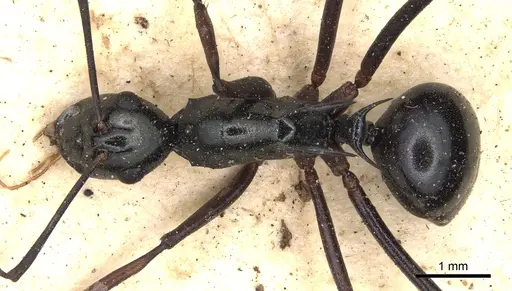
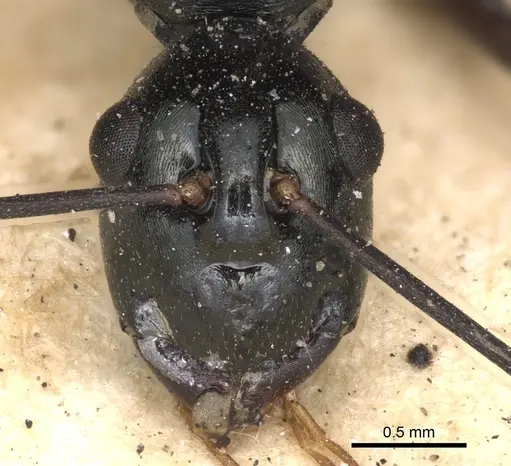
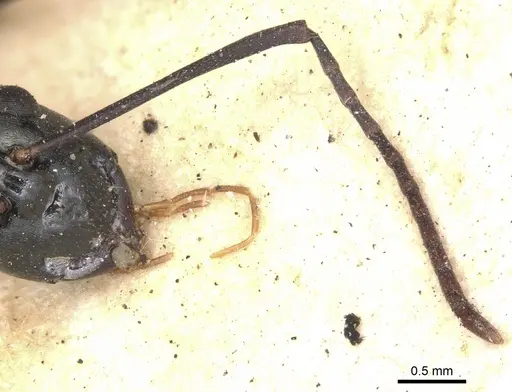
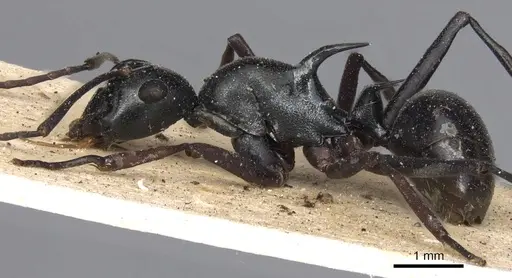
CASENT0903378
Ver en AntWeb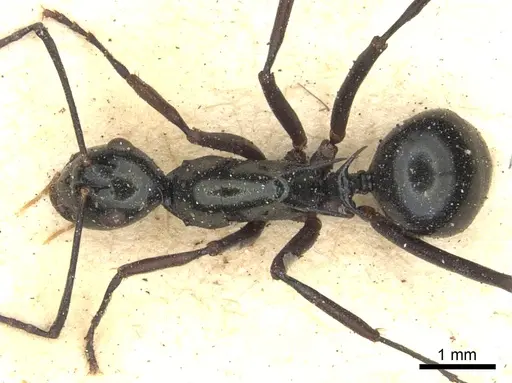
Literatura
Cargando mapa de distribución...Cargando productos...