
Polyrhachis ithona
- Nom. cient.
- Polyrhachis ithona
- Subgénero
- Myrma
- Tribu
- Camponotini
- Subfamilia
- Formicinae
- Autor
- Smith, 1860
- Distribución
- Encontrado en 0 países
Introducción
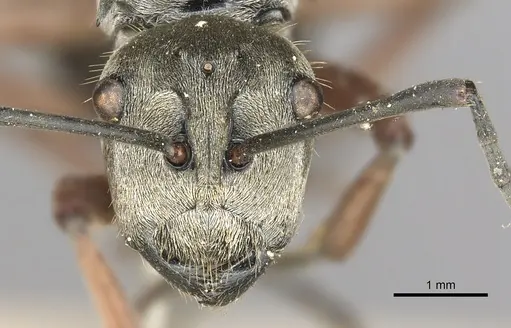
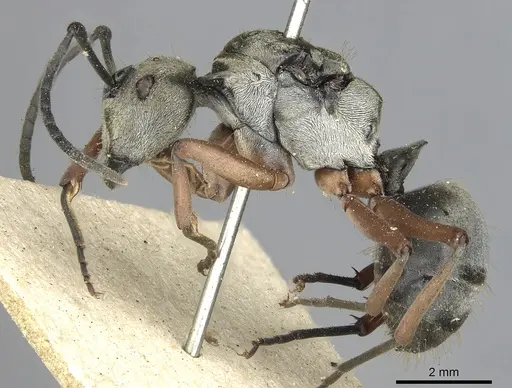
Polyrhachis ithona is a spiny ant in the Myrma subgenus and relucens species-group. Workers and queens are black with a glittering silvery pile, giving a fuzzy, metallic look. They have sharp spines on the prothorax and petiole node, with workers having longer thoracic spines than queens. Queens measure about 8.5 mm based on the original description of 4 lines, while workers are smaller. This species is found in the Australasian region, including the Moluccas (Bacan, Waigeo, Misool, Halmahera, Ternate islands), New Guinea, and the Solomon Islands (Makira, Guadalcanal) . This species is notable for its spiny defense, as they lack a functional sting and instead spray formic acid when threatened.
Quick Summary
- Difficulty: Medium
- Origin & Habitat: Tropical Australasian region, found in the Moluccas, New Guinea, and Solomon Islands in humid, forested areas [1][2][3]
- Colony Type: Colony structure is unconfirmed. Based on typical Polyrhachis patterns, likely single-queen (monogyne) colonies [6]
- Size & Growth:
- Queen: Approximately 8.5 mm [1]
- Worker: Size data unavailable [6]
- Colony: Up to several hundred workers, estimated from related species [6]
- Growth: Moderate, inferred from tropical Polyrhachis patterns [6]
- Development: Estimated 6-8 weeks at warm temperatures [6] (Development time is inferred from genus-level data since species-specific timing is unconfirmed.)
- Antkeeping:
- Temperature: Keep at 24-28°C. Inferred from tropical species patterns [6]
- Humidity: Keep substrate consistently moist but not waterlogged. Inferred from forest-dwelling habits [6]
- Diapause: No, tropical species does not require hibernation [6]
- Nesting: In nature, they nest in rotting wood or under bark. In captivity, use Y-tong or plaster nests with damp substrate [6]
- Behavior: Polyrhachis ithona is generally calm and not aggressive. They defend by spraying formic acid, as they lack a sting. Escape risk is moderate due to their size, standard barriers work well [6]
- Common Issues: tropical species needs constant warmth, cold temperatures can slow brood development, high humidity is essential, dry conditions cause colony decline, colonies may struggle if substrate dries out between waterings, limited availability in the antkeeping hobby means established colonies are uncommon, specific colony structure and founding behavior remain unstudied, some care aspects are based on genus patterns
Housing and Nest Setup
Polyrhachis ithona does well in a Y-tong (AAC) nest or a plaster formicarium. These ants need damp conditions, so choose a nest that holds moisture well. A test tube setup can work for founding colonies, but monitor humidity closely. The nest should have chambers sized appropriately for their colony size. Since they come from humid tropical forests, avoid dry setups or excessive ventilation that strips moisture from the nest [6]
Feeding and Diet
Polyrhachis ithona is an omnivore that accepts both sugar sources and protein. Offer sugar water, honey, or diluted syrup as a constant energy source. For protein, provide small insects like fruit flies, small crickets, or mealworms. Place food where they can easily find it. Feed protein 2-3 times per week depending on colony size, and keep sugar water available at all times. Remove uneaten food after 24-48 hours to prevent mold [6]
Temperature and Humidity
This is a tropical species that needs warmth. Keep the nest area at 24-28°C year-round. A heating cable placed on top of the nest can maintain stable temperatures. Humidity should stay high, the substrate should feel consistently damp but not have standing water. Check moisture levels regularly, especially in dry room conditions. Unlike temperate ants, these do not need a winter cooling period [6]
Behavior and Colony Care
Polyrhachis ithona is a relatively calm species. The spines on their thorax and petiole serve as defense, and they spray formic acid when threatened. Workers are active foragers that will search out food across the outworld. Colonies grow moderately, expect several months from founding to first workers, then steady growth if conditions are good. These ants do not require special lighting, but they do appreciate stable, warm, humid conditions. Escape prevention is standard, they are not particularly small or agile [6]
Frequently Asked Questions
How long does it take for Polyrhachis ithona to produce first workers?
From egg to first worker typically takes 6-8 weeks at warm tropical temperatures (around 26°C). This is an estimate based on related Polyrhachis species since species-specific development data is not available [6]
What temperature do Polyrhachis ithona ants need?
Keep them at 24-28°C year-round. This is a tropical species from Indonesia and Papua New Guinea that does not tolerate cool temperatures [6]
Do Polyrhachis ithona ants need hibernation?
No. As a tropical species, they do not require hibernation or winter cooling. Keep them warm and active year-round [6]
What do Polyrhachis ithona ants eat?
They are omnivores. Offer sugar water, honey, or syrup as a constant energy source. For protein, provide small insects like fruit flies, small crickets, or mealworms. Feed protein 2-3 times per week [6]
How big do Polyrhachis ithona colonies get?
Colony size is not specifically documented, but based on related Polyrhachis species, colonies likely reach up to several hundred workers. Growth is moderate, expect steady expansion over months to years [6]
What humidity level do Polyrhachis ithona need?
Keep substrate consistently moist but not waterlogged. These tropical forest ants need damp conditions to thrive [6]
Is Polyrhachis ithona good for beginners?
They are rated as medium difficulty. You need to maintain warm, humid tropical conditions year-round, which requires more attention than temperate species. However, they are calm and not difficult to feed [6]
Can I keep multiple Polyrhachis ithona queens together?
Colony structure is unconfirmed for this species. Most Polyrhachis are single-queen colonies. It is not recommended to combine unrelated foundress queens, as fighting is likely [6]
What type of nest is best for Polyrhachis ithona?
A Y-tong (AAC) nest or plaster formicarium works well. These hold moisture better than acrylic nests and suit their humidity needs. The nest should be appropriately sized for the colony size [6]
Report an Issue
The current care sheet is based fully on literature. See inconsistencies, or something that's incorrect? Please , it will be resolved after review from an admin. Contributing to the blogs tab also helps providing information, to make us be able to further improve the caresheets. Thank you for your support!
References

Esta ficha de cuidados está bajo licencia CC BY-SA 4.0 .
Blogs de la comunidad
CASENT0901837
Ver en AntWeb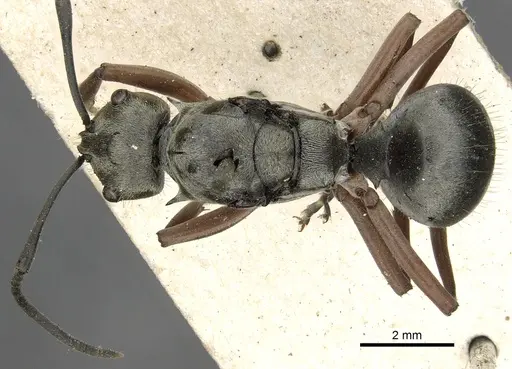
Literatura
Cargando mapa de distribución...Cargando productos...