
Polyrhachis hosei
- Nom. cient.
- Polyrhachis hosei
- Subgénero
- Myrma
- Tribu
- Camponotini
- Subfamilia
- Formicinae
- Autor
- Donisthorpe, 1942
- Distribución
- Encontrado en 0 países
Introducción
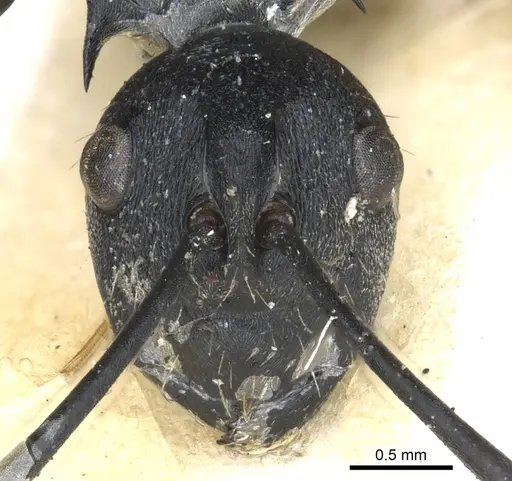
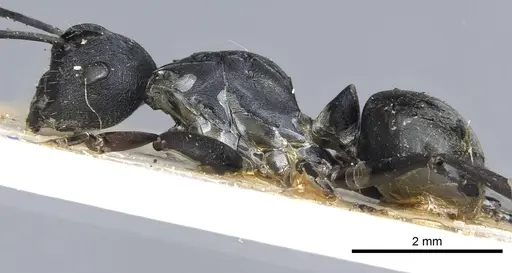
Polyrhachis hosei is a medium-sized ant in the subgenus Myrma, inermis species-group. Workers are dark with thoracic spines. It is found in Borneo, Indonesia, Malaysia, and Singapore, nesting in rotting wood in tropical forests . Size data is unavailable from research, but inferred from Polyrhachis genus as approximately 5-12 mm for workers and 8-12 mm for queens. A notable characteristic is that Polyrhachis hosei spins cocoons around its pupae, which is uncommon among Formicinae ants .
Quick Summary
- Difficulty: Medium
- Origin & Habitat: Native to Borneo, Indonesia, Malaysia, and Singapore in the Indomalaya region. In nature, these ants nest in rotting wood (lignicolous) in tropical forest habitats [1][3][2].
- Colony Type: Colony structure is unconfirmed for this specific species. Most Polyrhachis species are monogyne (single queen colonies), though some can be polygynous. Further research is needed to confirm the exact colony structure of P. hosei.
- Size & Growth:
- Queen: Unknown, inferred from Polyrhachis genus as approximately 8-12 mm
- Worker: Unknown, inferred from Polyrhachis genus as approximately 5-12 mm
- Colony: Up to several hundred workers, estimated from genus patterns
- Growth: Moderate, based on genus patterns
- Development: Unknown, estimates based on related Polyrhachis species suggest 6-10 weeks at tropical temperatures (Development time is unconfirmed for this specific species. As a tropical species, development is likely faster at warmer temperatures.)
- Antkeeping:
- Temperature: Keep warm and stable, roughly 24-28°C, based on tropical habitat inference [2]. A heating cable can help maintain temperatures if room is cool.
- Humidity: Keep the nest substrate consistently moist but not waterlogged, as they are lignicolous and adapted to humid environments [1].
- Diapause: No, as a tropical species from near the equator, they do not require hibernation. Maintain warm conditions year-round.
- Nesting: These ants naturally nest in rotting wood. In captivity, they do well in Y-tong nests, plaster nests with wood inserts, or naturalistic setups with rotting wood pieces [1][3].
- Behavior: Polyrhachis ants are generally calm and not aggressive toward keepers. They lack a functional sting and instead spray formic acid from an acidopore. Workers are medium-sized and can climb smooth surfaces, but escape risk is moderate due to their size.
- Common Issues: tropical species require consistent warmth, cold temperatures can slow or stop brood development, wood-nesting species need high humidity, dry conditions cause colony decline [1], escape prevention is important though not as critical as for tiny species, they can still squeeze through small gaps, limited availability in the antkeeping hobby means established colonies are rare, wild-caught colonies may carry parasites that can devastate captive colonies
Nest Preferences and Housing
Polyrhachis hosei is a lignicolous species, meaning it naturally nests in rotting wood [1][3]. In captivity, you should replicate this by providing a moist nest environment with wood components. Y-tong (AAC) nests work well because they allow you to maintain high humidity while providing a dark, secure chamber. Plaster nests with wood inserts are another excellent option, the wood provides the natural nesting substrate the ants expect, while the plaster helps maintain humidity. Naturalistic setups with pieces of rotting wood in a terrarium can also work, but require careful attention to moisture levels. Whatever nest type you choose, ensure the chambers are appropriately sized, Polyrhachis are medium-sized ants and need enough space for their colony to expand. Avoid completely dry nests, as these ants are adapted to the humid tropical environment of Borneo.
Temperature and Heating
Being native to tropical Borneo, Polyrhachis hosei requires warm conditions. Keep the nest area at roughly 24-28°C for optimal brood development, based on tropical habitat inference [2]. Room temperature alone may be sufficient if your home is naturally warm, but most keepers need to provide supplemental heating. A heating cable placed on top of the nest works well to maintain warmth. You can also use a heat mat on one side of the nest to create a temperature gradient, allowing the ants to self-regulate. Monitor with a digital thermometer placed at nest level. Cold temperatures will slow or stop brood development entirely, and prolonged cold exposure can kill the colony.
Humidity Requirements
High humidity is critical for this species. As a tropical wood-nesting ant from one of the world's rainforests, Polyrhachis hosei is adapted to consistently moist conditions. The nest substrate should feel damp to the touch but never waterlogged. Standing water in the nest can drown brood and lead to mold problems. For Y-tong nests, use a water reservoir that provides humidity without flooding the chambers. Check humidity levels daily and rehydrate the nest when you see the substrate drying or condensation disappearing. A digital hygrometer placed near the nest helps you monitor conditions accurately. [1]
Feeding and Diet
In the wild, Polyrhachis species are generalist foragers that feed on honeydew, nectar, and small insects. For your colony, offer a varied diet including sugar water or honey as a constant energy source, and protein sources like mealworms, small crickets, or other feeder insects. Feed protein prey 2-3 times per week, adjusting based on colony size and consumption. Remove any uneaten prey after 24-48 hours to prevent mold. While specific acceptance data for P. hosei is not documented, Polyrhachis species typically accept a wide range of foods. Observe your colony's preferences and adjust feeding accordingly. Fresh water should always be available.
Growth and Development
Polyrhachis hosei produces cocooned pupae, which is notable as many Formicinae species have naked pupae [1]. This means you'll see white cocoons in the nest rather than the glossy, uncovered pupae typical of some other ant genera. The development timeline for this specific species is unconfirmed, but based on related Polyrhachis species, you can expect 6-10 weeks from egg to worker at optimal tropical temperatures. Queens are likely claustral founders, sealing themselves in a chamber and surviving on stored fat reserves until the first workers (nanitics) emerge. The first workers will be smaller than mature workers but should quickly grow as the colony expands. Growth rate is moderate, not the fastest species, but steady with proper care.
Frequently Asked Questions
How long does it take for Polyrhachis hosei to produce first workers?
The exact timeline is unconfirmed for this species, but based on related Polyrhachis species, expect 6-10 weeks from egg to first worker at optimal temperatures of 24-28°C. Be patient, tropical species often develop faster than temperate species, but individual colonies can vary.
What temperature do Polyrhachis hosei ants need?
Keep them warm at roughly 24-28°C, based on their tropical habitat [2]. As a species from Borneo, they need consistent warmth year-round. A heating cable or heat mat on one side of the nest can help maintain these temperatures.
Do Polyrhachis hosei ants need hibernation?
No. Being from tropical Borneo near the equator, they do not require hibernation or any winter cooling period. Maintain warm, tropical conditions throughout the year.
What do Polyrhachis hosei ants eat?
They are generalists. Offer sugar water or honey as a constant energy source, and protein prey like mealworms, small crickets, or other feeder insects 2-3 times per week. Remove uneaten prey after a day or two.
What type of nest is best for Polyrhachis hosei?
They are lignicolous (wood-nesting), so Y-tong nests or plaster nests with wood inserts work well. The key is providing a moist, dark environment that mimics their natural rotting wood habitat [1]. Avoid completely dry nests.
Are Polyrhachis hosei ants aggressive?
Polyrhachis species are generally calm and not particularly aggressive toward keepers. They lack a functional sting and spray formic acid instead. They are more likely to retreat than to attack when disturbed, but will defend their nest if threatened.
How big do Polyrhachis hosei colonies get?
The maximum colony size is unconfirmed for this specific species, but based on typical Polyrhachis patterns, colonies can reach up to several hundred workers. They are not among the largest ant species but can still form substantial colonies.
Can I keep multiple queens together in one colony?
The colony structure for P. hosei specifically is unconfirmed. Most Polyrhachis species are monogyne (single queen), but some can be polygynous. Without specific data for this species, it is not recommended to combine unrelated queens.
Is Polyrhachis hosei a good species for beginners?
This species is rated as Medium difficulty. While not the most challenging species, it does require specific conditions, high humidity and warm tropical temperatures year-round. If you can maintain these consistently, it can be a rewarding species to keep.
Report an Issue
The current care sheet is based fully on literature. See inconsistencies, or something that's incorrect? Please , it will be resolved after review from an admin. Contributing to the blogs tab also helps providing information, to make us be able to further improve the caresheets. Thank you for your support!
References

Esta ficha de cuidados está bajo licencia CC BY-SA 4.0 .
Blogs de la comunidad
CASENT0903429
Ver en AntWeb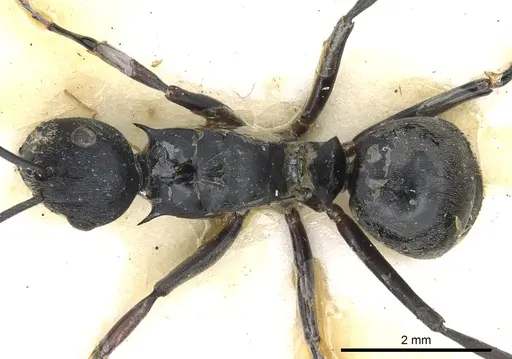
Literatura
Cargando mapa de distribución...Cargando productos...