
Polyrhachis fulakora
- Nom. cient.
- Polyrhachis fulakora
- Subgénero
- Cyrtomyrma
- Tribu
- Camponotini
- Subfamilia
- Formicinae
- Autor
- Mann, 1919
- Distribución
- Encontrado en 0 países
Introducción
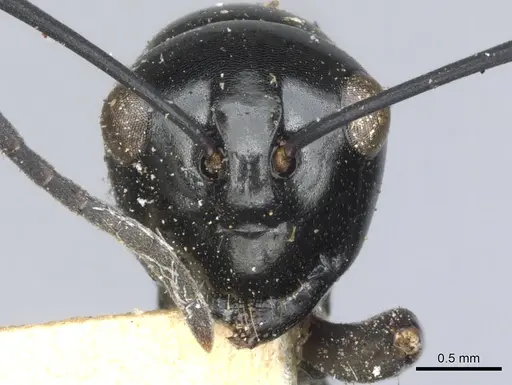
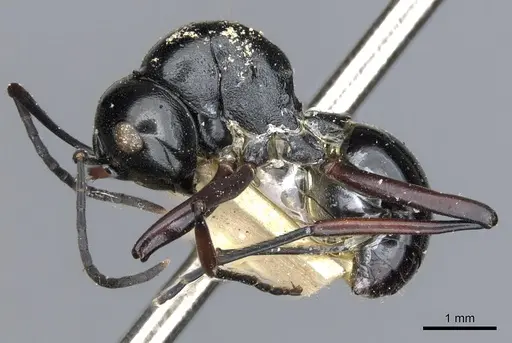
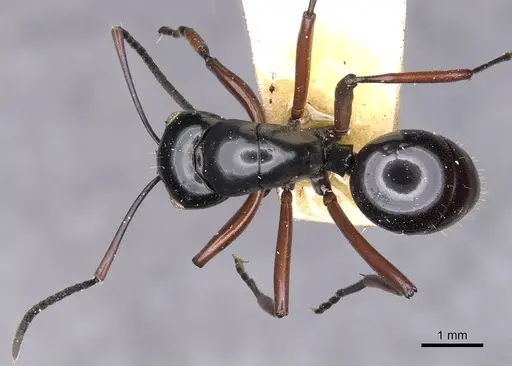
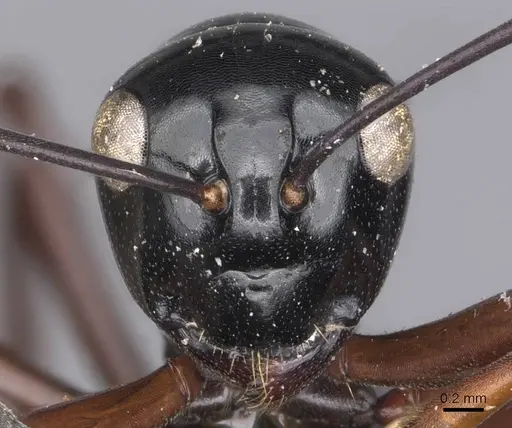
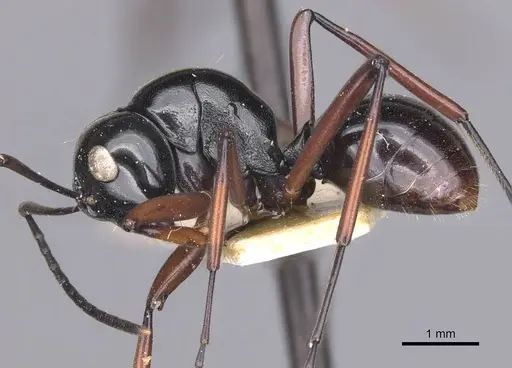
Polyrhachis fulakora is a medium-sized ant species endemic to the Solomon Islands. Workers measure approximately 6.5 mm in total length and have a dark reddish-brown body with notably dark legs, well-developed lateral spines on the petiole, and a pronotal dorsum broadest at the middle . This species is recorded from islands including Makira, Guadalcanal, and Ysabel . Polyrhachis fulakora was raised to full species status in 2006 and remains poorly studied, with no published information on its biology, colony structure, or captive care requirements .
Quick Summary
- Difficulty: Hard
- Origin & Habitat: Solomon Islands (Makira, Guadalcanal, Ysabel), tropical island environment [3]
- Colony Type: Unconfirmed, colony structure has not been documented
- Size & Growth:
- Antkeeping:
- Temperature: Keep warm, roughly 24-28°C, based on tropical climate
- Humidity: Keep nest substrate consistently moist but not waterlogged, based on tropical environment
- Diapause: No, tropical species do not hibernate
- Nesting: Unknown, no data on natural nesting habits. Provide a versatile setup with vertical elements if needed.
- Behavior: Not documented in scientific literature. Based on genus patterns, Polyrhachis ants are typically less aggressive. Workers are 6.5 mm, so escape prevention should be moderate, use Fluon on rims but avoid overcomplication.
- Common Issues: all care recommendations are estimates due to lack of species-specific data, tropical species may be sensitive to temperature drops below 22°C, humidity requirements are unconfirmed, start moderate and observe colony response, wild-caught colonies may have parasites or diseases since no captive breeding data exists
Species Background and Identification
Polyrhachis fulakora was first described by W.M. Mann in 1919 as a variety of Polyrhachis rastellata and raised to full species status by R.J. Kohout in 2006 based on consistent color differences and morphological features [2]. Workers are approximately 6.5 mm in total length, with a dark reddish-brown body, dark legs, well-developed acute lateral petiolar spines, and a pronotal dorsum broadest at the middle [2][1]. This distinguishes it from similar species like P. ugiensis and P. johnsoni [2].
Natural Habitat and Distribution
Polyrhachis fulakora is endemic to the Solomon Islands, recorded from Ysabel (type locality), Makira, and Guadalcanal [3][2]. The Solomon Islands have a tropical rainforest climate with high year-round temperatures and humidity, and no true winter [3].
Nest Preferences and Housing
The natural nesting habits of Polyrhachis fulakora are unknown. For captive care, provide a versatile setup that can accommodate potential nesting behaviors. Use Y-tong or plaster nests with vertical elements if needed, and ensure adequate ventilation to prevent mold.
Temperature and Climate Requirements
As a Solomon Islands endemic, this species requires warm conditions. Aim for temperatures around 24-28°C, based on the tropical climate of its origin. Avoid prolonged exposure to temperatures below 22°C.
Feeding and Diet
The natural diet is undocumented. Based on genus patterns, offer a sugar source like honey water consistently and protein such as small insects 1-2 times per week. Remove uneaten prey after 24-48 hours to prevent mold.
Colony Development and Growth
No specific development data exists. Based on typical tropical ant patterns, expect slow to moderate growth. Do not disturb founding queens for at least 4-6 weeks. Once workers emerge, introduce food gradually.
Behavior and Temperament
Specific behavior is not studied. Polyrhachis ants are generally less aggressive. Workers are 6.5 mm, so standard escape prevention like Fluon on rims is sufficient. Observe colony response to adjust care.
Frequently Asked Questions
How long does it take for Polyrhachis fulakora queens to lay their first eggs?
This is unknown for this species. No data exists on egg-laying timelines.
What do Polyrhachis fulakora ants eat?
The diet is not documented. Offer sugar sources like honey water and protein such as small insects, based on genus patterns.
Do Polyrhachis fulakora ants need hibernation?
No. This tropical species does not hibernate, as the Solomon Islands have no winter.
How big do Polyrhachis fulakora colonies get?
Colony size is unknown, no scientific data exists on maximum size.
Is Polyrhachis fulakora good for beginners?
This species is not recommended for beginners due to the complete lack of documented care information. Experienced keepers who can adapt to unknown parameters may have better success.
What temperature should I keep Polyrhachis fulakora at?
Keep the nest at roughly 24-28°C, based on its tropical origin.
Can I keep multiple Polyrhachis fulakora queens together?
Colony structure is unconfirmed. Do not combine unrelated foundress queens, as this has not been studied and may result in fighting.
What type of nest should I use for Polyrhachis fulakora?
Natural nesting habits are unknown. Provide a versatile setup like Y-tong or plaster nests with vertical elements if needed.
Why is there so little information about this ant species?
Polyrhachis fulakora is endemic to the Solomon Islands and was raised to species status in 2006. It is rarely collected and has received little scientific attention [2].
Report an Issue
The current care sheet is based fully on literature. See inconsistencies, or something that's incorrect? Please , it will be resolved after review from an admin. Contributing to the blogs tab also helps providing information, to make us be able to further improve the caresheets. Thank you for your support!
References

Esta ficha de cuidados está bajo licencia CC BY-SA 4.0 .
Blogs de la comunidad
CASENT0903414
Ver en AntWeb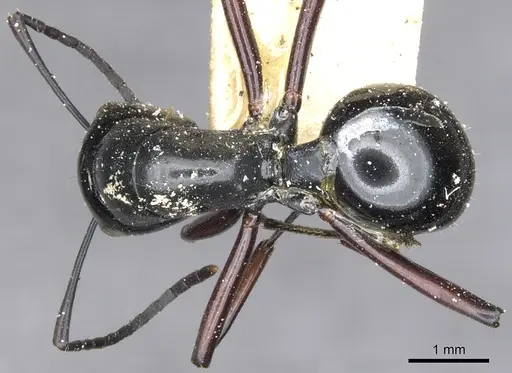
CASENT0905542
Ver en AntWeb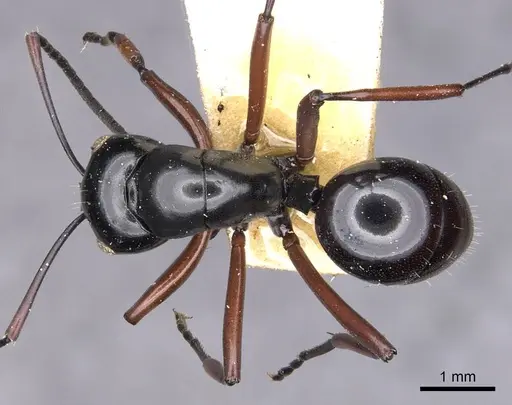
Literatura
Cargando mapa de distribución...Cargando productos...