
Polyrhachis diaphanta
- Nom. cient.
- Polyrhachis diaphanta
- Subgénero
- Myrmhopla
- Tribu
- Camponotini
- Subfamilia
- Formicinae
- Autor
- Smith, 1861
- Distribución
- Encontrado en 0 países
Introducción
Polyrhachis diaphanta is a medium-sized ant from the Formicinae subfamily, belonging to the *Polyrhachis armata* species group . Workers are estimated at about 5–7 mm based on genus patterns, with a dark brown to black body and lighter yellowish or reddish legs and antennae. They are native to the Indonesian island of Sulawesi, where they live in natural tropical forests between 230–1180 meters elevation . As a tropical species, *Polyrhachis diaphanta* stays active year‑round and prefers warm, humid conditions. Workers are active foragers that hunt small insects and also collect honeydew. Their nesting habits are not documented, but many *Polyrhachis* species nest in rotting wood or under bark.
Quick Summary
- Difficulty: Medium
- Origin & Habitat: Sulawesi, Indonesia – tropical natural forests at 230–1180 m elevation [1][2][3]
- Colony Type: Based on typical *Polyrhachis* patterns, likely monogyne (single queen colonies). Colony size probably reaches several hundred workers at maturity.
- Size & Growth:
- Queen: Size data unavailable for this species, inferred from the *Polyrhachis* genus at about 8–10 mm.
- Worker: Size data unavailable, inferred from the *Polyrhachis* genus at about 5–7 mm.
- Colony: Probably several hundred workers – estimated from genus patterns.
- Growth: Moderate – typical for tropical Formicinae
- Development: Estimated 6–8 weeks at 24–28 °C, based on related Formicinae. (Development time is inferred from genus‑level data, specific timing unconfirmed for this species.)
- Antkeeping:
- Temperature: Keep at 24–28 °C. A heating cable on one side of the nest creates a gradient. Avoid temperatures below 22 °C for extended periods.
- Humidity: Keep the nest substrate consistently moist but not waterlogged. Mist regularly to maintain high humidity. Provide a water tube.
- Diapause: No – tropical species that remains active year‑round. No hibernation required.
- Nesting: Prefers humid, naturalistic setups. A Y‑tong (AAC) nest with a moisture reservoir works well, or a naturalistic terrarium with rotting wood and soil. Provide climbing structures for semi‑arboreal activity.
- Behavior: Polyrhachis diaphanta workers are active foragers that search for small insects and sugar sources. They are moderately aggressive when defending the colony – they bite and spray formic acid (no functional stinger). Workers are agile climbers, so standard escape barriers are needed.
- Common Issues: high humidity needs can cause mold if ventilation is poor – ensure airflow, lack of specific care data means you must start with genus‑typical conditions and adjust, tropical species are sensitive to temperature drops – keep consistently warm, slow colony growth means less tolerance for mistakes – be patient, wild‑caught colonies may carry parasites, quarantine new stock
Housing and Nest Setup
Polyrhachis diaphanta does well in setups that replicate its natural forest habitat. A Y‑tong (AAC) nest with a built‑in water reservoir works well for maintaining humidity. Alternatively, use a naturalistic terrarium with a soil substrate and pieces of rotting wood. Because many *Polyrh
Report an Issue
The current care sheet is based fully on literature. See inconsistencies, or something that's incorrect? Please , it will be resolved after review from an admin. Contributing to the blogs tab also helps providing information, to make us be able to further improve the caresheets. Thank you for your support!
References

Esta ficha de cuidados está bajo licencia CC BY-SA 4.0 .
Blogs de la comunidad
CASENT0901866
Ver en AntWeb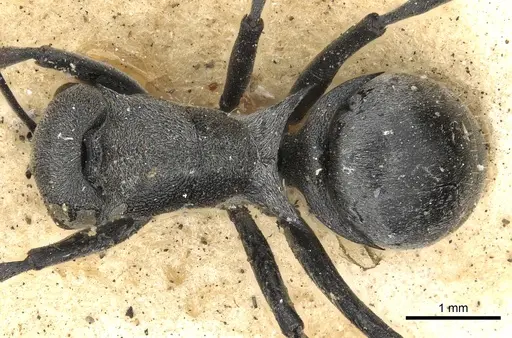
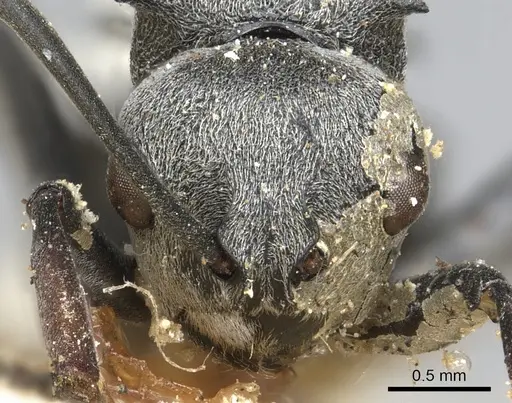
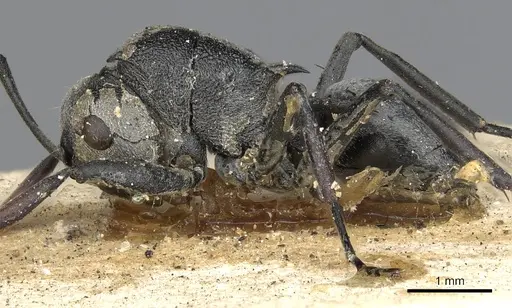
Literatura
Cargando mapa de distribución...Cargando productos...