
Pogonomyrmex santschii
- Nom. cient.
- Pogonomyrmex santschii
- Tribu
- Pogonomyrmecini
- Subfamilia
- Myrmicinae
- Autor
- Johnson, 2021
- Distribución
- Encontrado en 0 países
Introducción
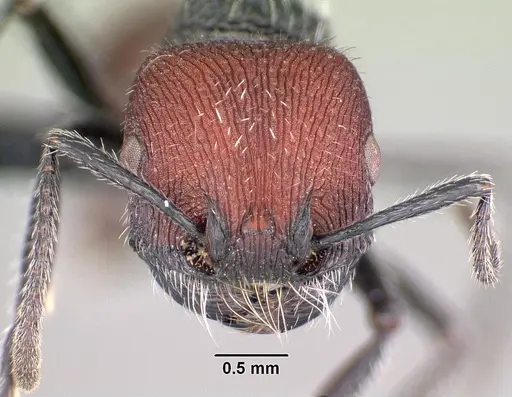
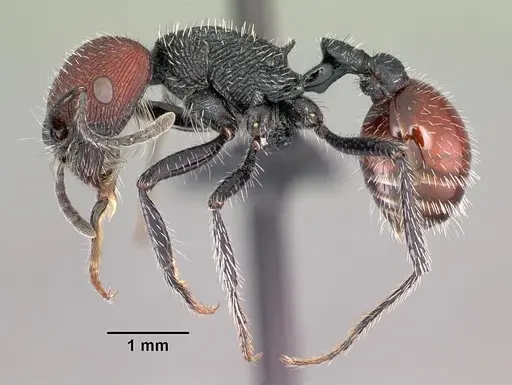
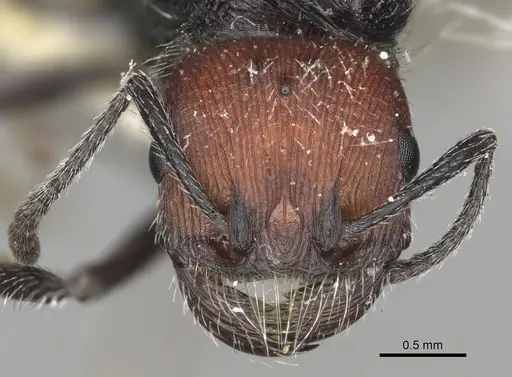
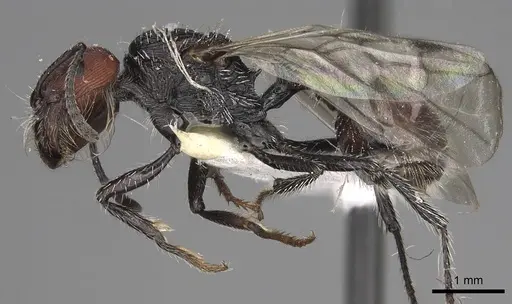
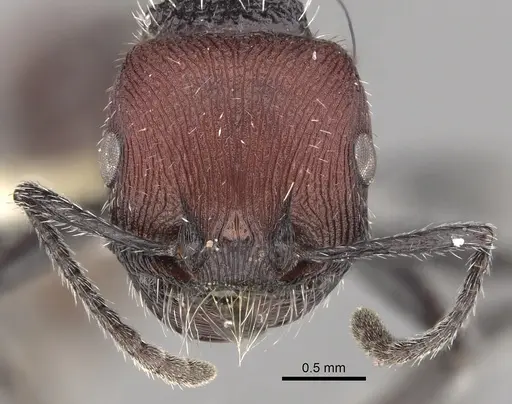
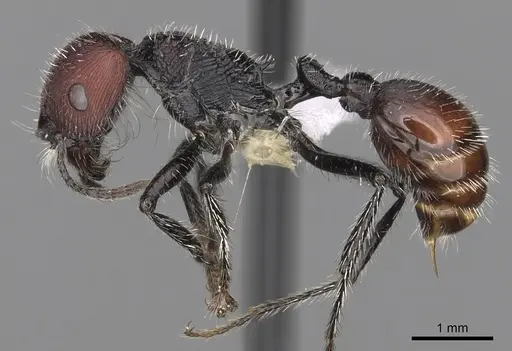
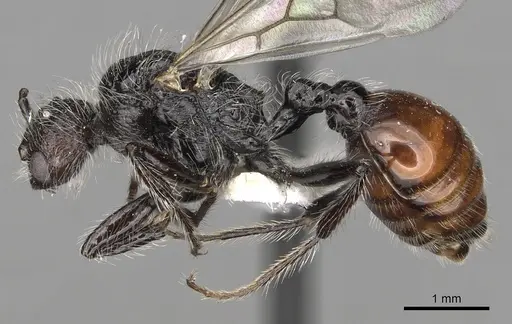
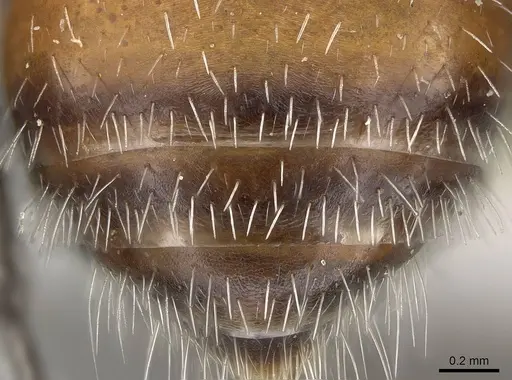
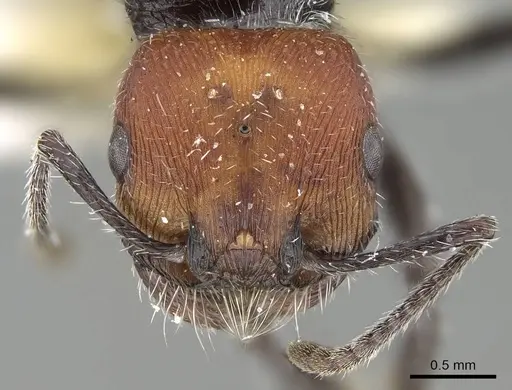
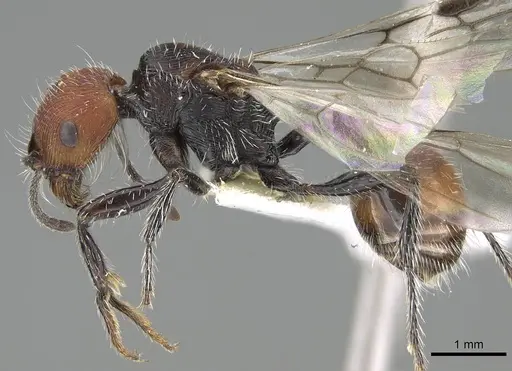
Pogonomyrmex santschii is a medium-sized seed-harvester ant native to southern South America. Workers have a black mesosoma and ferruginous orange to reddish-orange head and gaster, with the first gastral tergum lacking striae and moderately long propodeal spines . This species inhabits the Lower Monte and Patagonian steppe ecoregions of Argentina and Chile . Based on Pogonomyrmex genus patterns, workers have a total length of approximately 6-8 mm. As a seed-harvester, they collect and process seeds as their primary food source. This species is known for its defensive sting and seed-harvesting behavior, making it a challenging species for antkeepers.
Quick Summary
- Difficulty: Medium
- Origin & Habitat: Native to Argentina and Chile, specifically the Lower Monte and Patagonian steppe ecoregions [1][2].
- Colony Type: Based on Pogonomyrmex genus patterns, likely monogyne (single-queen) colonies.
- Size & Growth:
- Queen: ~6-8 mm, inferred from Pogonomyrmex genus
- Worker: ~6-8 mm, inferred from Pogonomyrmex genus
- Colony: Up to several thousand workers, estimated from genus patterns
- Growth: Moderate
- Development: Estimated 6-10 weeks based on related Pogonomyrmex species patterns (Development time is inferred from genus patterns, specific timing for this species is not documented)
- Antkeeping:
- Temperature: Keep at moderate temperatures, roughly 22-26°C, based on the species' arid habitat.
- Humidity: Keep the nest relatively dry with minimal moisture, as this species is adapted to arid regions.
- Diapause: Unknown, research does not specify diapause requirements for this species.
- Nesting: Natural nesting in soil in arid areas. In captivity, use Y-tong or test tube setups with dry conditions.
- Behavior: Defensive and will sting if threatened. Seed-harvesters that actively forage for seeds. Moderately active foragers, with potential for aggression when defending the nest.
- Common Issues: sting pain when handling, use care when interacting with the colony., overheating risk, keep temperatures within moderate range to avoid stress., improper diapause conditions, if diapause is needed, incorrect temperatures can harm the colony., seed storage management, ensure fresh seeds are available and remove moldy seeds.
Nest Preferences and Setup
Pogonomyrmex santschii naturally nests in soil in arid to semi-arid open areas [1]. In captivity, they do well in Y-tong (AAC) nests or test tube setups. The nesting area should be kept relatively dry to match their natural habitat. Provide a separate outworld for foraging with access to seeds.
Feeding and Diet
As seed-harvester ants, the primary diet should consist of various seeds. Offer a mix of grass seeds, millet, flax, and other small seeds. Supplement with protein sources like small insects a few times per week. Fresh water should always be available.
Temperature and Seasonal Care
Maintain nest temperatures around 22-26°C with a slight gradient if possible. During summer months, room temperature within this range is typically suitable. Diapause requirements are unknown for this species, so monitor colony behavior for signs of seasonal changes.
Behavior and Defense
Pogonomyrmex santschii workers are defensive and will attack if the nest is disturbed. They possess a potent sting that causes significant pain, characteristic of the Pogonomyrmex genus [2]. Handle with care and use appropriate escape prevention since they can climb surfaces.
Frequently Asked Questions
How long does it take for Pogonomyrmex santschii to produce first workers?
The development time for this species is not documented in the available research.
What do I feed Pogonomyrmex santschii?
Their primary food is seeds, offer various small seeds. Supplement with protein from small insects a few times per week.
Do Pogonomyrmex santschii need hibernation?
Research does not specify diapause requirements for this species.
Can I keep multiple Pogonomyrmex santschii queens together?
This species likely has single-queen colonies, so keeping multiple queens together is not recommended.
What humidity level do Pogonomyrmex santschii need?
Keep the nest relatively dry, as this species is adapted to arid regions.
Are Pogonomyrmex santschii good for beginners?
They are rated as medium difficulty due to their sting and specific care needs.
When should I move Pogonomyrmex santschii to a formicarium?
Once the colony has 20-30 workers and shows seed storage behavior, consider moving to a larger setup.
How big do Pogonomyrmex santschii colonies get?
Colonies can reach several thousand workers over several years based on genus patterns.
What temperature range is ideal for Pogonomyrmex santschii?
Keep at 22-26°C with a slight gradient, based on the species' arid habitat.
Report an Issue
The current care sheet is based fully on literature. See inconsistencies, or something that's incorrect? Please , it will be resolved after review from an admin. Contributing to the blogs tab also helps providing information, to make us be able to further improve the caresheets. Thank you for your support!
References

Esta ficha de cuidados está bajo licencia CC BY-SA 4.0 .
Blogs de la comunidad
CASENT0102691
Ver en AntWeb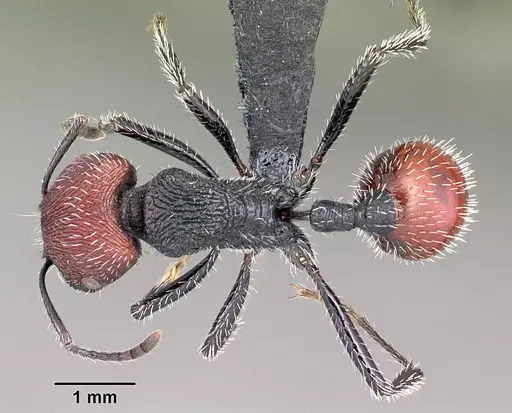
CASENT0281098
Ver en AntWeb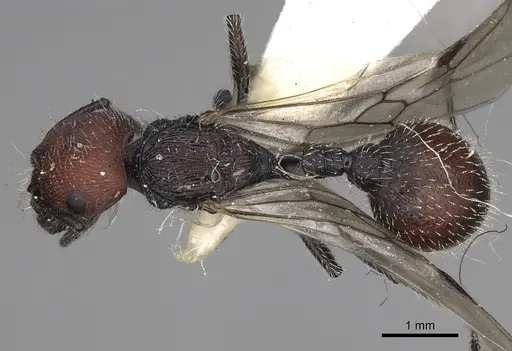
CASENT0281099
Ver en AntWeb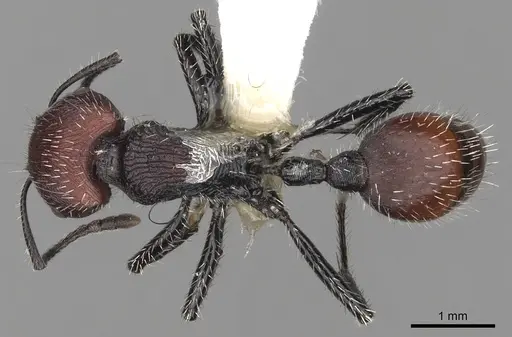
CASENT0281106
Ver en AntWeb
CASENT0922093
Ver en AntWeb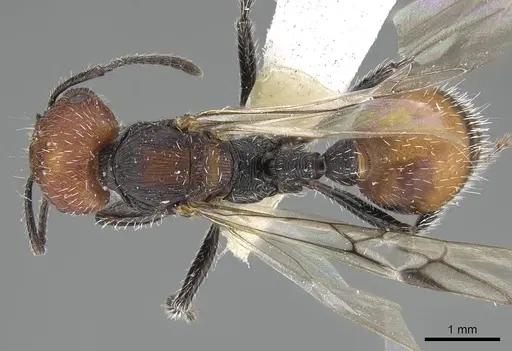
Literatura
Cargando mapa de distribución...Cargando productos...