
Podomyrma keysseri
- Nom. cient.
- Podomyrma keysseri
- Tribu
- Crematogastrini
- Subfamilia
- Myrmicinae
- Autor
- Viehmeyer, 1914
- Distribución
- Encontrado en 0 países
Introducción
Podomyrma keysseri is a small ant species native to New Guinea, described by Viehmeyer in 1914. Size data is unavailable from literature. It is part of the Myrmicinae subfamily and nests in living branches, as documented in a 2015 study . Distribution is limited to the Australasian region, specifically New Guinea . This species is myrmecophytic, meaning it lives in association with plants by nesting in living branches and hollow twigs . It was found occupying 67 trees across all successional stages in a New Guinea mountain forest, indicating adaptability to various habitats .
Quick Summary
- Difficulty: Unknown
- Origin & Habitat: New Guinea (Australasian region), myrmecophytic species nesting in living tree branches [1][2]
- Colony Type: Unconfirmed, colony structure has not been documented
- Size & Growth:
- Queen: Size data unavailable
- Worker: Size data unavailable
- Colony: Unknown
- Growth: Unknown
- Development: Unknown, development timeline unstudied (No direct data available.)
- Antkeeping:
- Temperature: Start around 24-28°C and observe based on tropical habitat
- Humidity: Keep nest substrate consistently moist but not waterlogged
- Diapause: No winter diapause required for tropical species
- Nesting: Myrmecophytic nesting in living branches suggests need for arboreal-style setup. Y-tong nests or vertical setups with small chambers may work. Provide small dead twigs/branches in naturalistic setups. Avoid fully terrestrial setups. [1]
- Behavior: Behavior is unstudied. As a tree-nesting myrmecophytic species, they likely have moderate foraging activity and may tend honeydew-producing insects. Defense mechanism is smear-based, typical for Crematogastrini tribe, but no specific stinging reports available. Escape risk is unknown but likely moderate for small ants.
- Common Issues: very limited scientific data makes care recommendations largely speculative, no confirmed information on diet or feeding preferences, colony founding behavior is unconfirmed, winter/diapause requirements are unknown, availability in antkeeping trade is extremely rare
Species Overview
Podomyrma keysseri is a rare and poorly documented ant species from New Guinea. The genus Podomyrma contains about 40 described species, most of which are found in the Australasian region. This particular species was described in 1914 from worker specimens, but scientific interest in its biology has remained limited. What we do know is that it is a myrmecophytic species, meaning it lives in close association with plants, specifically nesting within living branches and hollow twigs [1]. A 2015 study found this species occupying 67 trees across different forest successional stages in a New Guinea mountain forest, indicating it is adaptable to various forest habitats [1]. Unfortunately, no further biological details have been documented in available scientific literature.
Natural Habitat and Nesting
In the wild, Podomyrma keysseri nests exclusively in living tree branches, making it a true arboreal ant species. The 2015 study in New Guinea mountain forests found them occupying trees across all three successional forest stages, from young regrowth to mature forest [1]. This suggests some flexibility in habitat preferences, though they clearly require access to living plant material for nesting. Unlike ground-nesting ants, they do not nest in soil or under stones. In captivity, this means you would need to provide vertical space and small-diameter channels or twigs that mimic their natural branch-nesting behavior. Y-tong style nests with narrow chambers or naturalistic setups with small branches work best.
Temperature and Humidity
As a tropical species from New Guinea, Podomyrma keysseri likely requires warm and humid conditions. Aim for temperatures around 24-28°C and keep humidity high but not waterlogged. Since they nest in living plant material, the nest should remain consistently moist. Avoid temperature drops below 20°C and keep them away from air conditioning or cold drafts. Heating cables should be used carefully, place on the top of the nest if needed, and monitor for excessive drying.
Feeding and Diet
The diet of Podomyrma keysseri has not been documented in scientific literature. As a myrmecophytic species that nests in living branches, they likely have access to honeydew from sap-sucking insects and may also forage for small insects. In captivity, you should offer a varied diet including sugar water or honey as an energy source, and small protein sources like fruit flies, pinhead crickets, or other tiny insects. Start with small amounts and observe what they accept. Since their natural diet is unconfirmed, some experimentation may be needed. Always provide fresh water.
Colony Establishment and Growth
Founding behavior is unconfirmed for Podomyrma keysseri. Like most Myrmicinae, they may be claustral, but this is not documented for this species. Colony size in the wild is unknown. Given their tree-nesting habits and the findings from the 2015 study showing multiple tree occupancy, colonies may maintain multiple nest sites within their territory. In captivity, start with a simple founding setup (test tube or small nest) and expand as the colony grows.
Frequently Asked Questions
How do I keep Podomyrma keysseri ants?
This species is extremely rare in the antkeeping hobby with almost no documented captive colonies. Based on its natural history as a tree-nesting myrmecophytic ant from New Guinea, you would need a warm, humid setup with small vertical spaces or branches for nesting. Y-tong nests with narrow chambers or naturalistic arboreal setups work best. However, this species is virtually unavailable and we have very little confirmed care information.
What do Podomyrma keysseri eat?
Their natural diet is unconfirmed. As a myrmecophytic species nesting in living branches, they likely feed on honeydew from insects and small arthropods. In captivity, offer sugar water or honey for energy and small insects like fruit flies for protein. Experiment to see what they accept.
Do Podomyrma keysseri ants sting?
Stinging behavior has not been documented for this species. The defense mechanism is smear-based, typical for Crematogastrini tribe, but no specific reports exist. Use standard antkeeping precautions.
What temperature do Podomyrma keysseri ants need?
As a tropical species from New Guinea, aim for 24-28°C. Avoid temperatures below 20°C. They likely do not require any cooling period or hibernation.
How big do Podomyrma keysseri colonies get?
Colony size is unknown, no scientific data exists on maximum colony size for this species. The 2015 study found them across 67 trees, suggesting colonies may maintain multiple nest sites.
Is Podomyrma keysseri a good beginner ant?
No. This species is not recommended for beginners. There is almost no documented captive care information, they are virtually unavailable in the antkeeping trade, and their specific requirements as a tree-nesting species are poorly understood. Consider more established species like Lasius, Camponotus, or Messor for beginner antkeepers.
Where is Podomyrma keysseri found?
Podomyrma keysseri is native to New Guinea in the Australasian region. It was described from specimens collected there in 1914 and has been documented in mountain forest studies.
Can I keep multiple Podomyrma keysseri queens together?
Colony structure (monogyne vs polygyne) is unconfirmed for this species. No information exists on whether multiple queens can be kept together successfully. Do not attempt without more specific data.
Report an Issue
The current care sheet is based fully on literature. See inconsistencies, or something that's incorrect? Please , it will be resolved after review from an admin. Contributing to the blogs tab also helps providing information, to make us be able to further improve the caresheets. Thank you for your support!
References

Esta ficha de cuidados está bajo licencia CC BY-SA 4.0 .
Blogs de la comunidad
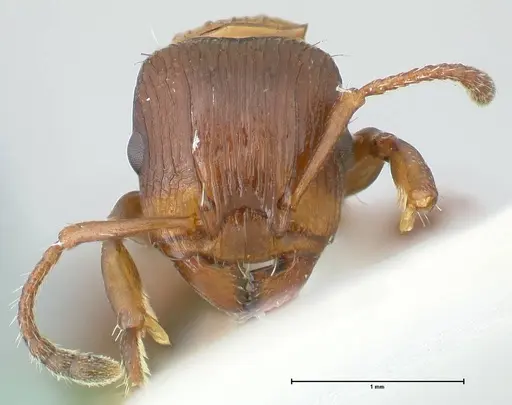
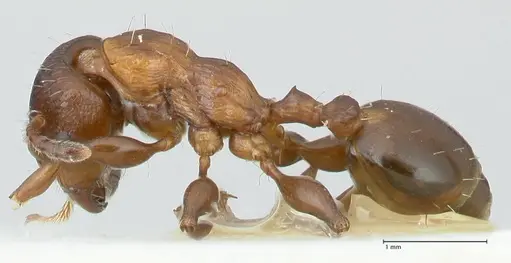
CASENT0905748
Ver en AntWeb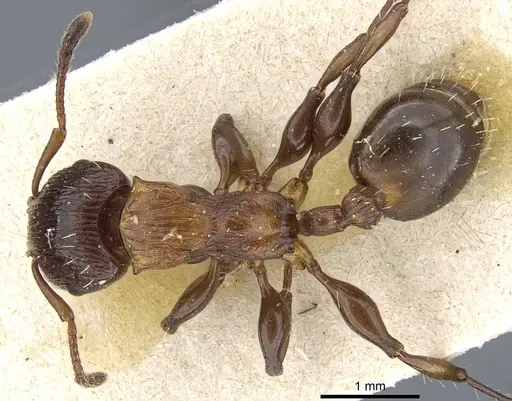
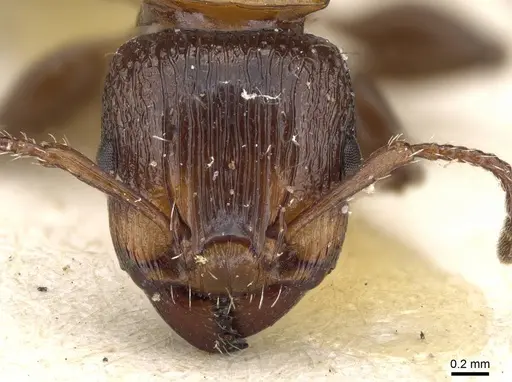
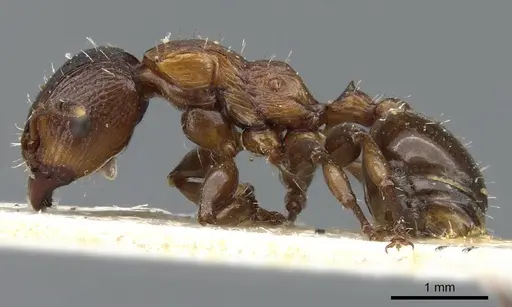
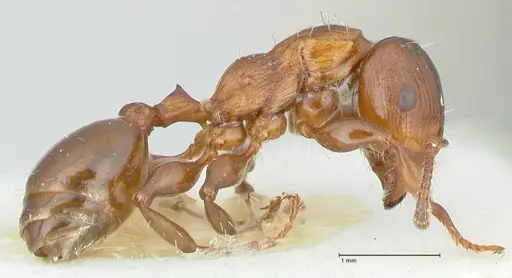
FOCOL1980
Ver en AntWeb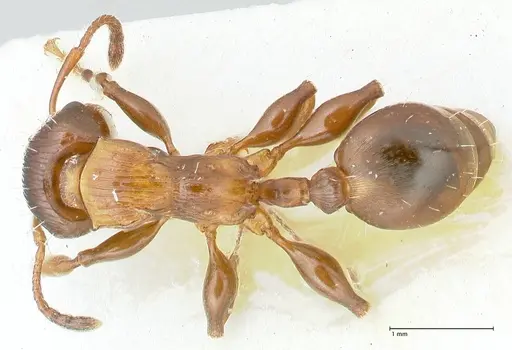
Literatura
Cargando mapa de distribución...Cargando productos...