
Pheidole jubilans
- Nom. cient.
- Pheidole jubilans
- Tribu
- Attini
- Subfamilia
- Myrmicinae
- Autor
- Forel, 1911
- Distribución
- Encontrado en 0 países
Introducción
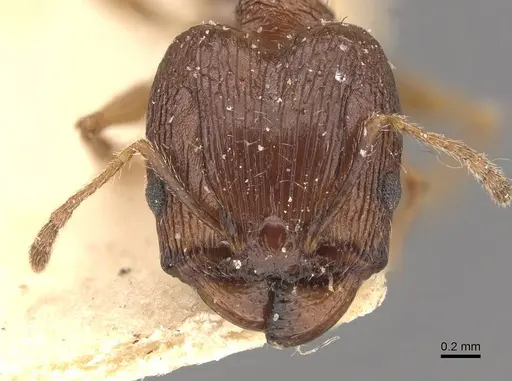
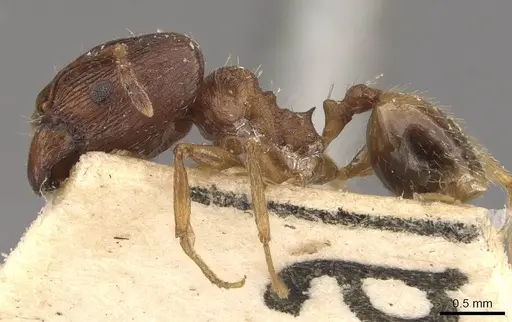
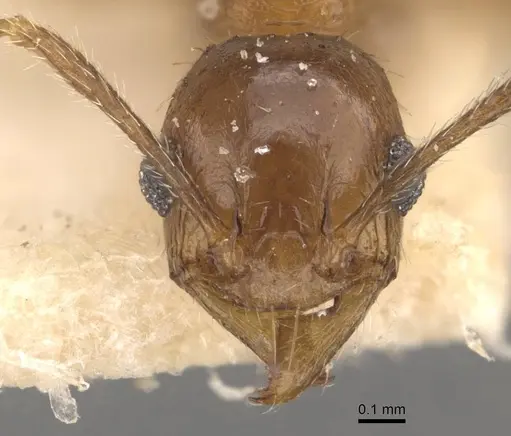
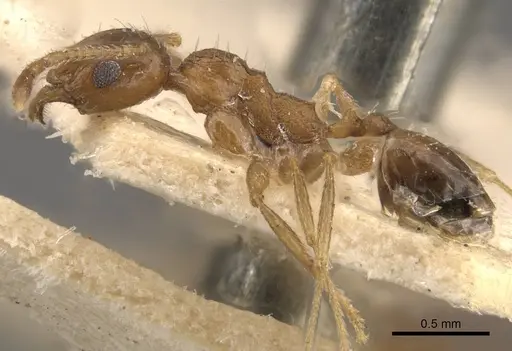
Pheidole jubilans is a small ant species native to Java, Indonesia. Workers are typically 1-3mm in total length, inferred from Pheidole genus patterns, and have two distinct castes: large major workers with enlarged heads and smaller minor workers. The body is light brown with a darker gaster. This species was raised to full species status in 2004,previously classified as a subspecies of Pheidole javana . They are found in tropical forest environments in the Indomalaya region .
Quick Summary
- Difficulty: Easy
- Origin & Habitat: Java, Indonesia in tropical forest environments [3]
- Colony Type: Unconfirmed, no specific literature on queen number, but Pheidole species are typically monogyne (single queen colonies).
- Size & Growth:
- Queen: Size data unavailable, no total length measurements in literature. Based on Pheidole genus, queens are typically 6-8mm in total length.
- Worker: Size data unavailable, no total length measurements in literature. Based on Pheidole genus, workers are typically 1-3mm in total length.
- Colony: Colony size data unavailable, no specific counts in literature.
- Growth: Moderate to fast, inferred from tropical species development.
- Development: Estimated 5-8 weeks at warm temperatures, inferred from related Pheidole species [3]. (Tropical species develop faster than temperate species.)
- Antkeeping:
- Temperature: Keep warm, roughly 24-28°C, based on tropical habitat inference [3].
- Humidity: Keep nest substrate consistently moist but not waterlogged, based on tropical forest habitat [3].
- Diapause: No diapause required, tropical species from Java [3].
- Nesting: Y-tong, plaster, or soil nests work well. Provide moist substrate for humidity retention [3].
- Behavior: Pheidole species are generally peaceful and not aggressive toward keepers. Major workers defend the nest but rarely sting. Escape risk is moderate due to small size, use standard barriers [3].
- Common Issues: temperatures below 24°C can slow colony development, keep them warm., overfeeding can lead to mold, remove uneaten food promptly., minor workers are very small and can escape, use proper barriers., founding colonies are fragile, avoid disturbing the queen.
Housing and Nest Setup
For founding colonies, a test tube setup works well. Fill a test tube with water and cotton to create a reservoir and dry chamber for the queen. Keep the tube in a dark, quiet location. Once the colony has 20-30 workers, move to a small formicarium like Y-tong or plaster nests. These hold humidity well and allow observation. Ensure nest chambers are appropriately sized for these small ants [3].
Feeding and Diet
Pheidole jubilans are generalist feeders. Offer protein from small insects like fruit flies and carbohydrates from sugar water or honey. Remove uneaten food after 24-48 hours to prevent mold. For founding colonies, small drops of honey and occasional insect pieces are sufficient [3].
Temperature and Seasonal Care
As a tropical species, keep temperatures warm around 24-28°C. Use a heating cable on one side to create a gradient. No hibernation is needed, keep them warm year-round [3].
Behavior and Colony Dynamics
Pheidole jubilans has two worker castes: minor workers handle foraging and brood care, while major workers defend the nest and process large food. Colonies grow from nanitics to thousands of workers over time. Be patient during the founding phase when the queen is sealed in [3].
Frequently Asked Questions
How long does it take for Pheidole jubilans to produce first workers?
Expect first workers in 5-8 weeks at warm temperatures (24-28°C), inferred from related species [3].
What do I feed Pheidole jubilans?
Offer small insects for protein and sugar water or honey for carbohydrates. Remove uneaten food promptly [3].
Can I keep multiple queens together?
Pheidole species are typically single-queen colonies. Combining unrelated queens is not recommended unless evidence shows otherwise [3].
Do Pheidole jubilans need hibernation?
No, as a tropical species, they do not require hibernation [3].
When should I move my colony to a formicarium?
Move them once they have 20-30 workers or outgrow the test tube [3].
Are Pheidole jubilans good for beginners?
Yes, they are relatively hardy and not aggressive, making them suitable for beginners [3].
How big do Pheidole jubilans colonies get?
Colony size data is unavailable, but related Pheidole species can reach thousands of workers [3].
Why is my colony not growing?
Common causes include low temperatures, insufficient food, or disturbance during founding. Check warmth and feeding [3].
Do I need special escape prevention for Pheidole jubilans?
Use standard barriers like Fluon due to their small size [3].
Report an Issue
The current care sheet is based fully on literature. See inconsistencies, or something that's incorrect? Please , it will be resolved after review from an admin. Contributing to the blogs tab also helps providing information, to make us be able to further improve the caresheets. Thank you for your support!
References

Esta ficha de cuidados está bajo licencia CC BY-SA 4.0 .
Blogs de la comunidad
CASENT0907913
Ver en AntWeb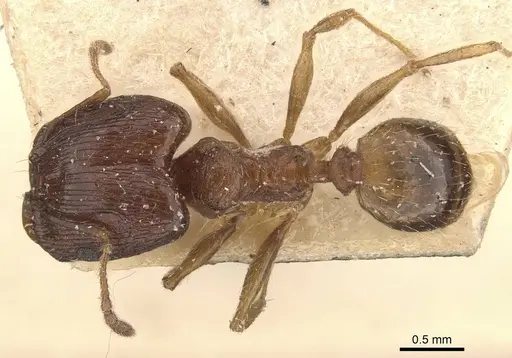
CASENT0907914
Ver en AntWeb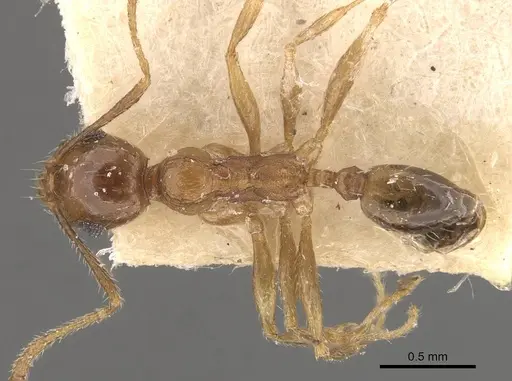
Literatura
Cargando mapa de distribución...Cargando productos...