
Pheidole exasperata
- Nom. cient.
- Pheidole exasperata
- Tribu
- Attini
- Subfamilia
- Myrmicinae
- Autor
- Mayr, 1866
- Distribución
- Encontrado en 0 países
Introducción
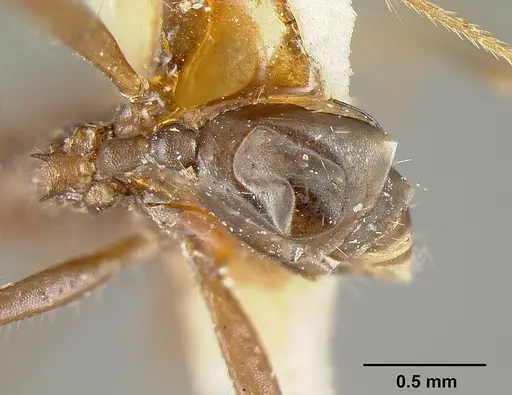
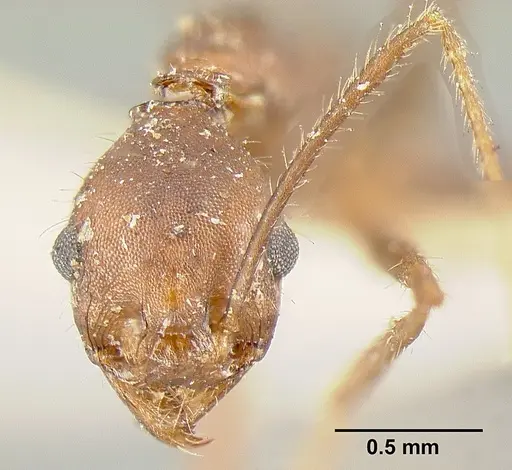
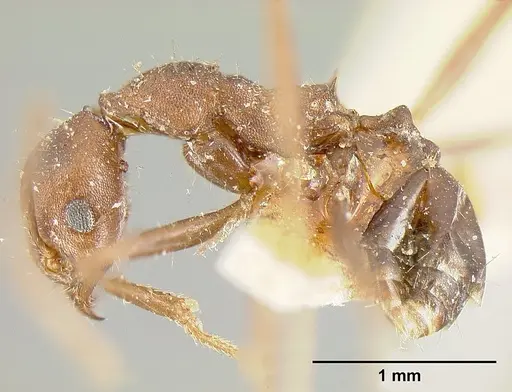
Pheidole exasperata is a small myrmicine ant described by Mayr in 1866. Workers measure approximately 3.7 mm in total length, with a pilose appearance, dark ferruginous coloration, and a blackish abdomen . The species is found in the Palaearctic region, specifically China, where colonies nest in rotten branches on the ground . This ant is notable for being discovered in unusual microhabitats like Nepenthes cups, suggesting adaptability in foraging .
Quick Summary
- Difficulty: Medium
- Origin & Habitat: China (Palaearctic Region), nesting in rotten branches on the ground [2][3].
- Colony Type: Colony structure is unconfirmed. Based on Pheidole genus patterns, likely polygynous (multiple queens) with major and minor worker castes.
- Size & Growth:
- Queen: Size data unavailable, no total length measurements in research. Inferred from Pheidole genus patterns to be larger than workers.
- Worker: 3.7 mm [1]
- Colony: Unknown, no specific data on maximum colony size.
- Growth: Moderate, inferred from genus patterns.
- Development: Estimated 6-8 weeks at optimal temperature, based on related Pheidole species. (Development time is inferred from genus-level data since species-specific research is unavailable.)
- Antkeeping:
- Temperature: Keep warm, roughly 22-26°C, based on typical antkeeping practices for temperate species. Adjust based on colony activity.
- Humidity: Keep nest substrate consistently moist but not waterlogged, as colonies nest in rotting wood [2][3]. Provide a humidity gradient.
- Diapause: Likely required, inferred from temperate China range. Expect a winter rest period of 3-4 months at cooler temperatures.
- Nesting: Y-tong (AAC) nests or naturalistic setups with rotting wood work well. Maintain consistent moisture in nest material [2][3].
- Behavior: Generally peaceful temperament inferred from Pheidole genus patterns. Escape risk is moderate, use secure barriers due to small size.
- Common Issues: colonies may fail if humidity drops too low, monitor substrate moisture regularly., slow founding phase requires patience, avoid disturbing the queen., winter dormancy needs are inferred, observe colony behavior for adjustments., test tube setups can dry out quickly, use water reservoirs and check often.
Nest Preferences
In the wild, Pheidole exasperata colonies nest in rotten branches on the ground, as documented at Bukit Timah Hill [2][3]. This indicates a preference for damp, decaying wood. In captivity, use Y-tong nests or naturalistic setups with cork or rotting wood to mimic natural conditions. Keep nest material consistently moist but never waterlogged, and provide a humidity gradient so ants can choose their preferred zone.
Feeding and Diet
Pheidole species are typically omnivorous with a preference for seeds and protein. Offer small seeds (e.g., millet), protein sources (e.g., mealworms), and constant access to sugar water or honey. Remove uneaten food after 24-48 hours to prevent mold. Colonies have been found in Nepenthes cups, suggesting opportunistic feeding [2][3].
Temperature and Seasonal Care
Maintain nest temperatures around 22-26°C for optimal development. As a temperate species, expect seasonal activity changes. During winter (November-February), reduce temperature to 10-15°C for dormancy. Do not feed during deep dormancy but maintain light moisture. Resume normal care in spring.
Colony Growth and Development
Pheidole exasperata has a dimorphic caste system with minor workers (3.7 mm) and major workers with enlarged heads [1]. Development from egg to first worker is estimated at 6-8 weeks at optimal temperature. Colonies grow moderately, with major workers appearing after several dozen minors. Be patient during founding, as queen ants may take months to produce workers.
Behavior and Temperament
Pheidole exasperata has a generally peaceful temperament. They are not aggressive and rarely sting, using alarm recruitment as a primary defense. Major workers can bite but are not dangerous to humans. Foraging is moderate, and escape risk is managed with standard barriers. Colonies show flexibility in nesting, as seen in rotten wood and Nepenthes cups [2][3].
Frequently Asked Questions
How long does it take for Pheidole exasperata to produce first workers?
Based on related Pheidole species, expect 6-8 weeks from egg to first worker at optimal temperature (22-26°C). Be patient and avoid disturbing the nest during founding.
What do Pheidole exasperata ants eat?
They are omnivorous. Offer small seeds, protein sources like mealworms, and constant sugar water or honey. Remove uneaten food after 24-48 hours.
Do Pheidole exasperata ants need hibernation?
Likely yes, inferred from their temperate China range. Expect a winter rest period of 3-4 months at cooler temperatures, with reduced feeding.
What size colony does Pheidole exasperata reach?
Colony size is unknown for this species, as no specific data is available.
Are Pheidole exasperata ants aggressive?
No, they are generally peaceful. They may bite with major workers but are not dangerous to humans, using alarm recruitment instead.
What humidity level do Pheidole exasperata ants need?
Keep nest substrate consistently moist but not waterlogged, as they nest in rotting wood [2][3]. Provide a humidity gradient.
Can I keep multiple Pheidole exasperata queens together?
Colony structure is unconfirmed. Pheidole species can be polygynous, but combining unrelated queens is risky. Introduce them during founding before workers exist.
What nest type is best for Pheidole exasperata?
Y-tong nests or naturalistic setups with rotting wood work well. Maintain consistent moisture in nest material [2][3].
Do Pheidole exasperata ants have majors and minors?
Yes, they are dimorphic with minor workers (3.7 mm) and major workers with enlarged heads for seed processing and defense [1].
Are Pheidole exasperata ants good for beginners?
They are rated Medium difficulty. They require attention to humidity and likely need hibernation, but their peaceful temperament makes them manageable for intermediate keepers.
Report an Issue
The current care sheet is based fully on literature. See inconsistencies, or something that's incorrect? Please , it will be resolved after review from an admin. Contributing to the blogs tab also helps providing information, to make us be able to further improve the caresheets. Thank you for your support!
References

Esta ficha de cuidados está bajo licencia CC BY-SA 4.0 .
Blogs de la comunidad
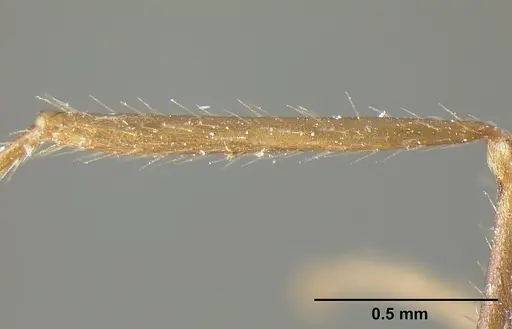
CASENT0601292
Ver en AntWeb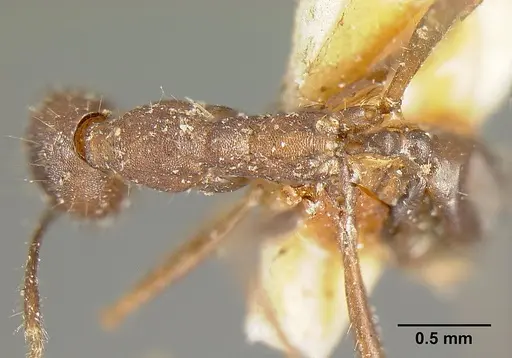
Literatura
Cargando mapa de distribución...Cargando productos...