
Myrmicaria luteiventris
- Nom. cient.
- Myrmicaria luteiventris
- Tribu
- Solenopsidini
- Subfamilia
- Myrmicinae
- Autor
- Emery, 1900
- Distribución
- Encontrado en 0 países
Introducción
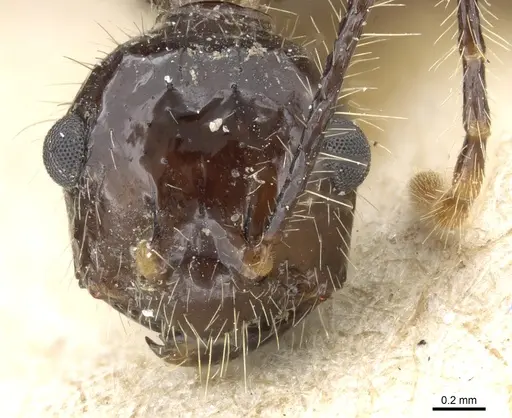
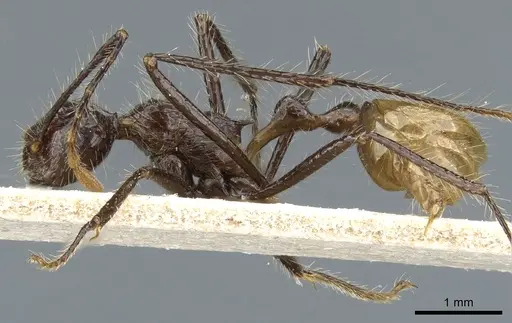
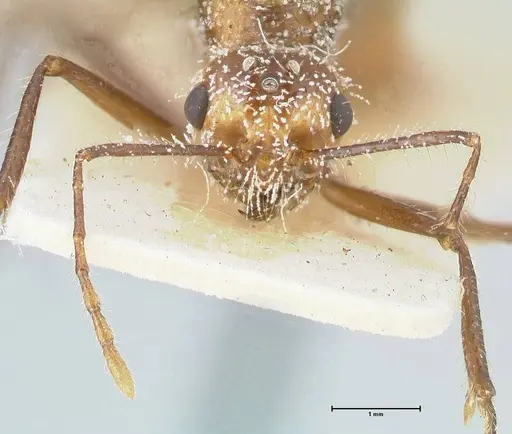
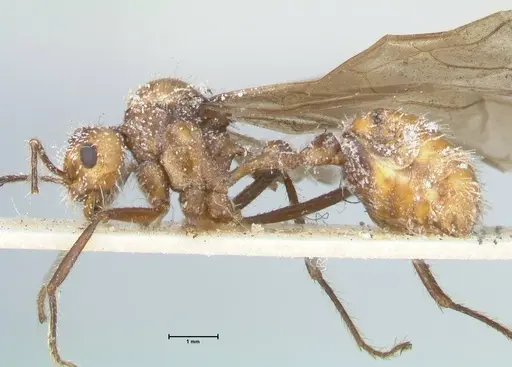
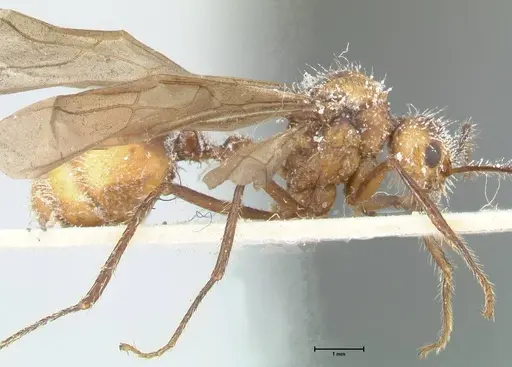
Myrmicaria luteiventris is a small to medium-sized ant species native to Southeast Asia, found across Borneo, Indonesia, Malaysia, and Singapore . Workers have the characteristic elongated, somewhat spider-like appearance typical of the Myrmicaria genus, with a distinctive gaster that gives them their common nickname 'spider ants'. The species was originally described as a variety of Myrmicaria arachnoides but is now recognized as a distinct species belonging to the Myrmicaria arachnoides species group based on morphological analysis . This ant is arboreal in nesting habits and typically found in humid forest environments.
Quick Summary
- Difficulty: Medium
- Origin & Habitat: Tropical rainforest regions of Southeast Asia including Borneo, Indonesia, Malaysia, and Singapore [1]. A colony was collected from Khao Yai National Park in northeastern Thailand, indicating preference for humid forest environments [2].
- Colony Type: Colony structure is unconfirmed for this species. Based on typical Myrmicaria patterns, likely single-queen colonies.
- Size & Growth:
- Queen: Size data unavailable, inferred from Myrmicaria genus patterns to be approximately 8-10mm
- Worker: Size data unavailable, inferred from Myrmicaria genus patterns to be approximately 4-6mm
- Colony: Estimated up to several thousand workers based on related Myrmicaria species
- Growth: Moderate
- Development: Estimated 6-8 weeks at tropical temperatures based on typical Myrmicinae development patterns (Development time is estimated since species-specific data is unavailable)
- Antkeeping:
- Temperature: Keep at 24-28°C. Tropical species requiring warm, stable temperatures.
- Humidity: High humidity preferred (70-80%). This species comes from humid tropical rainforests. Keep the nest substrate consistently moist but not waterlogged.
- Diapause: No, being a tropical species, they do not require hibernation. Maintain warm temperatures year-round.
- Nesting: In nature, Myrmicaria species typically nest in arboreal locations, under bark, in hollow twigs, or in tree cavities. In captivity, a Y-tong (AAC) nest or naturalistic setup with wood pieces works well.
- Behavior: Generally docile and non-aggressive. Workers are active foragers but not particularly defensive. They are not known for painful stings. Escape risk is moderate, use standard barrier methods. They are primarily arboreal and may be more active in the upper portions of their enclosure.
- Common Issues: Limited species-specific information makes care recommendations somewhat speculative, Tropical humidity requirements can be challenging to maintain consistently, Wild-caught colonies may carry parasites that are difficult to detect, Slow establishment period, don't be alarmed if growth seems slow initially, Temperature drops below 22°C can stress colonies and slow development
Housing and Nest Setup
Myrmicaria luteiventris is an arboreal species that naturally nests in elevated locations like tree hollows, under bark, and in hollow twigs. In captivity, provide a nest that reflects this preference. Y-tong (AAC) nests work well because they provide dark, enclosed chambers. Alternatively, a naturalistic setup with pieces of cork bark, twigs, or wood arranged vertically gives them natural climbing opportunities. The outworld should include climbing structures since they naturally traverse vertical spaces. Test tubes can work for founding colonies but may need to be transitioned to more elaborate setups as the colony grows.
Feeding and Diet
Myrmicaria species are generalist omnivores that feed on honeydew, small insects, and nectar. In captivity, offer sugar water or honey water as a constant energy source. For protein, provide small live insects like fruit flies, pinhead crickets, or mealworms. Since they are arboreal foragers, placing food on elevated surfaces or platforms in the outworld better mimics their natural feeding behavior. Feed protein 2-3 times per week, and keep sugar water available at all times. Remove uneaten prey after 24-48 hours to prevent mold.
Temperature and Humidity
Being a tropical species from Southeast Asia, Myrmicaria luteiventris requires warm temperatures between 24-28°C. Temperatures below 22°C can cause stress and slow colony development. Use a heating cable on one side of the nest if your room temperature is consistently below this range. Place the heating element on top of the nest to avoid evaporating moisture. High humidity is essential, aim for 70-80%. This can be achieved with a water reservoir in the outworld, occasional misting, or by keeping the nest in a setup that retains moisture well. The substrate or nest material should feel consistently damp but never waterlogged.
Colony Development
Little specific data exists on the development timeline of Myrmicaria luteiventris. Based on typical Myrmicinae patterns at tropical temperatures, expect eggs to develop into workers in approximately 6-8 weeks under optimal conditions (25-28°C). The first workers (nanitics) will be smaller than mature workers. Growth rate is moderate, colonies may take several months to reach 50-100 workers. Be patient during the founding phase as the queen alone must raise the first brood without assistance. Avoid disturbing the founding chamber during this critical period.
Behavior and Temperament
Myrmicaria luteiventris is a relatively docile species that does not exhibit aggressive defense behaviors. Workers are active foragers and will readily explore their environment. They are not known for painful stings, making them manageable for keepers of all experience levels. The genus name 'Myrmicaria' references their somewhat spider-like appearance due to their elongated body and legs. They are primarily arboreal and prefer to travel along branches, twigs, and vertical surfaces rather than on the ground. This behavior should be reflected in how you set up their enclosure.
Frequently Asked Questions
How long does it take for Myrmicaria luteiventris to produce first workers?
Based on typical Myrmicinae development at tropical temperatures (25-28°C), expect first workers (nanitics) approximately 6-8 weeks after the queen lays her first eggs. This is an estimate since species-specific development data is not available.
What temperature do Myrmicaria luteiventris ants need?
Keep them warm at 24-28°C. This tropical species requires consistent warmth and does not tolerate cool temperatures well. A heating cable can help maintain optimal temperatures.
Do Myrmicaria luteiventris ants need hibernation?
No, they do not require hibernation. As a tropical species from Southeast Asia, they need warm temperatures year-round. Do not expose them to temperatures below 20°C for extended periods.
What do Myrmicaria luteiventris ants eat?
They are generalist omnivores. Offer sugar water or honey water constantly for energy, and protein sources like small insects (fruit flies, pinhead crickets, mealworms) 2-3 times per week.
Can I keep multiple Myrmicaria luteiventris queens together?
This has not been documented for this specific species. Based on typical Myrmicaria patterns, they likely form single-queen colonies. It is not recommended to combine unrelated foundress queens.
What type of nest is best for Myrmicaria luteiventris?
Y-tong (AAC) nests work well, or a naturalistic setup with cork bark, twigs, and vertical climbing structures. They are arboreal by nature and prefer elevated, enclosed spaces.
Are Myrmicaria luteiventris ants aggressive?
No, they are generally docile and not known for aggressive behavior or painful stings. They are suitable for keepers who prefer less defensive species.
How big do Myrmicaria luteiventris colonies get?
Based on related Myrmicaria species, colonies likely reach several thousand workers. Exact maximum size is unknown for this specific species.
Why is my Myrmicaria luteiventris colony not growing?
Check that temperatures are in the 24-28°C range and humidity is high (70-80%). Also ensure the queen is healthy and laying eggs. Slow growth can also be normal during the founding phase.
Do Myrmicaria luteiventris ants escape easily?
They have moderate escape risk. Standard barrier methods like fluon on container edges are sufficient. They are not particularly known for being escape artists.
Report an Issue
The current care sheet is based fully on literature. See inconsistencies, or something that's incorrect? Please , it will be resolved after review from an admin. Contributing to the blogs tab also helps providing information, to make us be able to further improve the caresheets. Thank you for your support!
References

Esta ficha de cuidados está bajo licencia CC BY-SA 4.0 .
Blogs de la comunidad
CASENT0904468
Ver en AntWeb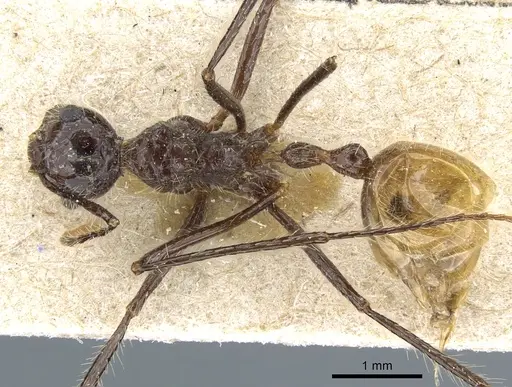
FOCOL1597
Ver en AntWeb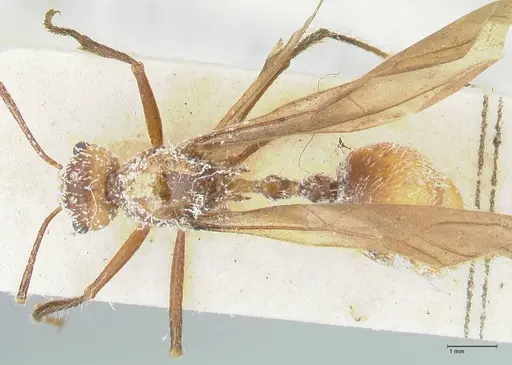
Literatura
Cargando mapa de distribución...Cargando productos...