
Myrmica ordinaria
- Nom. cient.
- Myrmica ordinaria
- Tribu
- Myrmicini
- Subfamilia
- Myrmicinae
- Autor
- Radchenko & Elmes, 1999
- Distribución
- Encontrado en 0 países
Introducción
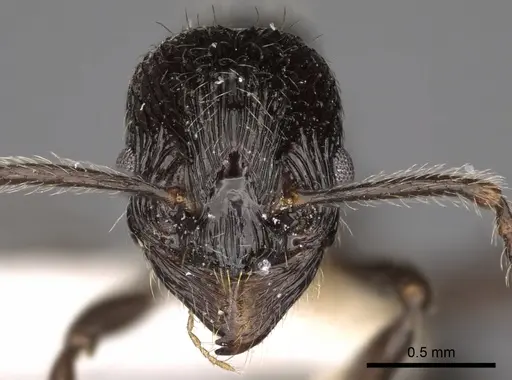
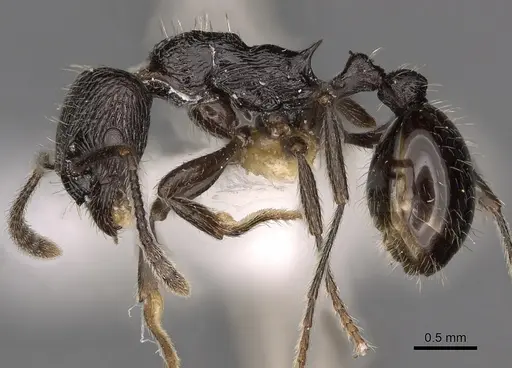
Myrmica ordinaria is a small, dark Myrmica ant species native to the Himalayan regions of India (Kashmir) and Pakistan. Workers and queens feature very finely punctated, relatively smooth surfaces between the rugae of the head and alitrunk, distinguishing them from related species like Myrmica wardi and Myrmica cachmiriensis. The species name comes from Latin meaning 'ordinary' - the researchers chose it because this ant falls in the middle of morphological variation for the genus Myrmica overall. This is an endemic species known only from high-altitude localities between 2300-3077 meters in the Himalayas . Very little is known about this species' biology in the wild. It belongs to the cachmiriensis species group and falls under the 'opportunist' functional group based on Himalayan ant surveys . Since no research exists on their captive care, all recommendations must be inferred from what we know about other Himalayan Myrmica species and typical genus behavior. Expect care similar to other Myrmica - they are cold-tolerant, need hibernation, and are probably claustral founders.
Quick Summary
- Difficulty: Unknown, likely Medium based on genus patterns
- Origin & Habitat: Himalayan regions of India (Kashmir) and Pakistan at altitudes of 2300-3077m [1][4]. The type locality is Seven Springs in Pahalgam, Jammu & Kashmir, India, with another population recorded from Kalam, Pakistan at 2300m elevation [4]. This is a high-altitude, cold-adapted species from mountainous terrain.
- Colony Type: Unconfirmed, likely monogyne (single queen) based on typical Myrmica patterns. No data exists on colony structure for this specific species.
- Size & Growth:
- Queen: ~4-5mm, inferred from Myrmica genus
- Worker: ~4-5mm, inferred from Myrmica genus
- Colony: Unknown, no colony size data exists for this species
- Growth: Unknown, likely moderate like other Myrmica
- Development: Unknown, no development data exists for this species (No direct data exists. Related Myrmica species typically take several weeks from egg to worker at room temperature.)
- Antkeeping:
- Temperature: Keep around 18-22°C, this is a cold-adapted Himalayan species that likely prefers cooler temperatures. Avoid overheating.
- Humidity: Moderate humidity, typical for mountain-dwelling Myrmica. Keep nest substrate slightly moist but not waterlogged.
- Diapause: Yes, this species is from high-altitude Himalayas and almost certainly requires a winter dormancy period. Provide 3-4 months of cold hibernation.
- Nesting: Y-tong (AAC) nests or test tube setups work well for Myrmica. Provide chambers scaled to their small size. Naturalistic setups with soil and stones also suitable.
- Behavior: Temperament is typical of Myrmica, workers are generally not aggressive but will sting if threatened. They are opportunistic foragers that likely scavenge and hunt small invertebrates. Escape risk is moderate, their small size means they can squeeze through small gaps, so use fine mesh barriers.
- Common Issues: no biological data exists, all care recommendations are inferred from genus patterns, hibernation is essential but beginners often struggle with proper cold dormancy, small size makes escape prevention important, use tight-fitting lids and fine mesh, slow growth may frustrate beginners who expect rapid colony development, high-altitude origin means they likely cannot tolerate prolonged heat
Appearance and Identification
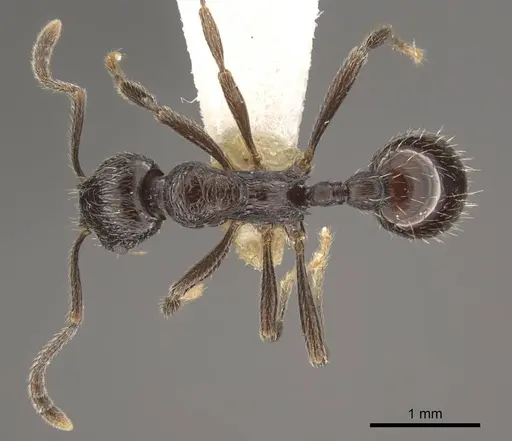
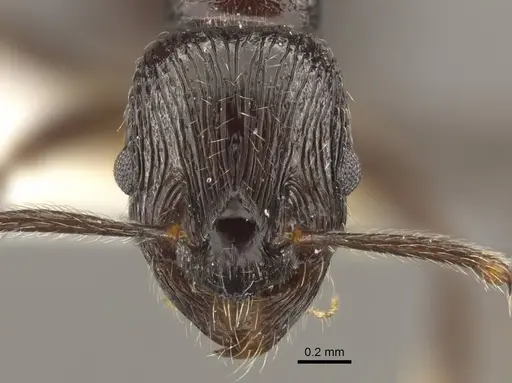
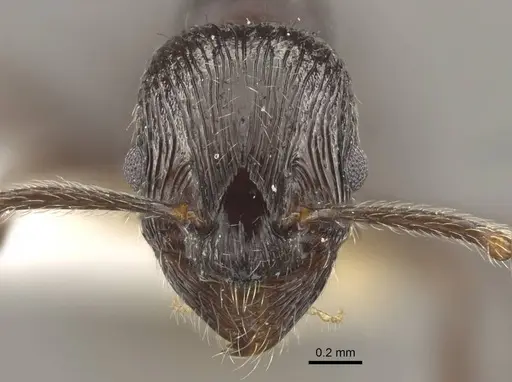
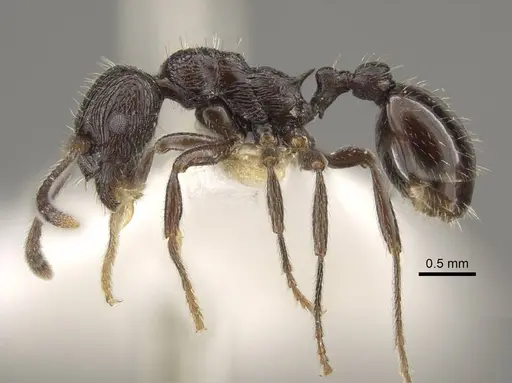
Myrmica ordinaria workers and queens are small ants. They have a dark body coloration, darker than related species like Myrmica cachmiriensis. The most distinguishing feature is the very finely punctated, more or less smooth surfaces between the rugae (ridges) of the head and alitrunk (middle body section). Workers can be identified by their flat (not concave) mesonotal dorsum, which distinguishes them from Myrmica wardi. The pilosity (body hairs) on the sides of the head is relatively longer and subdecumbent (angled downward) compared to related species. Males have not been collected for this species [5].
Natural Habitat and Distribution
This species is known only from the Himalayan mountain regions, specifically from the type localities in Kashmir, India and Kalam, Pakistan. The altitudinal range spans from 2300 to 3077 meters above sea level [1][2]. This is a high-altitude, cold-adapted species endemic to the Himalayas. The type locality at Seven Springs in Pahalgam sits at approximately 2300m elevation, while specimens have been recorded up to 3077m in certain areas [1][4]. The habitat is typical mountainous terrain of the Himalayan region, likely forested areas with cooler temperatures year-round.
Known Biology
Almost nothing is known about the biology of Myrmica ordinaria. Research specifically states 'Nothing is known about the biology' of this species [5]. The species belongs to the Myrmica cachmiriensis-complex and has been classified as an 'opportunist' in functional group analyses of Himalayan ant communities [3]. This means they are likely generalist foragers that can exploit various food resources. No data exists on their colony founding behavior, development timeline, queen number, nuptial flight timing, or specific dietary needs. All care recommendations must be inferred from what is known about other Himalayan Myrmica species and typical genus behavior.
Temperature and Seasonal Care
As a high-altitude Himalayan species, Myrmica ordinaria is adapted to cooler temperatures. Keep the nest area in the range of 18-22°C, avoiding prolonged exposure to temperatures above 25°C. A temperature gradient allowing workers to choose their preferred zone is ideal. This species almost certainly requires a winter dormancy period (diapause) given its Himalayan origin at 2300-3077m elevation. Provide 3-4 months of cold hibernation during winter months. This hibernation period is critical for colony health and likely triggers reproductive cycles. Do not attempt to keep this species active year-round without a proper cold period. [1]
Feeding and Diet
Since no specific dietary data exists for Myrmica ordinaria, care should follow typical Myrmica patterns. Offer a balanced diet of sugar sources (honey water, sugar water) and protein (small insects like fruit flies, pinhead crickets, mealworms). Myrmica are opportunistic feeders and generally accept both sweet liquids and protein prey. Feed protein 2-3 times per week and provide constant access to sugar water. Remove uneaten prey after 24-48 hours to prevent mold. Given their small size, prey items should be appropriately sized. [5]
Nesting and Housing
Myrmica ordinaria is a small ant that will do well in standard ant keeping setups. Test tube setups work well for founding colonies, provide a water reservoir connected to a cotton ball for humidity. For established colonies, Y-tong (AAC) nests with narrow chambers scaled to their small size are appropriate. Naturalistic setups with soil and stones can also work, mimicking their natural habitat under stones in mountain terrain. Ensure escape prevention is adequate, their small size means they can squeeze through tiny gaps. Use fine mesh on any ventilation holes. [5]
Frequently Asked Questions
How long does it take for Myrmica ordinaria to develop from egg to worker?
The exact development timeline is unknown, no research exists on this species. Based on typical Myrmica genus patterns, expect several weeks from egg to first worker at optimal temperatures. Growth will likely be slower during cooler periods and faster at warmer temperatures within their tolerance range.
Do Myrmica ordinaria ants need hibernation?
Yes, almost certainly. This is a high-altitude Himalayan species from 2300-3077m elevation, and Myrmica species from such cold environments require a winter dormancy period. Provide 3-4 months of cold hibernation during winter. Skipping hibernation will likely harm the colony long-term.
What temperature should I keep Myrmica ordinaria at?
Keep them in the cool range of 18-22°C. This is a cold-adapted mountain species that prefers cooler temperatures than typical tropical ants. Avoid temperatures above 25°C. A temperature gradient allowing workers to choose their preferred zone is ideal.
Are Myrmica ordinaria good for beginners?
Difficulty level is uncertain since no captive care research exists. Based on genus patterns, they are likely moderate difficulty, they need proper hibernation and prefer cooler temperatures, which adds complexity. Their small size also requires good escape prevention. If you have experience with other Myrmica species, this species should be manageable.
How big do Myrmica ordinaria colonies get?
Colony size is unknown for this species. No research data exists on maximum colony size. Based on related Myrmica species, they likely reach several hundred workers at maturity, but this is an estimate only.
What do Myrmica ordinaria eat?
No specific dietary data exists. Follow typical Myrmica care: offer sugar sources (honey water, sugar water) constantly and protein (small insects like fruit flies, mealworms) 2-3 times per week. Remove uneaten prey after 24-48 hours.
Can I keep multiple Myrmica ordinaria queens together?
No data exists on colony structure for this species. Most Myrmica are monogyne (single queen), but some can be polygynous. Without specific data, it is not recommended to combine unrelated queens. If you obtain a colony, keep the queen alone as is typical for Myrmica.
Do Myrmica ordinaria ants sting?
Yes, Myrmica ants have stingers and will use them if threatened. The sting is not dangerous to healthy humans but can be painful. They will attempt to defend the colony if provoked.
When do Myrmica ordinaria nuptial flights occur?
Nuptial flight timing is unknown, no research documents this species' reproduction. For Himalayan Myrmica, flights typically occur during warmer summer months. If you keep this species, expect potential nuptial flights in mid-summer after hibernation.
Is Myrmica ordinaria monogyne or polygyne?
Colony structure is unconfirmed for this species. Most Myrmica are monogyne (single queen), but some species can be polygynous. Without specific research, assume single-queen colonies are typical for this species.
What is the best nest type for Myrmica ordinaria?
Standard test tube setups work well for founding colonies. For established colonies, Y-tong (AAC) nests with narrow chambers scaled to their small size are appropriate. Naturalistic setups with soil and stones also work. Ensure adequate humidity and escape prevention.
Why is almost nothing known about Myrmica ordinaria biology?
This is a rare species known only from a few high-altitude localities in the Himalayas. It was described relatively recently (1999) and has never been the subject of dedicated biological study. The species is endemic with limited distribution, and no researchers have published captive breeding observations.
Report an Issue
The current care sheet is based fully on literature. See inconsistencies, or something that's incorrect? Please , it will be resolved after review from an admin. Contributing to the blogs tab also helps providing information, to make us be able to further improve the caresheets. Thank you for your support!
References

Esta ficha de cuidados está bajo licencia CC BY-SA 4.0 .
Blogs de la comunidad
CASENT0900302
Ver en AntWeb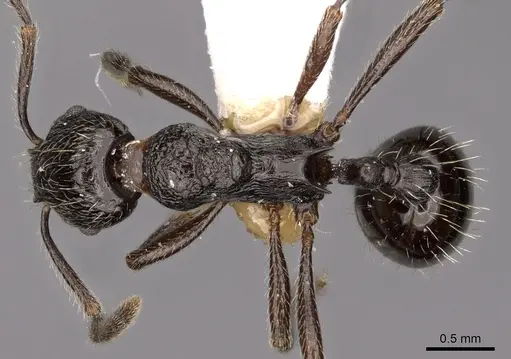
CASENT0917709
Ver en AntWeb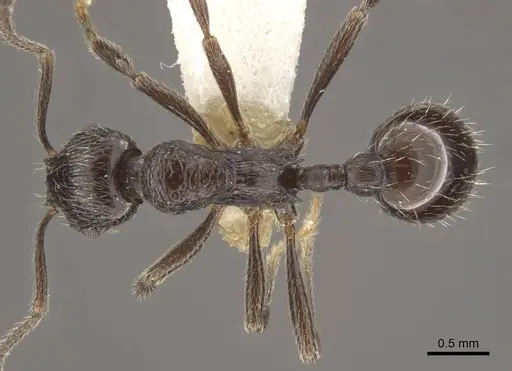
Literatura
Cargando mapa de distribución...Cargando productos...