
Myrmica kozlovi
- Nom. cient.
- Myrmica kozlovi
- Tribu
- Myrmicini
- Subfamilia
- Myrmicinae
- Autor
- Ruzsky, 1915
- Distribución
- Encontrado en 0 países
Introducción
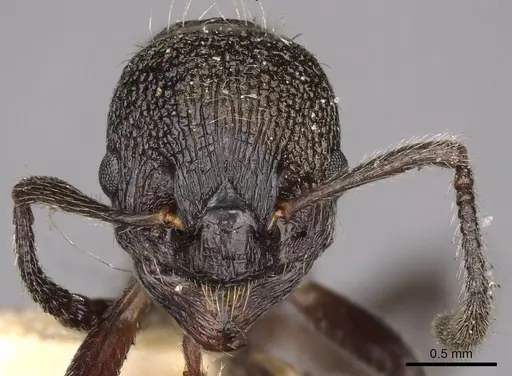
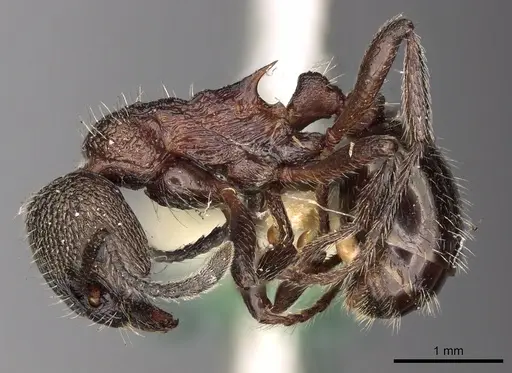
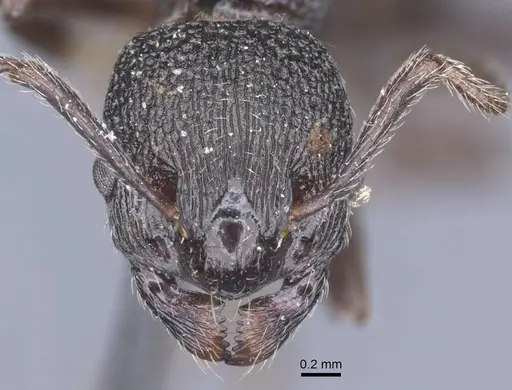
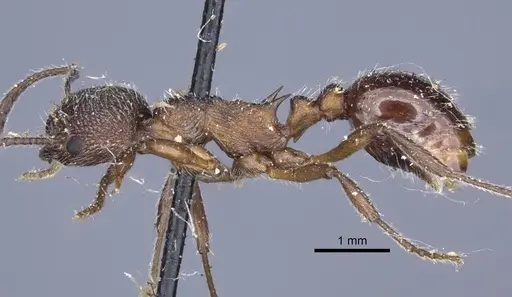
Myrmica kozlovi is a high-altitude ant native to the Himalayan mountain system, found in Tibet, northern India (Sikkim, West Bengal, Arunachal Pradesh), and Nepal . This species holds the record for the highest altitude ever recorded for a Myrmica species worldwide (4800 meters) and is the only Myrmica known to have crossed the Himalayan barrier, living on both western and eastern slopes . According to the collector Major Hingston, ants at higher elevations are extremely sluggish and lethargic – a likely adaptation to the harsh, cold, oxygen-poor conditions . Worker size is not specifically documented, but typical Myrmica workers are about 4–6 mm .
Quick Summary
- Difficulty: Hard
- Origin & Habitat: Himalayan mountain system at extreme altitudes (2743–4800 m). Found in Tibet, northern India (Sikkim, West Bengal, Arunachal Pradesh), and Nepal. Inhabits high-altitude habitats including rhododendron shrubland, spruce-fir forests, alpine coniferous forests, and conifer-broadleaf forest [1][4].
- Colony Type: Unconfirmed. Based on typical Myrmica patterns, colonies likely have a single queen, but no specific studies confirm this for M. kozlovi.
- Size & Growth:
- Queen: ~6–8 mm – inferred from Myrmica genus [3]
- Worker: ~4–6 mm – inferred from Myrmica genus [3]
- Colony: Up to several hundred workers – inferred from related Myrmica species [3]
- Growth: Slow – cold adaptation likely prolongs development
- Development: Estimated 8–12 weeks at moderate temperatures – based on typical Myrmica development [3] (Development is likely slower than lowland Myrmica due to adaptation to cool conditions)
- Antkeeping:
- Temperature: Cool conditions are critical. Keep the nest area around 15–20°C, with a slight gradient so ants can choose their preferred spot. Do not exceed 22°C, as this may be fatal. These are cold‑adapted high‑altitude ants that do not tolerate warmth [1][4].
- Humidity: Moderate. Keep the nest substrate moist but not waterlogged. Provide a water source (e.g., water tube). This is inferred from their nesting in soil and under stones [4].
- Diapause: Yes – as a high‑altitude Himalayan species, they require winter dormancy. Provide hibernation at 5–10°C for 3–4 months during winter [1].
- Nesting: In the wild they nest in rotten wood, under stones, and in soil [4]. In captivity, a Y‑tong or plaster nest works. Provide a cool, moderately humid environment and avoid heating elements.
- Behavior: These ants are notably sluggish and lethargic, especially when warm – this is natural behavior for a cold‑adapted species [1]. They are not aggressive and usually flee when disturbed. Workers forage on the ground, under stones, and through leaf litter [4]. Escape risk is moderate – they are not strong climbers but all Myrmica can scale smooth surfaces, secure the outworld.
- Common Issues: overheating can kill – keep colony below 22°C at all times, lack of proper hibernation (3–4 months at 5–10°C) may prevent colony growth or cause decline, very slow growth and lethargic behavior can be mistaken for illness but is normal for this species, wild‑caught colonies from extreme altitudes may struggle to adapt to captivity, limited knowledge means many care details are based on inference – be prepared to adjust
Natural History and Distribution
Myrmica kozlovi is remarkable for its extreme altitude tolerance, holding the record as the highest‑dwelling Myrmica species ever recorded (up to 4800 m) [1]. It is also the only Myrmica known to have crossed the Himalayan barrier, with populations on both western and eastern slopes [1]. The species ranges across Tibet, northern India (Sikkim, West Bengal, Arunachal Pradesh), and Nepal [2][5]. In Nepal, it has been collected from elevations as low as 1420 m near Banepa up to 4000 m in the Solukhumbu district [5]. The collector Major Hingston noted that ants from the highest elevations were 'exceedingly lethargic and sluggish' – a probable adaptation to the cold, thin air [1].
Habitat and Nesting Preferences
In the wild, M. kozlovi occupies diverse high‑altitude habitats. Studies in Sichuan Province recorded them in seven habitat types: rhododendron shrubland, spruce‑fir forest, Cupressus torulosa forest, spruce forest, alpine coniferous forest, conifer‑broadleaf forest, and walnut forest [4]. Their vertical range there is 1500–3494 m [4]. For nesting, they use rotten wood (inside and under), under stones, in soil, and occasionally on the ground surface [4]. Foraging occurs on the ground, under stones, within soil, and on plants [4]. In captivity, replicate these conditions with a nest that stays cool and moderately humid. A Y‑tong or plaster formicarium works well – avoid heating pads entirely. Provide a water source and ensure the substrate remains slightly damp.
Temperature and Seasonal Care
This is the most critical aspect of keeping M. kozlovi. As a high‑altitude cold‑adapted species, they need cool conditions year‑round. Keep the nest area at 15–20°C, with the cooler end (15–18°C) preferred. Never allow temperatures above 22°C, as this can be fatal [1][4]. Unlike most ants, M. kozlovi does not tolerate warmth – their metabolism and behavior are tuned for a cold mountain environment. In winter, they require proper hibernation: 3–4 months at 5–10°C. Use an unheated garage, basement, or a refrigerator set to the correct range. This dormancy is essential for colony health and likely triggers the reproductive cycle. The sluggish, slow behavior you see is completely normal and reflects their natural history.
Feeding and Diet
Like other Myrmica, M. kozlovi is omnivorous, feeding on honeydew and small insects in the wild. In captivity, offer a constant source of carbohydrates (sugar water or honey) and provide protein prey 2–3 times per week. Suitable prey includes small fruit flies, small mealworms, or other appropriately‑sized insects. Because these ants are slow, ensure prey is easy to capture. Remove uneaten prey after 24–48 hours to prevent mold. Their cold‑temperature metabolism means they eat less than warm‑climate ants – adjust portions and frequency accordingly. [3]
Colony Development and Growth
Colonies likely develop slowly due to cool conditions and short growing seasons. Based on typical Myrmica patterns, expect 8–12 weeks from egg to first worker at moderate temperatures [3]. However, because this species is adapted to cold, development may take 12–16 weeks or longer. The first workers (nanitics) will be smaller than normal. Colony growth is slow but steady over several years. Maximum colony size is unknown but likely a few hundred workers based on related Myrmica. Patience is essential – slow development is natural, not a sign of problems.
Frequently Asked Questions
Is Myrmica kozlovi a good species for beginners?
No, this is not a good beginner species. Their strict cool‑temperature requirements, need for proper hibernation, and slow growth make them challenging. They also appear very sluggish, which can worry inexperienced keepers. If you want to start with Myrmica, try hardier species like Myrmica rubra or Myrmica ruginodis.
What temperature should I keep Myrmica kozlovi at?
Keep them cool – 15–20°C in the nest area. The cooler part of that range (15–18°C) is best. Never exceed 22°C, as this can be fatal. Room temperature is usually too warm, you may need a cool basement or a cooler location. This is a cold‑adapted high‑altitude species that cannot tolerate warmth [1].
Do Myrmica kozlovi need hibernation?
Yes, absolutely. This high‑altitude species requires a winter dormancy period of 3–4 months at 5–10°C each year. Proper hibernation is essential for colony health and likely triggers the reproductive cycle. Skipping hibernation often causes colonies to fail or never produce alates [1].
How long does it take for first workers to appear?
Expect 8–12 weeks at optimal temperatures, though it may take 12–16 weeks because of the cooler conditions they require. This is slower than many ants. The first workers (nanitics) are smaller than normal. Be patient – slow development is normal for this cold‑adapted species.
Where does Myrmica kozlovi live in the wild?
This species is native to the Himalayan mountain system, found in Tibet, northern India (Sikkim, West Bengal, Arunachal Pradesh), and Nepal. They live at extreme altitudes, from about 2743 m up to 4800 m – the highest recorded for any Myrmica [1][2][5].
Why are my Myrmica kozlovi so sluggish and slow?
This is completely normal. M. kozlovi is adapted to cold, high‑altitude conditions where being slow conserves energy. The original collector Major Hingston specifically noted that ants from higher elevations are 'exceedingly lethargic and sluggish' [1]. Their slow movement is not a sign of illness – it's natural. Keep them cool and don't confuse low activity with problems.
What do Myrmica kozlovi eat?
Like other Myrmica, they are omnivorous. Offer a constant source of carbohydrates (sugar water or honey) and provide small protein prey (e.g., fruit flies, small mealworms) 2–3 times per week. Their cool‑temperature metabolism means they eat less than warm‑climate ants – adjust feeding accordingly.
Can I keep multiple queens together?
Not recommended. Myrmica species are typically single‑queen, and there is no documented evidence that M. kozlovi can be kept polygynous. Starting with a single founding queen is the standard approach.
What type of nest should I use?
A Y‑tong or plaster nest works well. The key is maintaining cool, moderately humid conditions. Avoid heating elements entirely. Ensure the nest can hold moisture without becoming waterlogged. A test tube setup in a cool location also works for founding colonies [4].
Are Myrmica kozlovi dangerous or do they sting?
No, they are not dangerous. Myrmica ants have stingers but are not aggressive and rarely sting. Their sluggish nature means they are more likely to flee than defend. They pose no significant danger and can be handled gently if needed for transfers.
Report an Issue
The current care sheet is based fully on literature. See inconsistencies, or something that's incorrect? Please , it will be resolved after review from an admin. Contributing to the blogs tab also helps providing information, to make us be able to further improve the caresheets. Thank you for your support!
References

Esta ficha de cuidados está bajo licencia CC BY-SA 4.0 .
Blogs de la comunidad
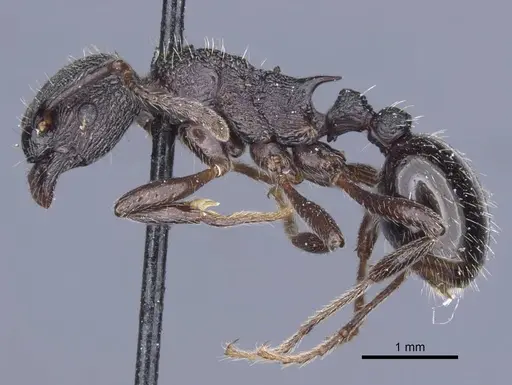
CASENT0280831
Ver en AntWeb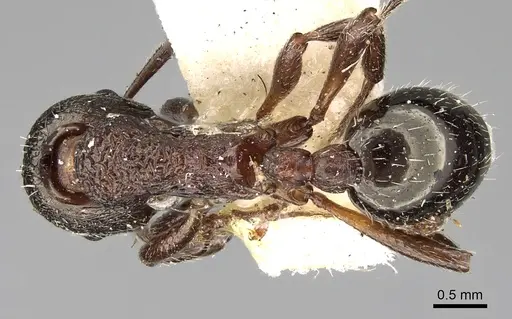
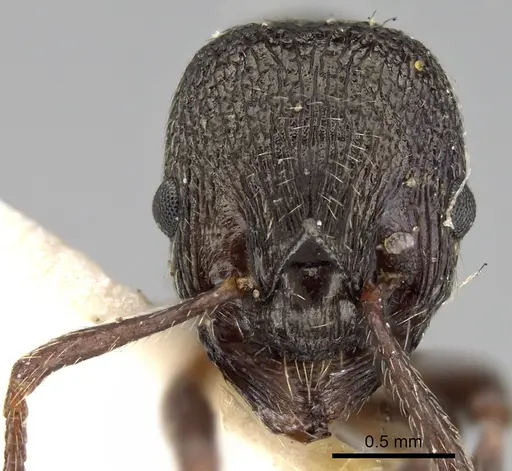
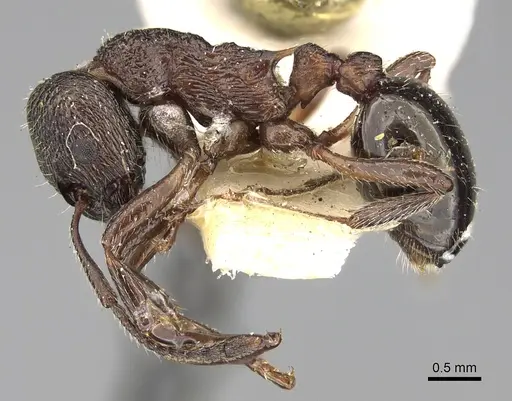
CASENT0900299
Ver en AntWeb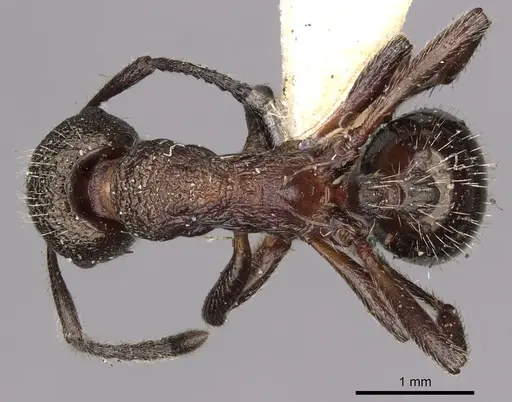
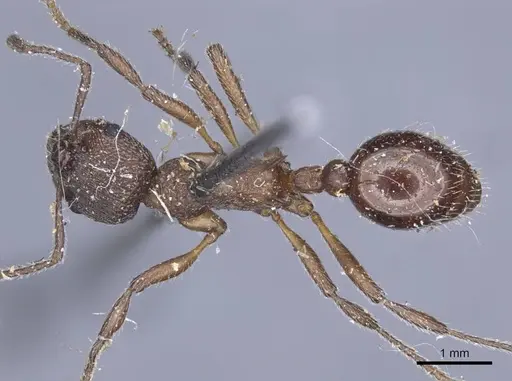
CASENT0916906
Ver en AntWeb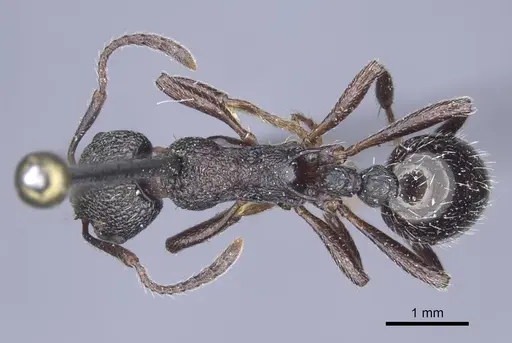
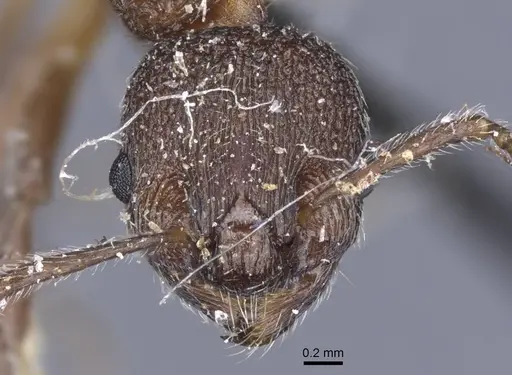
CASENT0916907
Ver en AntWeb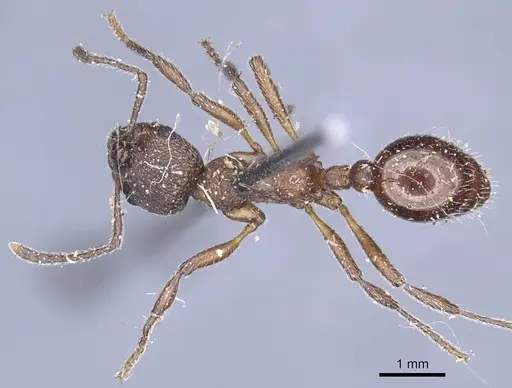
Literatura
Cargando mapa de distribución...Cargando productos...