
Messor lamellicornis
- Nom. cient.
- Messor lamellicornis
- Tribu
- Stenammini
- Subfamilia
- Myrmicinae
- Autor
- Arnol'di, 1968
- Distribución
- Encontrado en 0 países
Introducción
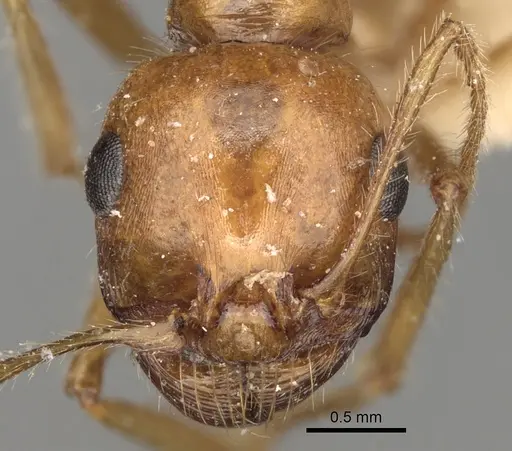
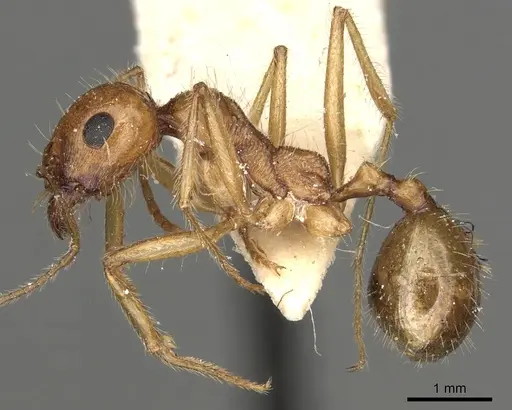
Messor lamellicornis is a harvester ant species native to the arid regions of Central Asia, specifically Kazakhstan, Turkmenistan, and Uzbekistan . Workers have the characteristic Messor body shape with a rounded head and distinct constriction between the mesosoma and gaster. The genus Messor is known for specialized seed-harvesting behavior where colonies collect and store seeds as their primary food source. This species inhabits the southern Karakum region and surrounding steppe habitats, characterized by hot summers, cold winters, and low precipitation . As a member of the Stenammini tribe, these ants have evolved adaptations for surviving in harsh, dry environments where food resources are seasonal.
Quick Summary
- Difficulty: Easy
- Origin & Habitat: Central Asia, Kazakhstan, Turkmenistan, and Uzbekistan in the Palaearctic region. Found in arid steppe and desert edge habitats like the southern Karakum [1][2].
- Colony Type: Colony structure is unconfirmed. Most Messor species are monogyne with single queen colonies, though polygyny has been documented in some species within the genus. Colonies develop major and minor worker castes.
- Size & Growth:
- Queen: Size data unavailable, inferred from Messor genus patterns (~10-14mm)
- Worker: Size data unavailable, inferred from Messor genus patterns (~4-8mm)
- Colony: Up to several thousand workers at maturity based on genus patterns
- Growth: Moderate
- Development: Estimated 8-12 weeks based on related Messor species at optimal temperature (Development time inferred from genus-level data, specific timeline for this species unconfirmed)
- Antkeeping:
- Temperature: Keep at 24-28°C during active season. These are Central Asian ants adapted to warm conditions but can tolerate room temperature. Provide a thermal gradient if possible.
- Humidity: Low to moderate, arid region species. Keep nest substrate dry to slightly moist, with a small water tube. Avoid excessive moisture which can cause mold in seed stores.
- Diapause: Yes, this species originates from a region with distinct seasons. Provide a winter rest period of 2-3 months at 10-15°C.
- Nesting: Y-tong (AAC) nests work well for this species. They prefer tight, dark chambers. Naturalistic setups with sand or soil substrates also work. Avoid overly humid conditions.
- Behavior: Generally calm and non-aggressive for a Myrmicinae species. Major workers use their powerful mandibles to crack seeds. Foraging activity is primarily during cooler hours. Minor workers handle most nest tasks while majors specialize in seed processing. Escape risk is moderate, use standard barriers. They are not known for stinging and pose no danger to keepers.
- Common Issues: seed storage mold, keep nest dry and remove uneaten seeds regularly, overheating in summer months, monitor temperatures above 30°C, colonies may decline if fed only sugar, they are obligate seed eaters, slow initial growth during founding phase can lead to overchecking by impatient keepers, winter mortality if not provided proper diapause conditions
Nest Preferences and Housing
Messor lamellicornis does well in Y-tong (AAC) nests with narrow chambers scaled to their size. These ants prefer dark, tight spaces and will readily move into provided nesting areas. A test tube setup works for founding colonies, but plan to move them to a proper formicarium once the colony reaches 30-50 workers. The nesting area should remain relatively dry, these are desert-adapted ants that prefer arid conditions. Provide a water tube for humidity but avoid creating damp conditions in the nest proper. Outworld space should allow for seed storage behavior, Messor species create granaries within their nests. [1]
Feeding and Diet
As true harvester ants, Messor lamellicornis specializes in collecting and processing seeds. In captivity, offer a variety of seeds including grass seeds, millet, flax, and commercial ant seed mixes. Major workers have specialized mandibles designed for cracking seed husks. They also accept small amounts of protein like crushed insects, but seeds should make up the majority of their diet. Never feed them only sugar or honey, these are not suitable as primary food sources for this species. Fresh water should always be available. Remove any uneaten seeds that show signs of mold to prevent colony health issues. [1]
Temperature and Seasonal Care
Maintain temperatures between 24-28°C during the active growing season. This species can tolerate slightly cooler room temperatures (20-24°C) but growth will slow. During winter, provide a diapause period of 2-3 months at 10-15°C to simulate their natural seasonal cycle. This rest period is important for colony health and longevity. Do not feed during diapause, the colony will be largely inactive. Avoid temperatures above 32°C as this can stress the colony. A heating cable on one side of the nest can create a beneficial thermal gradient. [2]
Behavior and Colony Structure
Messor lamellicornis exhibits the classic harvester ant behavior of collecting and storing seeds. Colonies develop distinct major and minor worker castes, majors have enlarged heads and mandibles for seed processing, while minors handle brood care and general nest maintenance. Queens are likely claustral founders based on genus patterns, sealing themselves in a chamber and raising the first brood alone. Workers are generally calm and non-aggressive toward keepers. The colony will establish seed storage chambers (granaries) within the nest. Foraging activity typically peaks during cooler parts of the day. This species is not known for stinging and poses no danger to humans. [1]
Growth and Development
After the founding phase (which may take 4-8 weeks based on genus patterns), the first workers (nanitics) emerge. These initial workers are typically smaller than normal workers but immediately begin foraging to support the colony. Growth is moderate, the colony will expand steadily through the first year. Major workers typically appear when the colony reaches several hundred workers. A mature colony can contain up to several thousand workers. The development timeline from egg to worker is estimated at 8-12 weeks based on related Messor species, though this specific timeline is unconfirmed for M. lamellicornis.
Frequently Asked Questions
How long does it take for Messor lamellicornis to produce first workers?
The founding phase typically takes 4-8 weeks for the first workers to emerge. This is based on typical Messor genus behavior where the queen seals herself in and raises the first brood alone.
What do Messor lamellicornis eat?
They are seed-harvester ants. Offer a variety of seeds including grass seeds, millet, and flax. They also accept small amounts of protein like crushed insects, but seeds should be their primary food.
Do Messor lamellicornis ants sting?
No, this species is not known for stinging and poses no danger to keepers. They are generally calm and focused on their seed-harvesting activities.
Can I keep multiple queens together?
This species is likely monogyne (single queen). Combining unrelated queens is not recommended as they may fight. Single-queen colonies are the norm for this genus.
Do Messor lamellicornis need hibernation?
Yes, they require a winter diapause period of 2-3 months at 10-15°C. This simulates their natural seasonal cycle in Central Asia and is important for colony health.
When should I move my colony to a formicarium?
Move from test tube to a proper nest once the colony reaches 30-50 workers. Messor ants need space for seed storage chambers as the colony grows.
Are Messor lamellicornis good for beginners?
Yes, they are considered easy to keep. They are forgiving of minor temperature fluctuations, do not require high humidity, and their seed-based diet is easy to maintain.
How big do Messor lamellicornis colonies get?
Mature colonies can reach up to several thousand workers. The development of major workers typically occurs once the colony reaches several hundred workers.
What temperature range is best for Messor lamellicornis?
Keep them at 24-28°C during the active season. They can tolerate 20-24°C but growth will slow. Avoid temperatures above 32°C.
Why are my ants not eating the seeds I offer?
Make sure seeds are appropriate size for your workers. Some Messor species prefer smaller seeds initially. Also ensure the colony is active and not in diapause. Try offering crushed seeds first to encourage acceptance.
Report an Issue
The current care sheet is based fully on literature. See inconsistencies, or something that's incorrect? Please , it will be resolved after review from an admin. Contributing to the blogs tab also helps providing information, to make us be able to further improve the caresheets. Thank you for your support!
References

Esta ficha de cuidados está bajo licencia CC BY-SA 4.0 .
Blogs de la comunidad
CASENT0281598
Ver en AntWeb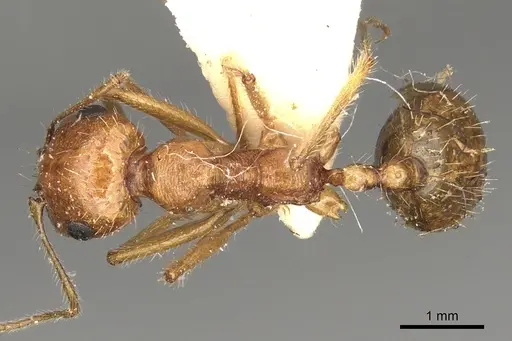
Literatura
Cargando mapa de distribución...Cargando productos...