
Melophorus marius
- Nom. cient.
- Melophorus marius
- Tribu
- Melophorini
- Subfamilia
- Formicinae
- Autor
- Forel, 1910
- Distribución
- Encontrado en 0 países
Introducción
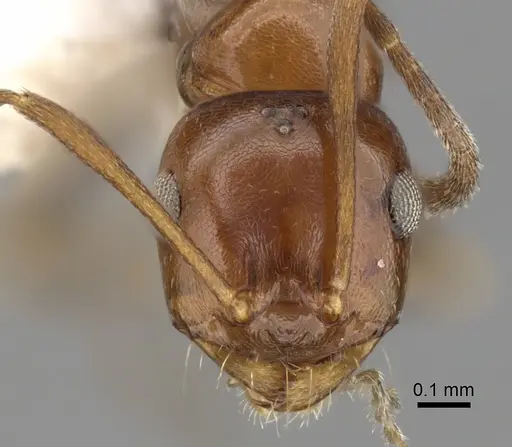
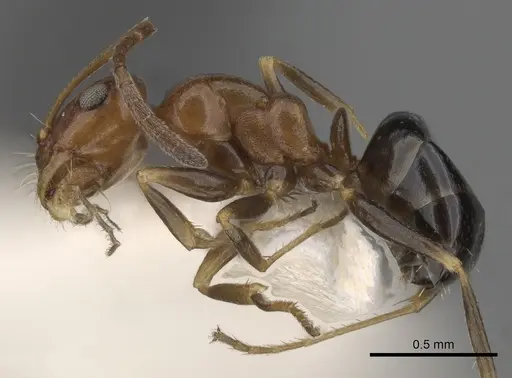
Melophorus marius is a small to medium-sized ant species native to Australia, specifically found in Western Australia including Barrow Island. Workers are bicolored orange-and-brown to brown with a darker brown to black gaster (abdomen). They belong to the Formicinae subfamily and have distinct major and minor worker castes. Major workers have a characteristic arched posterior clypeal margin and a weakly convex or dimpled anterior clypeal margin. This species was recently revived from synonymy with Melophorus biroi in 2021,though molecular data suggests it may still represent a species complex . These ants are adapted to arid Australian conditions and are typically found in warm, dry habitats.
Quick Summary
- Difficulty: Medium
- Origin & Habitat: Western Australia, Australasian region. Found on Barrow Island off the coast of WA. Inhabits arid to semi-arid environments typical of the region [2][1].
- Colony Type: Colony structure is not directly documented for this species. Based on typical Melophorus patterns, likely single-queen.
- Size & Growth:
- Queen: Size data unavailable, no specific measurements exist for this species. Estimated 10-12mm based on genus Melophorus patterns.
- Worker: Size data unavailable, no specific measurements exist for this species. Minor workers are smaller than major workers based on the presence of distinct castes [1].
- Colony: Estimated moderate colony size, likely several hundred workers based on related species.
- Growth: Moderate, typical for desert-adapted ants
- Development: Estimated 6-8 weeks at optimal temperature based on related Formicinae. Specific development data for this species is not available. (Development timeline not directly studied for this species. Estimates based on genus-level patterns.)
- Antkeeping:
- Temperature: Keep warm, around 26-30°C. These are heat-adapted ants from arid Australia. A heating cable on one side of the nest creates a gradient allowing workers to self-regulate.
- Humidity: Low to moderate. Keep nest substrate dry to slightly moist, think arid Australian desert conditions. Avoid damp, humid conditions.
- Diapause: Likely minimal or no true diapause. May have reduced activity during cooler months. Based on typical arid-adapted Melophorus behavior.
- Nesting: In nature they likely nest in soil or under stones in arid areas. In captivity, a Y-tong (AAC) or plaster nest works well. Avoid overly humid setups. Provide a dry outworld with access to sugar and protein foods.
- Behavior: These ants are generally peaceful and not aggressive. They are not known for stinging. Workers are active foragers, likely both diurnal and crepuscular given their desert adaptation. Major workers can be quite impressive with their larger heads. Escape risk is moderate, use standard barrier methods but they're not particularly prone to escaping like some tiny species.
- Common Issues: overhumidity is a common killer, these are arid-adapted ants and too much moisture can cause colony collapse, temperature too low will slow or stop development, they need warmth, limited availability since this species is rarely kept in captivity, species identification uncertainty, recent taxonomic revisions mean exact care requirements may vary
Nest Preferences and Housing
Melophorus marius is adapted to arid Australian conditions, so your nest setup should reflect this. A Y-tong (AAC) or plaster nest works well, both allow you to control humidity levels precisely. Avoid naturalistic setups with excessive moisture. The nest should be kept relatively dry with only minimal water reserves. In the outworld, provide a shallow water dish and feeding station. These ants don't need high humidity, so a test tube setup with a small water reservoir works for founding colonies. As the colony grows, you can transition to a more permanent formicarium setup. Ensure good ventilation to prevent mold, which thrives in humid conditions that these ants cannot tolerate. [1]
Feeding and Diet
Like most Formicinae ants, Melophorus marius is omnivorous. They likely accept sugar sources such as honey water or sugar water regularly. For protein, offer small insects like fruit flies, pinhead crickets, or mealworms. In the wild, these ants are probably opportunistic foragers, collecting nectar and hunting small invertebrates. Feed protein 2-3 times per week, and keep a sugar source available at all times. Remove uneaten prey after 24-48 hours to prevent mold. Given their Australian desert origin, they may have lower water requirements than tropical species, a shallow water dish in the outworld is usually sufficient.
Temperature and Heating
Temperature is crucial for this species. Being from arid Australia, they thrive in warm conditions, aim for 26-30°C in the nest area. A heating cable placed on top of the nest (never under, as it can cause excessive drying) creates a gentle warmth that mimics their natural environment. During summer months, room temperature may be adequate in warmer homes, but in cooler climates you'll need supplemental heating. Watch colony behavior: if workers cluster near the heated area, the temperature is right. If they avoid it entirely, reduce heat. Avoid temperatures below 20°C for extended periods as this can slow development and weaken the colony. No true hibernation is needed, but you may see reduced activity during winter months.
Behavior and Colony Dynamics
Melophorus marius has distinct worker castes, minor workers handle most tasks while major workers (with their enlarged heads) may serve defensive roles or help process larger food items. This species is not aggressive and workers are unlikely to sting. Colonies grow moderately, expect several months for a founding colony to produce its first nanitic workers. Major workers typically appear once the colony reaches a moderate size. These ants are active foragers and will readily explore their outworld in search of food. They're not known for being escape artists, but standard barrier methods like Fluon on test tube rims are still recommended. [1]
Acclimation and Species Notes
This species was recently revived from synonymy with Melophorus biroi in 2021,and molecular evidence suggests it may still represent a species complex [1]. This means captive colonies may show variation in behavior and requirements as we learn more about them. The Barrow Island population has been documented through environmental surveillance [2]. When keeping this species, observe your colony's preferences and adjust care accordingly. If your colony thrives at a certain temperature or humidity, that's likely optimal for that particular genetic line. As more keepers successfully breed this species, we'll gain better insight into their specific needs.
Frequently Asked Questions
How long does it take for Melophorus marius to produce first workers?
Expect 6-8 weeks from egg to first worker at optimal temperature (26-30°C). This is an estimate based on related Formicinae species, as specific development data for M. marius is not available. Founding colonies may take longer if temperatures are suboptimal.
What temperature do Melophorus marius ants need?
Keep them warm at 26-30°C. These are heat-adapted ants from arid Australia. Use a heating cable on the nest to maintain warmth, especially in cooler climates.
Can I keep Melophorus marius in a test tube setup?
Yes, test tubes work well for founding colonies. Use a small water reservoir and keep the setup relatively dry. Once the colony reaches 20-30 workers, consider transitioning to a more permanent formicarium.
What do Melophorus marius eat?
They are omnivorous. Offer sugar water or honey regularly, and protein sources like small insects (fruit flies, mealworms, pinhead crickets) 2-3 times per week.
Are Melophorus marius good for beginners?
This species is rated Medium difficulty. While not the hardest species, they have specific temperature and humidity needs that differ from more common pet species. Some experience with ant keeping is helpful.
How big do Melophorus marius colonies get?
Based on related species, colonies likely reach several hundred workers. Major workers appear once the colony is established. Growth is moderate.
Do Melophorus marius need hibernation?
No true hibernation is required. These are arid-adapted ants from a warm climate. They may show reduced activity in cooler months but no special winter treatment is needed.
Why is my Melophorus marius colony declining?
The most common cause is overhumidity, these ants need dry conditions. Check that the nest isn't too damp and that ventilation is adequate. Also ensure temperature is warm enough (26-30°C).
Can I keep multiple Melophorus marius queens together?
Not recommended. While colony structure isn't fully documented, Melophorus is typically single-queen. Combining unrelated queens hasn't been studied and likely results in fighting.
Report an Issue
The current care sheet is based fully on literature. See inconsistencies, or something that's incorrect? Please , it will be resolved after review from an admin. Contributing to the blogs tab also helps providing information, to make us be able to further improve the caresheets. Thank you for your support!
References

Esta ficha de cuidados está bajo licencia CC BY-SA 4.0 .
Blogs de la comunidad
CASENT0280488
Ver en AntWeb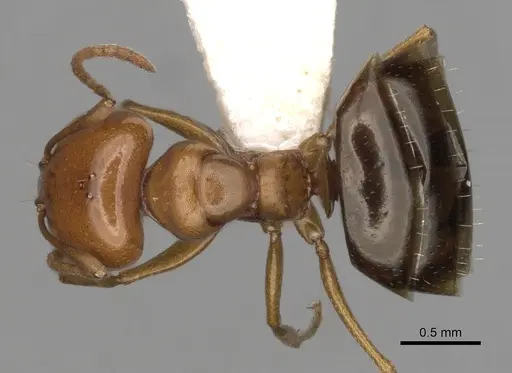
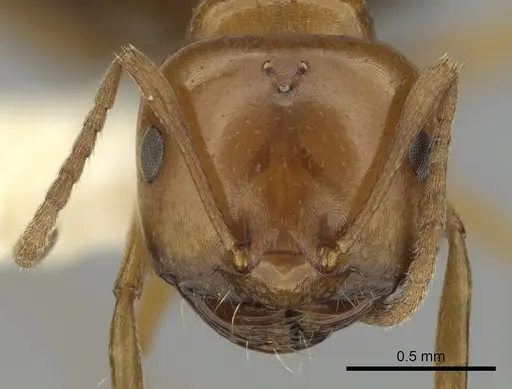
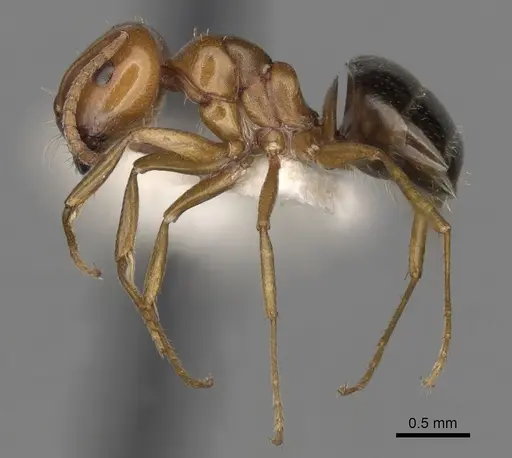
CASENT0280489
Ver en AntWeb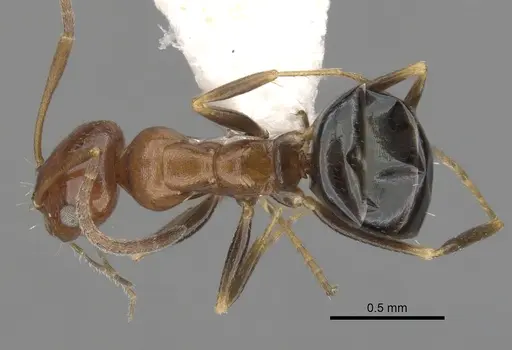
Literatura
Cargando mapa de distribución...Cargando productos...