
Harpegnathos medioniger
- Nom. cient.
- Harpegnathos medioniger
- Tribu
- Ponerini
- Subfamilia
- Ponerinae
- Autor
- Donisthorpe, 1942
- Distribución
- Encontrado en 0 países
Introducción
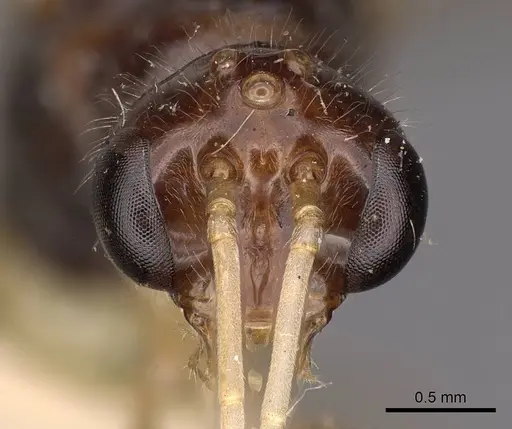
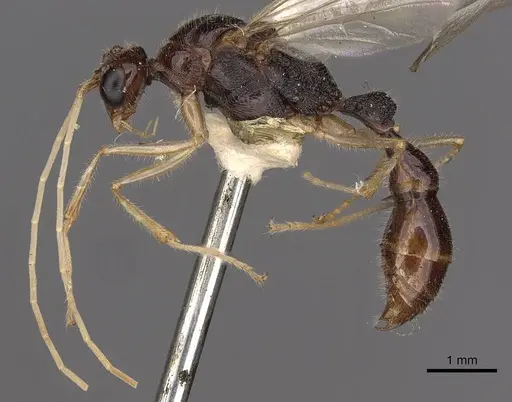
Harpegnathos medioniger is a ponerine ant species found only on Luzon Island in the Philippines . It was described from a male specimen in 1942 and is rarely observed in the wild . The genus Harpegnathos has trap-jaw mandibles and jumps when threatened. As a ponerine ant, it is predatory and has a sting. Size data for this species is not available, but based on genus patterns, individuals are medium-sized.
Quick Summary
- Difficulty: Expert
- Origin & Habitat: Luzon Island, Philippines [1]
- Colony Type: Unconfirmed, likely single queen based on genus patterns
- Size & Growth:
- Queen: Size data unavailable, inferred from Harpegnathos genus (~14-18mm)
- Worker: Size data unavailable, inferred from Harpegnathos genus (~10-14mm)
- Colony: Up to 500 workers based on genus patterns
- Growth: Moderate, inferred from related species
- Development: Estimated 8-12 weeks at tropical temperatures, inferred from genus patterns (Development time is inferred from related Harpegnathos species)
- Antkeeping:
- Temperature: Keep at tropical temperatures around 25-28°C. Use a heating cable to create a gradient.
- Humidity: Keep nest substrate consistently moist but not waterlogged.
- Diapause: No, tropical species does not require diapause [1].
- Nesting: Prefer moist soil or Y-tong nests with a humid outworld, inferred from genus patterns.
- Behavior: Harpegnathos ants are predatory, have trap-jaw mandibles, and can sting. They are moderately aggressive and good climbers, inferred from genus behavior.
- Common Issues: mold issues due to high humidity if ventilation is poor, requirement for live prey diet, potent sting makes handling risky, escape risk due to climbing ability, rare species may be hard to obtain
Housing and Nest Setup
Harpegnathos medioniger requires a humid setup to mimic tropical forest conditions. Use a Y-tong nest with moist plaster or a naturalistic soil nest. Provide a spacious outworld for hunting. Ensure escape prevention with fluon on rims and secure connections. The outworld should also be humid, as these ants do not tolerate dry conditions.
Feeding and Diet
Harpegnathos medioniger is predatory and needs live insects such as fruit flies, small crickets, or mealworms. Offer protein-rich foods 2-3 times per week. Sugar sources may be occasionally accepted but are not required. Always provide fresh water and remove uneaten prey after 24-48 hours to prevent mold.
Temperature and Seasonal Care
Keep Harpegnathos medioniger at tropical temperatures between 25-28°C. Use a heating cable on part of the nest to create a gradient. Since this species is from Luzon Island [1], it does not require diapause. Maintain stable temperatures year-round.
Behavior and Handling
Harpegnathos ants have trap-jaw mandibles and can jump when threatened. They possess a potent sting and are moderately aggressive. Handle with caution to avoid stings. These ants are diurnal foragers and good climbers, so escape prevention is important.
Colony Founding
Founding behavior for Harpegnathos medioniger is unconfirmed. Based on genus patterns, queens may need to hunt during founding, but no specific data exists. Expect slower initial development if semi-claustral.
Frequently Asked Questions
How long does it take for Harpegnathos medioniger to produce first workers?
The egg-to-worker timeline is estimated at 8-12 weeks at tropical temperatures, based on genus patterns. No direct data exists for this species.
Can I keep Harpegnathos medioniger in a test tube?
A test tube can work for founding colonies, but transition to a humid nest as the colony grows. Long-term, a moist plaster or soil-based nest is recommended.
Do Harpegnathos medioniger ants sting?
Yes, they have a potent sting and defensive behavior. Handle with caution and avoid disturbing the colony unnecessarily.
What do Harpegnathos medioniger eat?
They require live insects as primary food. Offer small crickets, fruit flies, or mealworms 2-3 times per week.
Are Harpegnathos medioniger good for beginners?
No, this species is not recommended for beginners due to limited data, tropical care needs, live prey requirement, and potent sting.
Do Harpegnathos medioniger need hibernation?
No, this tropical species from Luzon Island does not require diapause [1]. Maintain stable temperatures year-round.
How big do Harpegnathos medioniger colonies get?
Based on genus patterns, colonies may reach up to 500 workers. Growth is moderate.
Can I keep multiple Harpegnathos medioniger queens together?
Harpegnathos species typically have single-queen colonies. Combining unrelated queens is not recommended and may cause conflict.
Why is Harpegnathos medioniger so rarely kept?
This species has limited documentation, it was described from a male specimen in 1942 and is rarely observed [1]. It is not common in the antkeeping hobby.
Report an Issue
The current care sheet is based fully on literature. See inconsistencies, or something that's incorrect? Please , it will be resolved after review from an admin. Contributing to the blogs tab also helps providing information, to make us be able to further improve the caresheets. Thank you for your support!
References

Esta ficha de cuidados está bajo licencia CC BY-SA 4.0 .
Blogs de la comunidad
CASENT0900663
Ver en AntWeb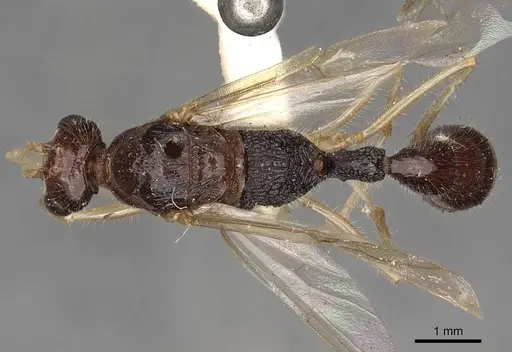
Literatura
Cargando mapa de distribución...Cargando productos...