
Goniomma otini
- Nom. cient.
- Goniomma otini
- Tribu
- Stenammini
- Subfamilia
- Myrmicinae
- Autor
- Santschi, 1929
- Distribución
- Encontrado en 0 países
Introducción
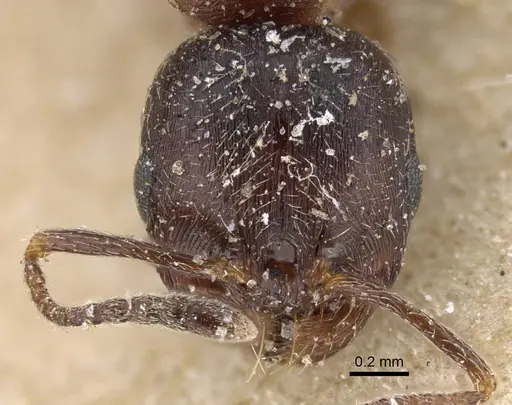
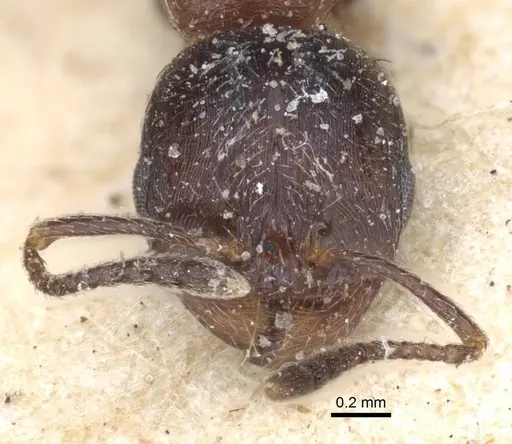
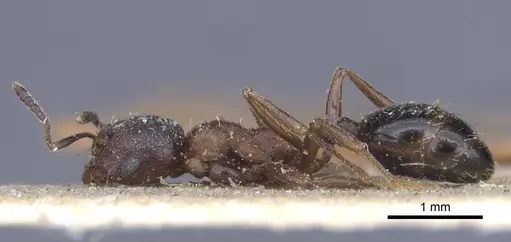
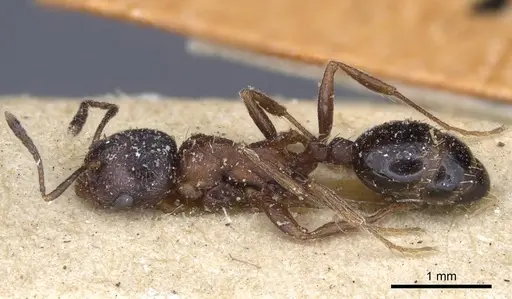
Goniomma otini is a small, dark ant species endemic to Morocco. Workers have the characteristic Myrmicinae features including a two-segmented petiole and epinotal spines. The species was originally described by Santschi in 1929 from specimens collected in Marrakesh and was later considered a synonym of Goniomma hispanicum before being reinstated as a valid species by Cagniant in 2006. This ant belongs to the tribe Stenammini, which includes well-known genera like Messor, suggesting it may share similar seed-harvesting behaviors. The species has been recorded from multiple locations across Morocco including Fes, Marrakech, Beni Mellal, and Ifrane, indicating adaptability to different regional conditions within the country .
Quick Summary
- Difficulty: Unknown, limited data available
- Origin & Habitat: Morocco, North Africa. Found across multiple locations from Marrakech in the south to Fes in the north, suggesting adaptability to varied microhabitats within a Mediterranean to semi-arid climate [1].
- Colony Type: Unconfirmed colony structure. The tribe Stenammini includes both single-queen and multi-queen species, but specific data for Goniomma otini is not available.
- Size & Growth:
- Queen: Size data unavailable, no direct measurements exist for this species
- Worker: Size data unavailable, no direct measurements exist for this species
- Colony: Unknown, no colony size data available for this species
- Growth: Unknown, no development data available
- Development: Unknown, no specific development data exists for this species (No specific development data exists for this species.)
- Antkeeping:
- Temperature: Keep at room temperature, roughly 22-26°C. Morocco experiences warm Mediterranean to semi-arid conditions, so they likely tolerate higher temperatures. Provide a gentle thermal gradient if possible.
- Humidity: Moderate humidity preferred. Morocco has variable humidity but generally drier conditions. Keep nest substrate lightly moist with some drier areas available. Avoid both waterlogging and complete drying out.
- Diapause: Unknown, no specific data. North African ants may have reduced activity periods rather than true hibernation.
- Nesting: Likely ground-nesting based on typical Myrmicinae behavior. A test tube setup works well for founding colonies. For established colonies, a Y-tong or plaster nest with moderate moisture retention would be appropriate.
- Behavior: Behavior is unstudied. Based on genus placement in Stenammini (which includes harvester ants), they likely forage for seeds and small insects. Escape risk is moderate due to small worker size, use standard barrier precautions. No documented aggression or stinging reports, but related species are generally non-aggressive.
- Common Issues: limited data means care recommendations are largely inferred, monitor colony response and adjust, no documented founding behavior, queen may be claustral like related species, unknown diapause requirements, observe seasonal activity patterns, colony size unknown so growth expectations are uncertain, escape prevention important given small worker size
Species Background and Taxonomy
Goniomma otini was originally described by Santschi in 1929 from worker specimens collected in Marrakesh, Morocco. For several decades, it was considered a junior synonym of Goniomma hispanicum until Henri Cagniant reinstated it as a valid species in 2006 based on updated taxonomic review. The species is endemic to Morocco, meaning it is found nowhere else in the world naturally. It has been recorded from multiple locations across the country including Fes, Sidi Bettache, Ez-Zhiliga, Oued Zem, Ifrane, Marrakech, and Beni Mellal, suggesting it has some adaptability to different environmental conditions within its limited range [1]. The epinotal spine angle was measured at 45° by Santschi in his original description [2].
Natural Habitat and Distribution
Goniomma otini is found exclusively in Morocco, making it a truly endemic species. The recorded distribution spans from Marrakech in the south-central region to Fes in the north, and extends to areas around Beni Mellal and Ifrane. This distribution covers parts of Morocco's varied terrain, from lower elevation areas around Marrakech to higher elevations near Ifrane in the Middle Atlas region. The climate across this range ranges from Mediterranean to semi-arid, with warm summers and mild, relatively wet winters. The species appears to be scattered across suitable habitats rather than restricted to a single microhabitat type [1].
Inferred Care Requirements
Since no specific biological data exists for Goniomma otini, care recommendations must be inferred from related species and the species' geographic origin. Based on Morocco's warm climate, maintain temperatures in the 22-26°C range, with the ability to tolerate slightly warmer conditions. Humidity should be moderate, keep the nest substrate lightly moist but allow some drier areas. The tribe Stenammini includes seed-harvesting ants like Messor, so Goniomma otini likely has similar dietary preferences, accepting seeds and small protein sources like insects. For nesting, a standard test tube setup works well for founding colonies, transitioning to a Y-tong or plaster nest as the colony grows. Always use appropriate escape prevention due to the small worker size.
Feeding and Diet
While no specific dietary studies exist for Goniomma otini, the Stenammini tribe includes well-known seed-harvesting ants. It is reasonable to assume they accept similar foods: small seeds, grains, and protein sources like small insects or aphid honeydew. Offer a varied diet including seeds appropriate to their small size, small insects like fruit flies or pinhead crickets, and occasional sugar sources like diluted honey or sugar water. Remove uneaten food promptly to prevent mold. Start with modest offerings and adjust based on colony acceptance and consumption rates.
Observing and Monitoring
Given the limited scientific data available for this species, careful observation of your colony is particularly valuable. Note behavioral patterns, preferred temperatures within any gradient provided, feeding preferences, and growth rates. Document your observations, they contribute to our understanding of this rarely studied species. Take photos of workers, brood development stages, and any notable behaviors. This species represents an opportunity for citizen science contribution, as captive observations can help fill knowledge gaps about Goniomma otini biology.
Frequently Asked Questions
How long does it take for Goniomma otini to produce first workers?
The egg-to-worker timeline is unknown as no development studies exist for this species. Be patient, limited data means growth expectations are uncertain.
What do Goniomma otini ants eat?
While not directly studied, they likely accept seeds, small insects, and sugar sources similar to related Stenammini species. Offer small seeds, tiny insects like fruit flies, and occasional honey or sugar water. Remove uneaten food promptly.
What temperature should I keep Goniomma otini at?
Maintain roughly 22-26°C based on Morocco's warm Mediterranean to semi-arid climate. They likely tolerate warmer conditions. A gentle thermal gradient allows the colony to choose their preferred temperature.
Do Goniomma otini ants sting?
Stinging behavior has not been documented for this species. Related Myrmicinae species generally have stingers but use them rarely. Handle gently and observe normal ant behavior.
Is Goniomma otini a good species for beginners?
Difficulty level cannot be determined due to limited data. The species is rarely kept, so established husbandry protocols do not exist. This makes it a species for experienced antkeepers who enjoy observing and experimenting, rather than beginners following established guides.
How big do Goniomma otini colonies get?
Colony size is unknown, no colony size data exists for this species.
Do Goniomma otini need hibernation or diapause?
Diapause requirements are unconfirmed. North African ants may experience reduced activity during cooler months rather than true hibernation. Monitor your colony's seasonal activity and adjust care accordingly.
What type of nest should I use for Goniomma otini?
A test tube setup works well for founding colonies. For established colonies, a Y-tong or plaster nest with moderate moisture retention is appropriate. Ensure chambers are scaled to their small worker size.
Can I keep multiple Goniomma otini queens together?
Colony structure (single-queen vs multi-queen) is unconfirmed for this species. No data exists on queen combination or pleometrosis. Do not attempt combining unrelated queens without documented evidence of success.
Where is Goniomma otini found in the wild?
Goniomma otini is endemic to Morocco, found nowhere else naturally. Recorded locations include Marrakech, Fes, Beni Mellal, and Ifrane, spanning different regions of the country [1].
Report an Issue
The current care sheet is based fully on literature. See inconsistencies, or something that's incorrect? Please , it will be resolved after review from an admin. Contributing to the blogs tab also helps providing information, to make us be able to further improve the caresheets. Thank you for your support!
References

Esta ficha de cuidados está bajo licencia CC BY-SA 4.0 .
Blogs de la comunidad
CASENT0916946
Ver en AntWeb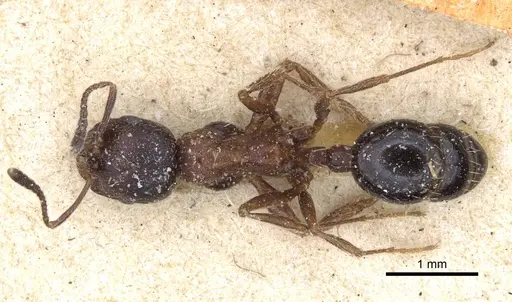
Literatura
Cargando mapa de distribución...Cargando productos...