
Echinopla densistriata
- Nom. cient.
- Echinopla densistriata
- Tribu
- Camponotini
- Subfamilia
- Formicinae
- Autor
- Stitz, 1938
- Distribución
- Encontrado en 0 países
Introducción
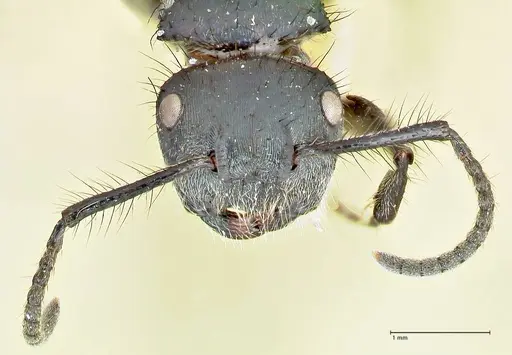
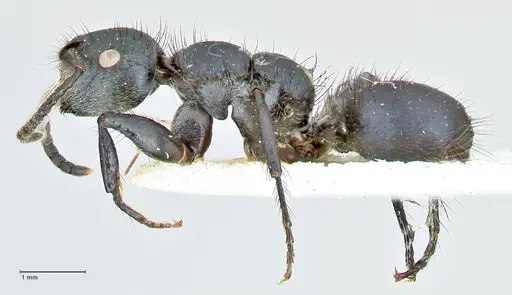
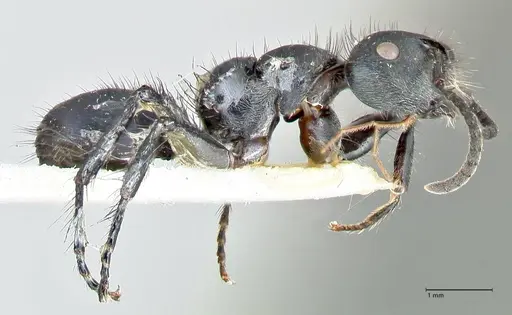
Echinopla densistriata is a small to medium-sized ant belonging to the Formicinae subfamily, found in the rainforests of Borneo, Indonesia, and Malaysia [AntWiki]. Workers are black with distinctive longitudinal striations on the propodeum and gaster, giving them a textured appearance. The pronotum has acutely toothed humeral corners, and the propodeum is roughly rectangular with weakly widened posterior corners that are acutely toothed . This species belongs to the striata-group within the genus Echinopla, characterized by their spiny features and arboreal nesting habits. These ants are tropical forest dwellers that nest in rotting wood or under bark.
Quick Summary
- Difficulty: Medium
- Origin & Habitat: Borneo, Indonesia, and Malaysia, tropical rainforest environments with high humidity and warm temperatures year-round [1][2]
- Colony Type: Colony structure is unconfirmed. Based on genus patterns, likely single-queen colonies (monogyne) typical of most Formicinae.
- Size & Growth:
- Queen: ~7-9mm, estimated from Echinopla genus patterns
- Worker: ~5-7mm, estimated from Echinopla genus patterns
- Colony: Up to several hundred workers, estimated from related species
- Growth: Moderate, estimated based on typical Formicinae development
- Development: Estimated 6-10 weeks at optimal tropical temperatures (25-28°C) based on genus-level data for related Formicinae (Development time is estimated from related species, specific data for E. densistriata is not available)
- Antkeeping:
- Temperature: Keep at 24-28°C (warm tropical conditions). A heating cable on one side of the nest creates a gentle gradient. Room temperature may suffice if your home stays in this range.
- Humidity: High humidity is essential, aim for 70-80% relative humidity. Keep the nest substrate consistently moist but not waterlogged. These forest-dwelling ants need damp conditions.
- Diapause: No true diapause required, being a tropical species, they do not hibernate. However, slight temperature reduction during cooler months may slow activity naturally.
- Nesting: In captivity, they do well in Y-tong (AAC) nests, plaster nests, or naturalistic setups with rotting wood. They prefer tight, humid chambers over dry, open spaces. Avoid test tubes as primary housing, they need more space and humidity control than tubes provide.
- Behavior: Workers are active foragers that search for honeydew and small prey. They lack a functional sting, instead, they bite and spray a stream of concentrated formic acid from their acidopore into the wound. Their small size (5-7mm) means escape prevention is important, use fine mesh barriers and tight-fitting lids. They are arboreal by nature, so they will climb actively and explore vertical spaces.
- Common Issues: high humidity requirements can lead to mold if ventilation is poor, balance is key, small size makes escape prevention critical, they can squeeze through tiny gaps, tropical species will not tolerate cool temperatures below 20°C, slow colony growth can frustrate beginners, patience is essential, wild-caught colonies may carry parasites that cause problems in captivity
Housing and Nest Setup
Echinopla densistriata requires humid, warm conditions that mimic their tropical forest habitat. Y-tong (AAC) nests work well because they hold humidity consistently and provide dark chambers for the colony. Plaster nests are another good option, they absorb moisture and maintain a damp environment. For naturalistic setups, use rotting wood pieces or cork bark as nesting material. Avoid test tubes as primary housing, while useful for founding colonies, they dry out too quickly and do not provide enough space for growing colonies. The nest should have chambers tight enough that workers feel secure, not large open spaces. [1][2]
Feeding and Diet
Like other Formicinae, Echinopla densistriata workers eat honeydew from aphids and scale insects in addition to small insects. In captivity, offer sugar water or honey as a constant energy source. For protein, provide small insects like fruit flies, small crickets, or mealworms. Feed protein prey 2-3 times per week, and keep sugar water available at all times. Remove uneaten prey after 24 hours to prevent mold. These ants are not large predators, prey items should be appropriately sized to their worker size. [2]
Temperature and Heating
Being a tropical species from Borneo, Echinopla densistriata needs warm conditions year-round. Keep the nest area at 24-28°C. If your room temperature falls below this range, use a heating cable placed on top of the nest (never underneath, as this can dry out the nest too quickly). Create a temperature gradient so workers can choose their preferred warmth. Avoid temperatures below 20°C, prolonged cool conditions will weaken and potentially kill the colony. A small thermostat or temperature controller helps maintain stable conditions. [1]
Humidity Management
High humidity is critical for this species. Aim for 70-80% relative humidity inside the nest. Keep the substrate consistently moist, it should feel damp to the touch but not have standing water. Mist the outworld occasionally, but focus on maintaining moisture in the nest itself. Use a water reservoir in your formicarium if available. Balance humidity with adequate ventilation to prevent mold growth. If you see mold appearing, improve ventilation and temporarily reduce moisture until the mold is removed. [2]
Colony Development and Growth
Colony growth is moderate rather than fast. A newly mated queen will take 6-10 weeks to produce her first workers (nanitics) under optimal conditions. After that, growth depends on feeding and temperature, well-fed colonies in warm, humid conditions develop faster. Expect the first year to produce perhaps 20-50 workers. Mature colonies may reach several hundred workers. Patience is essential with this species, they are not fast growers like some tropical ants.
Behavior and Temperament
Workers are active foragers that will explore the outworld regularly. They are not particularly aggressive toward keepers. As Formicinae ants, they lack a functional sting, instead, they defend by biting and spraying formic acid from their acidopore. Their small size means they are good climbers and will attempt to escape through any gap. Always use excellent escape prevention, a barrier of fluon on the rim of the outworld helps. They are diurnal, with most activity during daylight hours. Queens are likely claustral founders, they seal themselves in a chamber and raise the first brood alone without foraging. [2]
Frequently Asked Questions
How long does it take for Echinopla densistriata to produce first workers?
Expect 6-10 weeks from egg to first worker at optimal temperatures (25-28°C). This is typical for Formicinae species. The queen will seal herself in and raise the first brood alone.
What do Echinopla densistriata ants eat?
They eat honeydew and small insects. Offer sugar water or honey constantly, and feed small insects like fruit flies or small mealworms 2-3 times per week.
Can I keep Echinopla densistriata in a test tube?
Test tubes work for founding colonies but are not ideal long-term. These ants need high humidity and more space than tubes provide. Move them to a Y-tong or plaster nest once the colony reaches 20+ workers.
What temperature do Echinopla densistriata need?
Keep them at 24-28°C (warm tropical conditions). They will not tolerate temperatures below 20°C for long periods.
Do Echinopla densistriata need hibernation?
No, as a tropical species from Borneo, they do not require hibernation. They remain active year-round if kept warm.
How big do Echinopla densistriata colonies get?
Colony size is not well documented for this species, but related Echinopla species typically reach several hundred workers.
Are Echinopla densistriata good for beginners?
They are rated as medium difficulty. The main challenges are maintaining high humidity and providing warm conditions year-round. Beginners should be prepared for these requirements.
Why are my Echinopla densistriata dying?
Common causes include: temperatures below 20°C, low humidity causing desiccation, mold from poor ventilation, or escape. Check these parameters first.
When should I move my colony to a formicarium?
Move from a test tube to a proper nest (Y-tong or plaster) once the colony reaches 15-30 workers and the test tube is getting crowded or drying out.
Report an Issue
The current care sheet is based fully on literature. See inconsistencies, or something that's incorrect? Please , it will be resolved after review from an admin. Contributing to the blogs tab also helps providing information, to make us be able to further improve the caresheets. Thank you for your support!
References

Esta ficha de cuidados está bajo licencia CC BY-SA 4.0 .
Blogs de la comunidad
FOCOL2562
Ver en AntWeb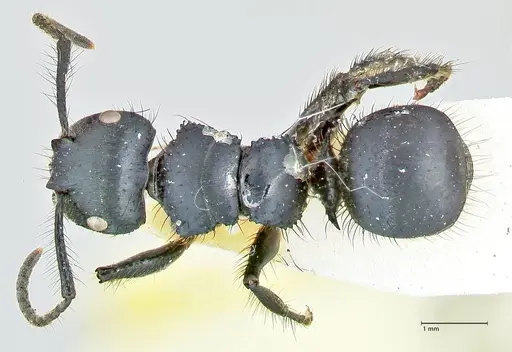
Literatura
Cargando mapa de distribución...Cargando productos...