
Dorymyrmex steigeri
- Nom. cient.
- Dorymyrmex steigeri
- Tribu
- Leptomyrmecini
- Subfamilia
- Dolichoderinae
- Autor
- Santschi, 1912
- Distribución
- Encontrado en 0 países
Introducción
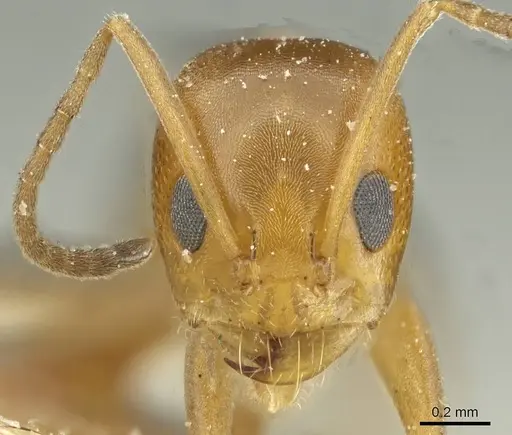
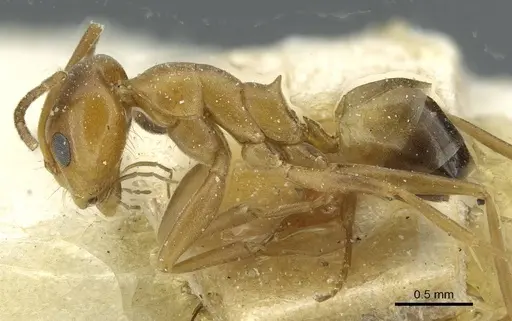
Dorymyrmex steigeri is a small ant native to the grasslands of Argentina and Uruguay. Workers have a reddish-brown to dark brown coloration typical of the genus. This species belongs to the Dolichoderinae subfamily, which includes the Argentine ant. In the wild, Dorymyrmex steigeri thrives in grazed savanna ecosystems where it ranks as the third most abundant ant species, demonstrating its competitive nature in open, disturbed habitats . The species was first described by Santschi in 1912,with a subspecies Dorymyrmex steigeri platensis also recognized .
Quick Summary
- Difficulty: Medium
- Origin & Habitat: Native to the grazed savanna ecosystems of Argentina and Uruguay, particularly documented in Buenos Aires, Corrientes province, and Uruguay. These ants prefer open, sunny grassland habitats with sparse vegetation, typical of heavily grazed areas [1][3][4].
- Colony Type: Colony structure is unconfirmed.
- Size & Growth:
- Queen: size data unavailable
- Worker: ~3-4mm, inferred from Dorymyrmex genus
- Colony: Unknown, no colony size data available for this species
- Growth: Moderate, inferred from related Dolichoderinae
- Development: Estimated 6-8 weeks at optimal temperature based on typical Dolichoderinae development (Development timeline not directly studied for this species. Estimates based on genus-level patterns.)
- Antkeeping:
- Temperature: Keep at 22-26°C. They naturally occur in temperate subtropical regions of Argentina/Uruguay, so room temperature or slight warming is appropriate.
- Humidity: Low to moderate. Grazed savanna habitats experience seasonal dryness, so avoid overly damp conditions. Provide a water source but keep nesting area relatively dry.
- Diapause: Likely required. Based on temperate origin (Argentina/Uruguay), expect a winter rest period of 2-3 months at 10-15°C.
- Nesting: Natural nesting occurs in soil, typically under stones or in open ground in sunny locations. In captivity, standard test tubes or formicaria with dry to slightly moist substrate work well. They prefer sunny, open nesting sites.
- Behavior: Dorymyrmex steigeri belongs to the Opportunist/Dominant Dolichoderinae functional group, meaning they are competitive and aggressive toward other ants [3]. Workers are active foragers that search for food openly. They have moderate escape ability. Use standard escape prevention. They lack a functional sting but can emit defensive secretions when disturbed, typical of Dolichoderinae.
- Common Issues: lack of documented captive care means trial-and-error is required for optimal husbandry, winter diapause requirements are inferred but not confirmed for this species, dominance behavior may lead to aggression toward other ant colonies if housed together, humidity preferences are not well-documented, start with drier conditions and adjust, limited availability in the antkeeping hobby means wild-caught colonies are the primary source
Natural History and Distribution
Dorymyrmex steigeri is found exclusively in the southern cone of South America, specifically Argentina and Uruguay. The species was originally described from specimens collected in Buenos Aires, Argentina, and additional records exist from Uruguay and Corrientes province [4][3]. These ants are strongly associated with grazed savanna ecosystems, open grassland areas that have been modified by livestock grazing. In these habitats, Dorymyrmex steigeri is remarkably successful, ranking as the third most abundant ant species in surveyed areas [1]. This abundance in disturbed, open habitats suggests they are excellent competitors that thrive in sunny, relatively dry conditions with sparse ground cover. The subspecies Dorymyrmex steigeri platensis was described from the same general region, indicating some regional variation in populations [2].
Housing and Nest Setup
Based on their natural habitat in open grazed savanna, Dorymyrmex steigeri prefers sunny, relatively dry nesting conditions. In captivity, provide a nest area with access to warmth and light, these ants do well with a temperature gradient allowing them to choose their preferred spot. Test tube setups work well for founding colonies, while acrylic or plaster formicaria are suitable for established colonies. The nesting area should be kept relatively dry compared to tropical species, aim for substrate that is moist but not waterlogged, with some drier areas available. Provide an outworld for foraging where you can offer food. Because they are from temperate regions, ensure the nest receives some natural light cycles. Use standard escape prevention as workers are moderate-sized.
Feeding and Diet
As a Dolichoderinae ant, Dorymyrmex steigeri is likely omnivorous with a preference for sugary liquids and protein sources. In the wild, they probably forage for honeydew from aphids and scale insects, plus hunt small insects. For captive feeding, offer sugar water or honey regularly as a carbohydrate source. For protein, provide small insects like fruit flies, small crickets, or mealworm pieces. Based on their abundance in grazed savanna, they are likely flexible feeders that capitalize on available resources. Feed protein 2-3 times per week and keep sugar water available at all times. Remove uneaten prey after 24 hours to prevent mold.
Seasonal Care and Overwintering
Dorymyrmex steigeri originates from the temperate regions of Argentina and Uruguay, which experience distinct seasons with cool winters. Based on this geographic origin, you should provide a winter diapause period. Reduce temperatures to 10-15°C for 2-3 months during winter (roughly November-February in the Northern Hemisphere). During this time, reduce feeding significantly and allow the colony to slow down. In summer, they can tolerate warmer temperatures up to 28-30°C, reflecting their natural adaptation to hot, sunny savanna conditions. Monitor colony behavior, if workers become sluggish and cluster together, they may be too cool, if they avoid the heated areas, reduce temperature.
Colony Development and Growth
Specific colony development data for Dorymyrmex steigeri is not documented in scientific literature. Based on typical Dolichoderinae patterns, expect founding colonies to progress through egg, larva, and pupa stages over 6-8 weeks at optimal temperature (around 24-26°C). The first workers (nanitics) will be smaller than mature workers. Colonies likely grow moderately, not as fast as some tropical species but faster than cold-climate ants. Maximum colony size is unknown. Be patient with founding colonies, the initial growth phase is slow but accelerates once the first workers establish the colony.
Frequently Asked Questions
How long does it take for Dorymyrmex steigeri to produce first workers?
Expect 6-8 weeks from egg to first worker at optimal temperature (24-26°C). This is an estimate based on typical Dolichoderinae development, as specific development data for this species is not available.
Do Dorymyrmex steigeri ants need hibernation?
Yes, based on their origin in temperate Argentina/Uruguay, a winter diapause of 2-3 months at 10-15°C is recommended. Reduce feeding during this period.
What do Dorymyrmex steigeri ants eat?
They are omnivorous. Offer sugar water or honey regularly for carbohydrates, plus small insects like fruit flies or cricket pieces for protein. Feed protein 2-3 times per week.
Are Dorymyrmex steigeri good for beginners?
This species is rated as Medium difficulty. While not the most challenging, limited documented care information means you may need to experiment to find optimal conditions. Related Dolichoderinae like Linepithema are commonly kept, so general genus knowledge applies.
How big do Dorymyrmex steigeri colonies get?
Maximum colony size is unknown for this specific species.
Can I keep multiple Dorymyrmex steigeri queens together?
Colony structure is unconfirmed for this species. Based on genus patterns, they are likely single-queen (monogyne) colonies. Combining unrelated queens is not recommended without evidence they can found colonies pleometrotically.
What temperature is best for Dorymyrmex steigeri?
Keep nest temperatures around 22-26°C. They can tolerate warmer conditions up to 28-30°C in summer. Room temperature often falls within this range.
Where is Dorymyrmex steigeri found in the wild?
This species is native to the grazed savanna ecosystems of Argentina and Uruguay, particularly documented in Buenos Aires, Corrientes province, and Uruguay.
Is Dorymyrmex steigeri aggressive toward other ants?
Yes, they belong to the Opportunist/Dominant Dolichoderinae functional group, meaning they are competitive and aggressive toward other ant species.
Report an Issue
The current care sheet is based fully on literature. See inconsistencies, or something that's incorrect? Please , it will be resolved after review from an admin. Contributing to the blogs tab also helps providing information, to make us be able to further improve the caresheets. Thank you for your support!
References

Esta ficha de cuidados está bajo licencia CC BY-SA 4.0 .
Blogs de la comunidad
CASENT0911534
Ver en AntWeb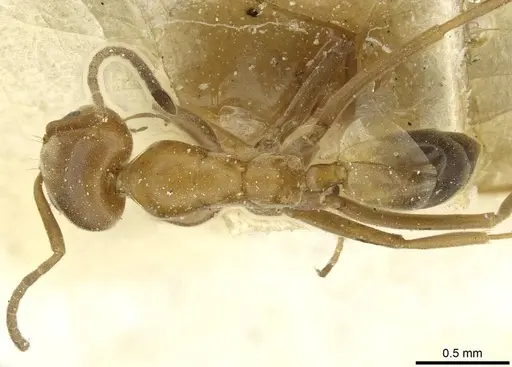
Literatura
Cargando mapa de distribución...Cargando productos...