
Dorymyrmex coniculus
- Nom. cient.
- Dorymyrmex coniculus
- Tribu
- Leptomyrmecini
- Subfamilia
- Dolichoderinae
- Autor
- Santschi, 1922
- Distribución
- Encontrado en 0 países
Introducción
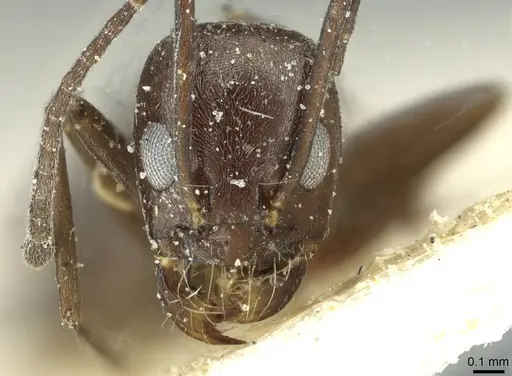
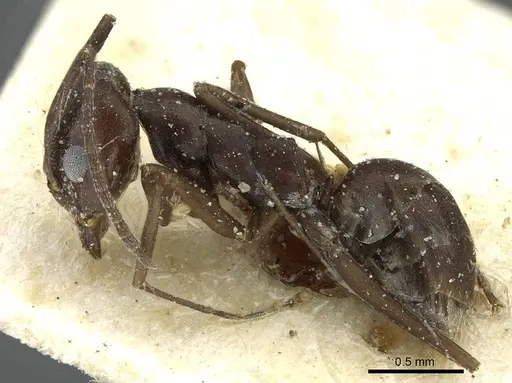
Dorymyrmex coniculus is a small ant species native to Argentina, belonging to the Dolichoderinae subfamily. Workers are modest in size and feature the characteristic conical head shape that gives the genus its common name. The species was described by Santschi in 1922 and is found primarily in the Argentine Neotropical region, with specimens collected from Patagonia. [AntWiki] This species remains poorly documented in scientific literature, meaning much of what we know about its care comes from general Dorymyrmex genus patterns rather than species-specific research.
Quick Summary
- Difficulty: Medium
- Origin & Habitat: Native to Argentina in the Neotropical region. Specimens have been collected from Patagonia, particularly the Golfe St-Georges area in southern Argentina. They likely inhabit open to semi-open ground nests in warm, relatively dry conditions typical of Argentine ecosystems. [2][1]
- Colony Type: Colony structure is unconfirmed. Most Dorymyrmex species are monogyne (single-queen colonies), though this has not been specifically documented for D. coniculus. [1]
- Size & Growth:
- Queen: Size data unavailable, no specific measurements exist for this species. Inferred from Dorymyrmex genus patterns, queens are likely 6-9mm.
- Worker: Size data unavailable, worker measurements have not been documented in available literature. Inferred from related Dorymyrmex species, workers typically range 2.5-5mm.
- Colony: Unconfirmed. Most Dorymyrmex colonies reach several hundred to a few thousand workers.
- Growth: Unknown, no development data exists for this species. Expect moderate growth based on genus patterns.
- Development: Unconfirmed. Based on typical Dolichoderinae development, estimate 6-10 weeks at optimal temperature. (No species-specific development data exists. Timing is inferred from related genus members.)
- Antkeeping:
- Temperature: Keep at 24-28°C. Dorymyrmex are warmth-loving ants from temperate to subtropical regions. A heating cable on one side of the nest creates a gradient allowing workers to self-regulate.
- Humidity: Moderate to low humidity. These are ground-nesting ants from relatively dry Argentine habitats. Keep nest substrate slightly moist but allow portions to dry between waterings. Avoid overly damp conditions.
- Diapause: Likely required. Argentine species experience seasonal temperature changes. Provide a cool period around 10-15°C for 2-3 months during winter, reducing feeding frequency.
- Nesting: Ground-nesting species. In captivity, they do well in Y-tong (AAC) nests, plaster nests, or naturalistic setups with soil substrate. Provide a moisture gradient with a damp side and drier area. Test tube setups work for founding colonies.
- Behavior: Dorymyrmex ants are active foragers with aggressive tendencies toward other ant species. Workers are quick-moving and efficient at locating food sources. They are primarily omnivorous, collecting honeydew from aphids and hunting small insects. Dorymyrmex species lack a functional sting, their primary defense is secreting defensive chemical compounds from a slit-like opening at the tip of the abdomen, which produces a distinctive odor when disturbed. Escape prevention should be moderate, they are not tiny ants but are active and may explore gaps. Apply Fluon or similar barriers to standard formicarium openings.
- Common Issues: limited data means care parameters are estimates, monitor colony response and adjust accordingly, ground-nesting behavior requires proper humidity balance, too wet causes mold and colony stress, winter diapause is likely required for this Argentine species, skipping it may weaken colonies over time, poorly documented species means founding success rates are unknown, be patient with slow colony development, aggressive foraging may lead to escape attempts if barriers are inadequate
Nest Preferences and Housing
Dorymyrmex coniculus is a ground-nesting species that naturally forms nests in soil, often in open areas with sparse vegetation. In captivity, they adapt well to various nest types. Y-tong (AAC) nests work excellently, the acrylic and plaster construction holds humidity well while allowing you to create a moisture gradient. Plaster nests are another good option, as they can be kept slightly damp on one end. For a naturalistic approach, use a container filled with sandy soil or a soil/plaster mix. Test tube setups are suitable for founding colonies, use a water reservoir with a cotton plug, but monitor for flooding. Regardless of nest type, provide a moisture gradient so workers can choose their preferred humidity zone.
Feeding and Diet
Like most Dorymyrmex species, D. coniculus is omnivorous. They readily accept sugar sources, offer honey water or sugar water regularly, especially for established colonies. For protein, provide small insects such as fruit flies, small crickets, mealworms, or wax moth larvae. In the wild, they forage for honeydew from aphids and scale insects, so offering sweet liquids mimics this natural food source. Feed protein 2-3 times per week, and keep sugar water available at all times. Remove uneaten prey after 24-48 hours to prevent mold. Workers are active foragers, so place food near foraging paths for best acceptance.
Temperature and Seasonal Care
Dorymyrmex coniculus comes from temperate Argentina, so they prefer warm conditions with a distinct seasonal cycle. Keep nest temperatures between 24-28°C during the active season. A heating cable placed on one side of the nest creates an ideal temperature gradient, workers will move between warmer and cooler areas as needed. During winter (roughly November through February in the Northern Hemisphere), reduce temperatures to 10-15°C to simulate their natural dormancy period. During diapause, reduce feeding to once every 2-3 weeks and minimize disturbance. Do not feed heavily during hibernation as the colony's metabolism slows. Returning to warm conditions in spring typically triggers renewed egg-laying.
Behavior and Colony Dynamics
Dorymyrmex ants are known for their active, aggressive foraging behavior. Workers are quick and efficient at locating food, and they can be territorial toward other ant species. Dorymyrmex species lack a functional sting, their primary defense is a smear defense, secreting defensive chemical compounds from a slit-like opening at the tip of the abdomen. You may notice a distinctive coconut-like or musty odor if you handle them roughly or disturb the nest. Colonies are typically single-queen (monogyne), though this hasn't been specifically documented for D. coniculus. Workers are moderately polymorphic, you may see some size variation among workers. The colony will establish clear foraging routes and maintain activity patterns centered on food discovery. They are not particularly large ants but are energetic, so ensure your formicarium has adequate space for expansion as the colony grows.
Frequently Asked Questions
How long does it take for Dorymyrmex coniculus to produce first workers?
The exact timeline is unknown for this species. Based on typical Dolichoderinae development, expect 6-10 weeks from egg to first worker at optimal temperature (around 24-28°C). Be patient, founding colonies often seem slow as the queen tends to her first batch of eggs alone.
What temperature do Dorymyrmex coniculus ants need?
Keep them at 24-28°C during the active season. Use a heating cable on one side of the nest to create a temperature gradient, allowing workers to regulate their own temperature by moving between warmer and cooler areas. During winter diapause, reduce to 10-15°C.
Do Dorymyrmex coniculus ants need hibernation?
Yes, likely required. Since this species comes from Argentina with distinct seasons, provide a cool period (10-15°C) for 2-3 months during winter. Reduce feeding frequency during this time and avoid disturbing the colony. Skipping hibernation may weaken the colony over time.
What do Dorymyrmex coniculus ants eat?
They are omnivorous. Offer sugar water or honey water constantly, they need carbohydrates for energy. For protein, provide small insects like fruit flies, small crickets, or mealworms 2-3 times per week. Remove uneaten prey after 24 hours to prevent mold.
Are Dorymyrmex coniculus good for beginners?
This species is rated Medium difficulty primarily because it is poorly documented, there is limited species-specific care information available. If you have experience with other Dolichoderinae like Argentine ants or velvety tree ants, you should manage well. However, be prepared to adjust care based on colony behavior and expect some trial and error.
How big do Dorymyrmex coniculus colonies get?
Colony size is unconfirmed for this specific species, but based on typical Dorymyrmex patterns, expect several hundred to a few thousand workers at maturity. Growth is moderate, give them 1-2 years to reach several hundred workers under good conditions.
Can I keep multiple Dorymyrmex coniculus queens together?
This has not been documented for D. coniculus. Most Dorymyrmex species are monogyne (single-queen), so combining unrelated queens is not recommended. If you have multiple founding queens, house them separately to avoid conflict.
What type of nest is best for Dorymyrmex coniculus?
Ground-nesting species do well in Y-tong nests, plaster nests, or naturalistic setups with soil substrate. The key is providing a moisture gradient, damp on one side, drier on the other. Test tubes work for founding colonies. Avoid completely dry conditions.
Why is my Dorymyrmex coniculus colony declining?
Common causes include: too high or too low humidity (aim for slight moisture with drying periods), temperatures outside their 24-28°C range, insufficient protein in diet, or stress from excessive disturbance. Also ensure they receive their winter diapause period. Poor colony growth may simply reflect that this species is naturally slow to develop.
Report an Issue
The current care sheet is based fully on literature. See inconsistencies, or something that's incorrect? Please , it will be resolved after review from an admin. Contributing to the blogs tab also helps providing information, to make us be able to further improve the caresheets. Thank you for your support!
References

Esta ficha de cuidados está bajo licencia CC BY-SA 4.0 .
Blogs de la comunidad
CASENT0911518
Ver en AntWeb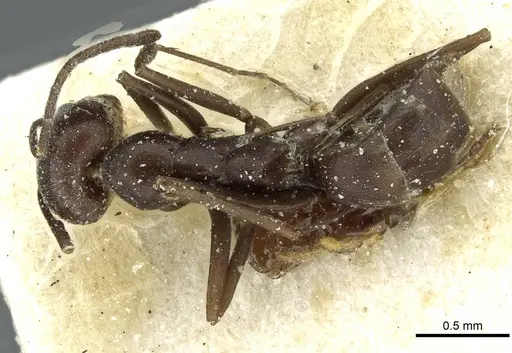
Literatura
Cargando mapa de distribución...Cargando productos...