
Dorylus brevis
- Nom. cient.
- Dorylus brevis
- Subfamilia
- Dorylinae
- Autor
- Santschi, 1919
- Distribución
- Encontrado en 0 países
Introducción
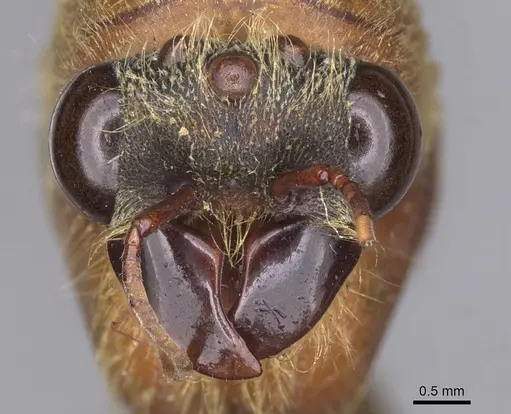
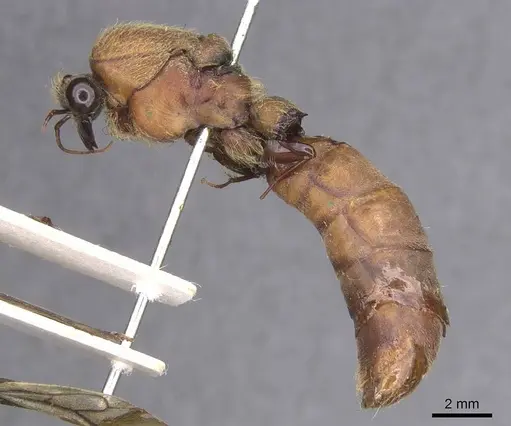
Dorylus brevis is a small army ant species endemic to the Democratic Republic of Congo, specifically recorded in the Mai-Ndombe region . Like all Dorylus species, these are predatory army ants known for their massive swarm raids that can overwhelm and consume large numbers of prey insects. Workers are polymorphic - some are noticeably larger than others. The genus Dorylus is famous for its nomadic lifestyle and temporary bivouac nests made from the bodies of thousands of worker ants clinging together.
Quick Summary
- Difficulty: Expert
- Origin & Habitat: Democratic Republic of Congo (Mai-Ndombe region). In the wild, Dorylus species typically inhabit tropical forest floors and savanna habitats where they conduct large-scale raids on ground-dwelling insects and other arthropods.
- Colony Type: Colony structure is unconfirmed for this specific species. Most Dorylus species are monogyne with massive colonies containing hundreds of thousands to millions of workers. Queens are permanently winged.
- Size & Growth:
- Queen: Estimated 25-40mm based on genus Dorylus patterns, queens are among the largest in the ant world [2]
- Worker: Up to 5mm (highly polymorphic, major workers are larger than minor workers) [2]
- Colony: Up to over 1,000,000 workers based on typical Dorylus colony sizes [2]
- Growth: Fast, army ant colonies grow rapidly once established [2]
- Development: Estimated 4-6 weeks at tropical temperatures (25-30°C) based on related Dorylus species [2] (Development is typically rapid in army ants to support their nomadic lifestyle and constant colony expansion)
- Antkeeping:
- Temperature: Keep at 24-28°C. Army ants are tropical and require consistent warmth. A heating cable on one side of the outworld can create a temperature gradient [2]
- Humidity: Moderate to high (60-80%). Maintain slight moisture in the outworld substrate to mimic damp forest floor conditions where they naturally hunt [2]
- Diapause: No, being tropical, they do not require hibernation. However, colony activity may slow slightly during cooler periods [2]
- Nesting: This is the critical challenge. Dorylus ants do not nest in traditional formicariums, they create bivouac nests from their own bodies. In captivity, this means providing a dark, enclosed space where workers can form a cluster. Many keepers use a modified setup with a dark container connected to a foraging area. Test tubes and standard formicariums are NOT suitable for this species [2]
- Behavior: Extremely aggressive and predatory. These are true army ants that conduct organized swarm raids on other ant colonies and insects. Workers are highly active and will readily attack any potential prey they encounter. They have a potent chemical defense, Dorylus workers can spray formic acid, which is irritating to predators and prey alike. Escape prevention is critical, they are excellent climbers and will exploit any gap. Their nomadic nature means they constantly relocate their bivouac within the enclosure. They are not suitable for observation-focused keeping, they are a hands-off species best appreciated from a distance.
- Common Issues: bivouac nesting makes captivity extremely difficult, standard formicariums are completely unsuitable, massive colony size means they require enormous amounts of prey (thousands of insects weekly when established), nomadic lifestyle causes constant relocation attempts within the enclosure, escape prevention is critical, they are small, fast, and will find any gap, their predatory nature means they will attack and consume other ant colonies, isolation from other ant setups is essential, chemical spray defense can irritate skin and eyes, handle with extreme caution if ever necessary, they do not establish permanent tunnel systems, providing appropriate bivouac space is challenging
Understanding Army Ant Biology
Dorylus brevis belongs to the army ant genus Dorylus, a group of ants famous for their predatory lifestyle and massive colonies. Unlike most ants that have permanent nests, army ants are nomadic, they move their entire colony every few weeks, forming a living bivouac nest made of thousands of workers clinging together. This bivouac can be suspended from tree branches, wrapped around logs, or simply clustered in a sheltered spot on the forest floor. The queen remains inside this living cluster, protected by layers of workers at all times. Army ant colonies are organized around a single reproductive queen that can live for many years and produce millions of offspring. The workers are polymorphic, some are large major workers (soldiers) with enlarged mandibles, while others are smaller minor workers that do most of the foraging. This division of labor is essential to their raiding success [2].
Housing Dorylus brevis - The Bivouac Challenge
Housing Dorylus ants represents one of the greatest challenges in antkeeping. They do NOT nest in tubes, plaster, acrylic, or any traditional formicarium setup. Instead, they need a dark, enclosed space where they can form their characteristic bivouac cluster. The most successful captive setups use a large plastic container (at least 30cm x 30cm) with a dark nest box area connected to a spacious foraging area. The nest box should be dark, humid, and provide anchor points (branches, sponges, or textured surfaces) for workers to cling to while forming the bivouac. The foraging area must be escape-proof with a barrier like fluon on the walls. Many keepers line the edges with petroleum jelly as an additional barrier. The key is providing enough space for the massive colony while maintaining proper humidity in the nest area. Lighting should be indirect, army ants prefer darkness and will become stressed under bright lights [2].
Feeding and Predatory Requirements
Dorylus brevis is an obligate predator, they do not collect honeydew or eat seeds. Their diet consists entirely of other insects and arthropods, which they capture during coordinated swarm raids. In captivity, you must be prepared to provide enormous quantities of live prey. An established colony may consume thousands of small insects (fruit flies, pinhead crickets, small mealworms) every single day. Some colonies will accept pre-killed prey, but live prey triggers their natural raiding behavior and is generally more successful. Prey should be small enough for workers to overcome, fruit flies, aphids, small caterpillars, and tiny beetles are ideal. The colony will form raiding columns that sweep through the foraging area, overwhelming any insects present. You should never mix other ant colonies in the same setup, Dorylus will raid and destroy them. Fresh water should always be available in a shallow dish that won't drown workers [2].
Colony Lifecycle and Growth
Army ant colonies grow at remarkable rates once established. The queen can lay thousands of eggs per day during peak reproduction. Brood develops rapidly, within 4-6 weeks at tropical temperatures, eggs become new workers that immediately join raiding parties. The colony cycles between stationary statary phases (when the queen is laying heavily and the bivouac remains in one place for 2-3 weeks) and nomadic phases (when the colony moves every few days in search of new hunting grounds). This cycle is driven by the need to find new prey sources as local populations are exhausted. In captivity, maintaining this cycle is challenging but essential for colony health. A healthy colony should show visible brood (larvae and pupae) at all times during the active season. The colony will naturally expand its raiding range as it grows, requiring increasingly large enclosures [2].
Safety and Handling Precautions
Dorylus workers possess a potent chemical defense, they can spray formic acid from their abdomens when threatened. This spray is irritating to skin and especially dangerous to eyes. While these ants are not aggressive toward humans unless directly provoked, you should never handle them with bare hands. If colony maintenance is necessary (rare), use tools and wear eye protection. The sheer number of workers in an established colony means that even a small disturbance can trigger a massive defensive response. Major workers have enlarged mandibles that can deliver a painful pinch. For these reasons, Dorylus brevis is absolutely not a species for beginners or for keepers who want an interactive ant colony. They are a display-only species to be appreciated from outside the enclosure [2].
Frequently Asked Questions
Can I keep Dorylus brevis in a test tube setup?
No. Dorylus ants cannot be kept in test tubes, formicariums, or any traditional ant nest. They require a bivouac setup with a dark enclosed space for the living cluster and a large foraging area. Standard nests are completely unsuitable for this species.
How long does it take for Dorylus brevis to produce first workers?
Estimated 4-6 weeks from egg to worker at optimal tropical temperatures (25-30°C). This is based on related Dorylus species as specific development data for D. brevis is not available.
How big do Dorylus brevis colonies get?
Up to over 1,000,000 workers based on typical Dorylus colony sizes. This makes them one of the largest ant species in captivity, requiring enormous enclosures and massive prey inputs.
Are Dorylus brevis good for beginners?
No. This is an expert-only species. They require specialized bivouac housing, massive amounts of live prey, excellent escape prevention, and cannot be handled or observed closely. They are completely unsuitable for beginners.
Can I keep multiple queens together in one Dorylus brevis colony?
Most Dorylus species are monogyne (single queen). While specific data for D. brevis is not available, combining multiple unrelated queens is not recommended and would likely result in fighting.
What do Dorylus brevis eat?
They are obligate predators that eat only other insects and arthropods. They do not eat sugar, honey, or seeds. An established colony requires thousands of small live insects daily.
Do Dorylus brevis need hibernation?
No. As tropical ants from the Congo, they do not require hibernation. However, colony activity may slow during cooler periods, and temperatures should be maintained at 24-28°C year-round.
Why is my Dorylus brevis colony constantly moving?
This is normal army ant behavior. Dorylus species are nomadic and regularly relocate their bivouac. In captivity, they will move their cluster between different areas of the enclosure as part of their natural cycle.
Report an Issue
The current care sheet is based fully on literature. See inconsistencies, or something that's incorrect? Please , it will be resolved after review from an admin. Contributing to the blogs tab also helps providing information, to make us be able to further improve the caresheets. Thank you for your support!
References

Esta ficha de cuidados está bajo licencia CC BY-SA 4.0 .
Blogs de la comunidad
RMCAENT000017712
Ver en AntWeb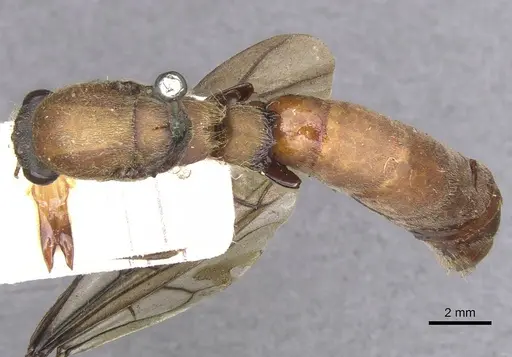
Literatura
Cargando mapa de distribución...Cargando productos...