
Dorylus alluaudi
- Nom. cient.
- Dorylus alluaudi
- Subfamilia
- Dorylinae
- Autor
- Santschi, 1914
- Distribución
- Encontrado en 0 países
Introducción
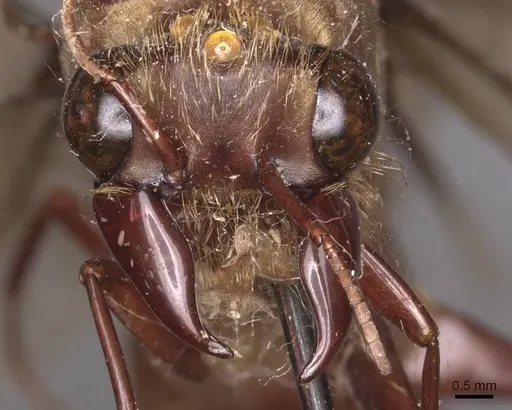
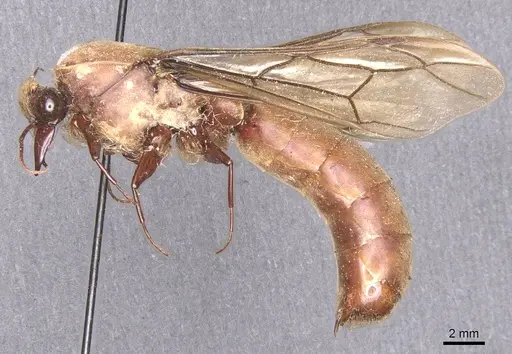
Dorylus alluaudi is a large army ant species native to Central Africa, specifically found in Uganda and the Democratic Republic of Congo. Males reach approximately 25mm in length with forewings measuring 19-20mm, making them substantial insects . The body is brownish yellow with reddish-brown mandibles and limbs . This species was described from male specimens collected on the eastern slopes of the Ruwenzori Mountains at 1600m elevation in February 1909 . As a member of the Dorylinae subfamily, these ants belong to the army ant group known for their nomadic lifestyle and predatory raids.
Quick Summary
- Difficulty: Expert
- Origin & Habitat: Central African highlands in Uganda and the DRC, found at elevations around 1600m in montane forest zones [1][2][3].
- Colony Type: Colony structure is unconfirmed for this specific species. Dorylus genus colonies typically contain single queens and can reach millions of workers.
- Size & Growth:
- Queen: Size data unavailable for this species, Dorylus queens are among the largest of all ants
- Worker: Size data unavailable for this species, Dorylus workers vary significantly depending on caste
- Colony: Colony size is unconfirmed for this species, Dorylus genus colonies can reach millions of workers
- Growth: Growth rate is unconfirmed for this species
- Development: Development timeline is unconfirmed for this species (No direct data available for this specific species)
- Antkeeping:
- Temperature: Temperature requirements are unconfirmed for this species, provide a gradient and monitor colony activity
- Humidity: Humidity requirements are unconfirmed for this species, keep substrate moderately moist
- Diapause: Diapause requirements are unconfirmed for this species, based on African highland origin, likely experiences seasonal variations in activity rather than true hibernation
- Nesting: Army ants do not build permanent nests. They form bivouacs in dark, humid spaces. Provide a naturalistic setup with multiple connected chambers. Test tubes are NOT suitable for established colonies.
- Behavior: Army ants are known for their nomadic lifestyle and predatory raids. Workers form columns to hunt prey including other ants, arthropods, and small invertebrates. They have a powerful sting and are aggressive when threatened. Escape prevention is critical, they will readily explore and colonize new areas. This species is not suitable for beginners due to its specialized requirements and potential colony size.
- Common Issues: massive colony size makes housing challenging, they need large enclosures with multiple connected chambers, nomadic nature means they will constantly try to relocate, provide dark retreat spaces and expect bivouac formation, predatory feeding requirements mean they need constant access to live prey, cannot survive on sugar alone, specialized escape prevention needed, workers can squeeze through small gaps and explore extensively, difficulty finding mates for breeding, winged sexuals are rarely produced and nuptial flight timing is unknown, this species has very limited data available, most care information is inferred from general Dorylus genus patterns
Understanding Dorylus Army Ants
Dorylus alluaudi belongs to the army ant tribe Dorylini, known for their distinctive nomadic lifestyle and predatory behavior. Unlike most ant species that maintain permanent nests, army ants form temporary bivouacs, living camps that they relocate periodically as food sources are depleted. This species is known primarily from male specimens collected in the early 1900s, making it one of the least-studied army ant species. The genus Dorylus contains approximately 70 species distributed across Africa and Asia, with Dorylus alluaudi being one of the more obscure members known from highland Uganda and the DRC [1][3].
Housing Requirements
Army ants cannot be kept in standard test tubes or small formicaria, they need space to form their characteristic raiding columns and bivouacs. A naturalistic setup with multiple interconnected chambers works best. The enclosure should include dark retreat areas where the colony can form a bivouac, along with open spaces for raiding behavior. Use a deep substrate layer to allow for moisture retention and burrowing. Provide a water reservoir connected to the substrate for humidity control. Given their escape-prone nature, use fluon barriers and ensure all connections are secure. The setup should allow for periodic relocation, army ants will naturally try to move their bivouac to new areas.
Feeding and Diet
Dorylus army ants are obligate predators that rely primarily on other arthropods for protein. They do not collect honeydew or tend aphids like many ant species. In captivity, they need regular access to live prey including other ants, mealworms, crickets, and other small invertebrates. The feeding strategy involves raiding columns where workers hunt cooperatively. A colony of this size will consume significant amounts of prey. Sugar sources are typically not accepted by army ants as they get their carbohydrates from the prey they consume.
Colony Dynamics and Growth
Army ant colonies are characterized by their enormous size, some Dorylus colonies can contain millions of workers. The colony cycles between stationary and nomadic phases. During stationary periods, the queen remains in the bivouac and produces eggs. During nomadic phases, the colony moves frequently, raiding to feed the developing brood. This species' specific colony dynamics are unstudied, but expect similar patterns to other Dorylus species. Growth rates can be rapid when food is abundant. Queens are permanently winged and significantly larger than workers, capable of producing thousands of eggs daily during peak laying periods.
Legal and Ethical Considerations
Dorylus alluaudi is native to Central Africa. If you keep this species outside its native range, never release colonies into the wild, they could become invasive or spread diseases to native ant populations. Army ants are aggressive predators and can significantly impact local ecosystems if introduced. Ensure secure containment at all times. Additionally, this species is rarely available in the antkeeping hobby due to its limited distribution and the difficulty of establishing colonies. If you obtain specimens, they are likely wild-caught, quarantine and monitor for parasites or diseases that could affect the colony.
Frequently Asked Questions
Can I keep Dorylus alluaudi in a test tube?
No, test tubes are completely unsuitable for this species. Army ants form massive colonies that need large enclosures with multiple connected chambers. A test tube would be instantly overrun and provides no space for their nomadic bivouac behavior.
What do Dorylus alluaudi eat?
They are predatory army ants that need live prey. Feed them other insects including feeder ants, mealworms, crickets, and small invertebrates. They do not typically accept sugar water or honey, all nutrition comes from protein prey.
How long until first workers?
Unknown for this specific species. Based on general army ant biology, development from egg to worker may take several weeks at optimal temperatures. However, this species has not been studied in captivity.
Are Dorylus alluaudi good for beginners?
No, this is an expert-level species. Army ants require large enclosures, constant access to live prey, and specialized care that differs significantly from typical ant keeping. They are not suitable for beginners.
Do Dorylus alluaudi ants sting?
Yes, army ants have potent stings and are aggressive when threatened. They will readily defend their colony and can deliver painful stings. Handle with extreme caution and use proper protective equipment when maintaining the enclosure.
How big do Dorylus alluaudi colonies get?
Unknown for this specific species, but Dorylus genus colonies can reach millions of workers. Expect very large colonies that require correspondingly large enclosures and significant prey input.
Do Dorylus alluaudi need hibernation?
Unknown, based on their African highland origin at 1600m elevation, they likely experience seasonal temperature variations but not true hibernation. Reduce feeding and activity during cooler periods rather than a formal diapause.
What is the best nest type for army ants?
Army ants do not use traditional nests. They form bivouacs, temporary living structures in dark, humid spaces. Provide a naturalistic setup with multiple interconnected chambers, deep moist substrate, and dark retreat areas where the colony can aggregate.
Why are my army ants trying to escape?
This is normal army ant behavior, they are nomadic by nature and will constantly explore and attempt to relocate. Provide a large, secure enclosure with multiple chambers and ensure all potential escape routes are blocked with fluon or other barriers.
Report an Issue
The current care sheet is based fully on literature. See inconsistencies, or something that's incorrect? Please , it will be resolved after review from an admin. Contributing to the blogs tab also helps providing information, to make us be able to further improve the caresheets. Thank you for your support!
References

Esta ficha de cuidados está bajo licencia CC BY-SA 4.0 .
Blogs de la comunidad
CASENT0911331
Ver en AntWeb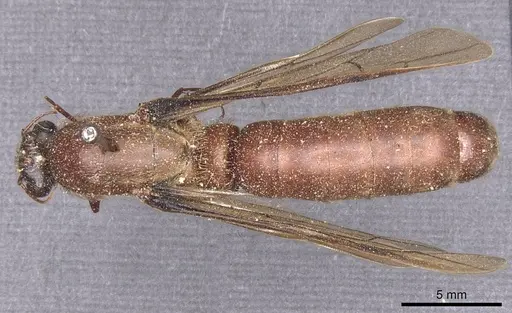
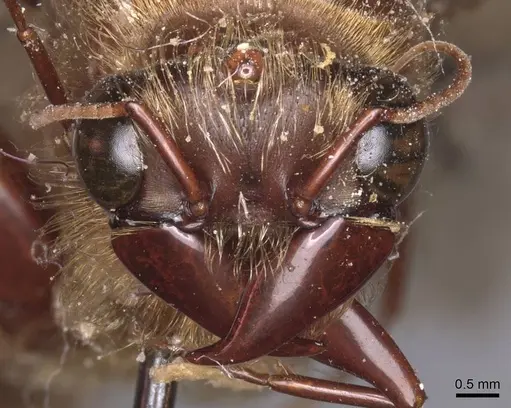
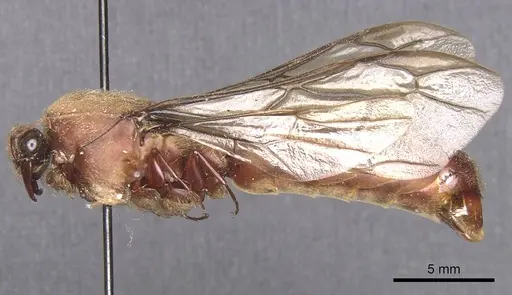
CASENT0911332
Ver en AntWeb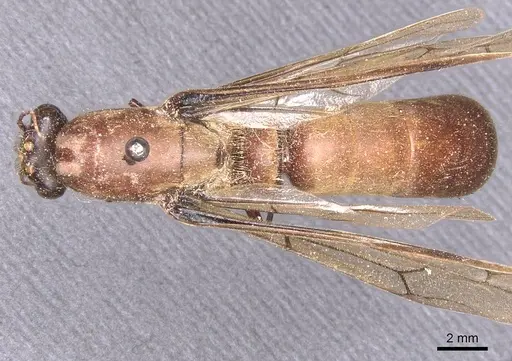
Literatura
Cargando mapa de distribución...Cargando productos...