
Dilobocondyla carinata
- Nom. cient.
- Dilobocondyla carinata
- Tribu
- Crematogastrini
- Subfamilia
- Myrmicinae
- Autor
- Zettel & Bruckner, 2013
- Distribución
- Encontrado en 0 países
Introducción
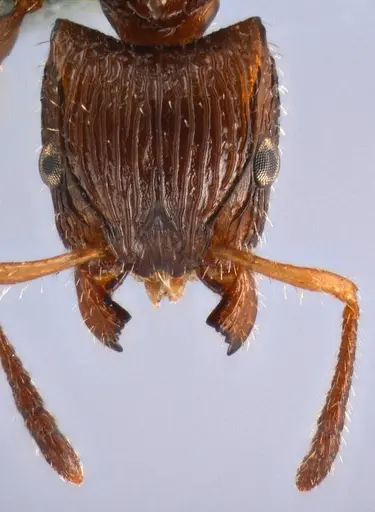
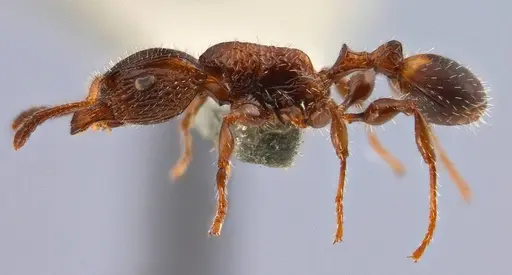
Dilobocondyla carinata is a small Myrmicinae ant species described in 2013 from Mindoro Island in the Philippines. Workers measure 4.2-4.35mm in total length and have a distinctive brown coloration with a striking yellow mark on the first gaster segment. They can be identified by their unique petiole shape - it has a transverse ridge or 'carina' running across the top, which immediately separates this species from all other Dilobocondyla species. The head has coarse striation with shiny spaces between, and the postpetiole shows regular striation on its upper surface. This species is known only from the type locality at around 50m elevation in Calapan City, Oriental Mindoro. Nothing is known about their biology in the wild - no queens have ever been described, and colony structure, founding behavior, and development remain completely unstudied.
Quick Summary
- Difficulty: Expert
- Origin & Habitat: Philippines, Mindoro Island, Oriental Mindoro, Calapan City at approximately 50m elevation [1]. The region has a tropical climate with year-round warmth and high humidity.
- Colony Type: Unknown, only worker caste has been described. No queens or colony structure data exists for any Dilobocondyla species.
- Size & Growth:
- Queen: Unknown, queens have never been described for this species
- Worker: 4.20-4.35mm [2][1]
- Colony: Unknown, no colony size data exists
- Growth: Unknown, no development or growth data exists
- Development: Unknown, no development data exists for this species. (Development timeline is entirely unstudied.)
- Antkeeping:
- Temperature: Based on Mindoro's tropical lowland climate, aim for warm conditions around 24-27°C. Avoid temperatures below 20°C or above 30°C.
- Humidity: Mindoro has a humid tropical climate. Keep nest substrate consistently moist but not waterlogged, damp like a forest floor. Provide a water source nearby.
- Diapause: Unknown, no seasonal data exists. Mindoro has minimal temperature variation year-round, so diapause may not be required.
- Nesting: No natural nesting data exists. Based on typical Myrmicinae preferences and the Philippine habitat, they likely prefer soil nests in shaded, damp locations. Test tubes or Y-tong nests with moist substrate would be appropriate starting points.
- Behavior: Completely unstudied. Based on genus placement in Crematogastrini, they are likely docile and not aggressive. Foraging behavior, activity patterns, and defense mechanisms are unknown. Their small size means escape prevention should be moderate.
- Common Issues: no biological data exists, keepers are essentially pioneering all aspects of care, queen and colony structure completely unknown, cannot determine if monogyne or polygyne, no development timeline available, founding behavior unconfirmed, risk of keeping a species with zero documented captive husbandry success
What We Know About Dilobocondyla carinata
Dilobocondyla carinata was described in 2013 by Zettel and Bruckner from specimens collected on Mindoro Island in the Philippines. This is a small ant species, with workers measuring 4.2-4.35mm in total length. The workers have a distinctive appearance: they are primarily brown with a conspicuous yellow mark on the first segment of their abdomen (gaster). The most diagnostic feature is the petiole, the narrow waist segment, which has a unique transverse ridge or carina across its top surface. This feature immediately separates D. carinata from all other Dilobocondyla species. The head shows coarse striation with shiny spaces between the grooves, and the postpetiole has regular striation on its upper surface. The species is named carinata from the Latin word for keeled, referring to this distinctive ridge. Currently, only the worker caste is known, no queens, males, or colony samples have ever been documented [2][1].
Distribution and Natural Habitat
Dilobocondyla carinata is known only from its type locality on Mindoro Island, Philippines. The specimens were collected in Calapan City, at a location called Parang, at approximately 50 meters above sea level. Mindoro is the seventh-largest island in the Philippines, located in the Mindoro Strait east of Palawan. The island has a tropical climate with temperatures averaging 25-28°C year-round and significant rainfall during the monsoon season from June to November. The lowland habitat around Calapan City consists of agricultural areas and secondary growth, though the exact microhabitat where these ants were found is not documented. No information exists about their nesting preferences, elevation range, or whether they are restricted to certain habitats within Mindoro [1].
Care Recommendations - Starting Points
Since absolutely no biological data exists for this species, all care recommendations are educated guesses based on what we know about their native habitat and related ants. Start with a standard Myrmicinae setup: a test tube setup for founding colonies or a Y-tong/plaster nest for established colonies. Temperature should be warm, aim for 24-27°C based on Mindoro's tropical climate. Humidity should be moderate to high, keeping the nest substrate damp but not flooded. A water tube should be provided. For feeding, offer standard ant foods: sugar water or honey for carbohydrates, and protein sources like fruit flies, small crickets, or mealworms. Start with modest portions and observe what the colony accepts. Document everything, you will be contributing original observations to antkeeping knowledge for a species that has never been kept in captivity.
Challenges and Expectations
This is an expert-level species for a reason: there is zero documented captive husbandry for any Dilobocondyla species. You should expect a steep learning curve and be prepared for losses. Key unknowns include: whether they accept standard ant foods, what their ideal nesting conditions are, whether they need diapause, how fast they grow, and what colony structure they form. Do not expect quick results, even basic milestones like obtaining the first workers from a wild-caught queen may take unexpected turns. The best approach is to keep multiple founding attempts if possible, document everything meticulously, and share your findings with the antkeeping community. Your observations could become the foundation for future keeper knowledge of this species.
Frequently Asked Questions
How long does it take for Dilobocondyla carinata to develop from egg to worker?
This is completely unknown, no development data exists for this species.
What do Dilobocondyla carinata ants eat?
Diet is unconfirmed. Based on typical Myrmicinae feeding habits, they likely accept sugar sources and protein. Start with standard ant foods and observe acceptance.
Can I keep multiple Dilobocondyla carinata queens together?
We do not know, colony structure is completely unstudied. No one has ever described a Dilobocondyla queen, so we have no data on whether they are single-queen or multi-queen species. Proceed with caution and assume single-queen colonies until proven otherwise.
Do Dilobocondyla carinata ants sting?
Unknown, no sting or pain data exists for this species. Based on their small size, any sting would likely be very mild if present.
What temperature should I keep Dilobocondyla carinata at?
Based on their Mindoro Island origin (tropical lowland), aim for warm conditions around 24-27°C. Avoid temperatures below 20°C or above 30°C.
Is Dilobocondyla carinata good for beginners?
No, this is an expert-level species. No biological data exists, no captive husbandry records exist, and all care is speculative. Only keep this species if you have experience with difficult ants and want to document pioneering observations.
Do Dilobocondyla carinata need hibernation or diapause?
Unknown, no seasonal data exists. Mindoro has minimal temperature variation year-round, so they may not require a diapause period.
How big do Dilobocondyla carinata colonies get?
Unknown, no colony size data exists for this or any Dilobocondyla species.
What nest type is best for Dilobocondyla carinata?
No natural nesting data exists. Start with standard setups: test tubes for founding colonies, Y-tong or plaster nests for established colonies. Keep substrate moist and provide humidity.
Where can I get Dilobocondyla carinata?
This species is only known from Mindoro Island, Philippines, and has never been documented in the antkeeping trade. You would need to locate field collectors in the Philippines willing to collect and export if legal. Ant species from the Philippines rarely enter the international trade.
Report an Issue
The current care sheet is based fully on literature. See inconsistencies, or something that's incorrect? Please , it will be resolved after review from an admin. Contributing to the blogs tab also helps providing information, to make us be able to further improve the caresheets. Thank you for your support!
References

Esta ficha de cuidados está bajo licencia CC BY-SA 4.0 .
Blogs de la comunidad
ANTWEB1008114
Ver en AntWeb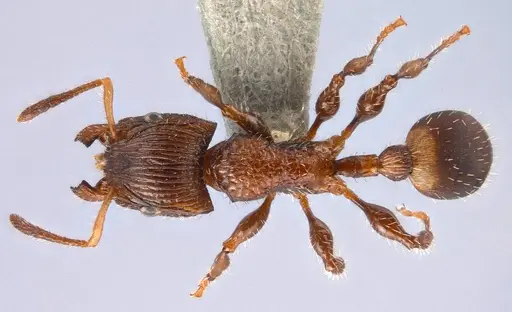
Literatura
Cargando mapa de distribución...Cargando productos...