
Crematogaster wilwerthi
- Nom. cient.
- Crematogaster wilwerthi
- Tribu
- Crematogastrini
- Subfamilia
- Myrmicinae
- Autor
- Santschi, 1910
- Distribución
- Encontrado en 0 países
Introducción
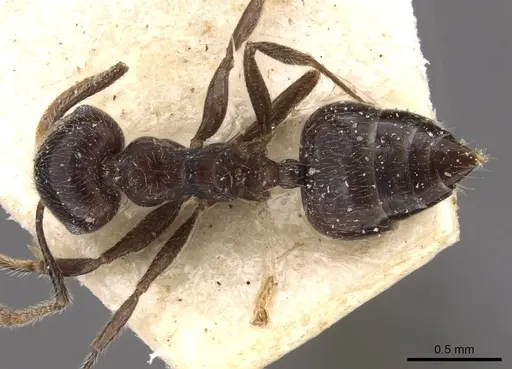
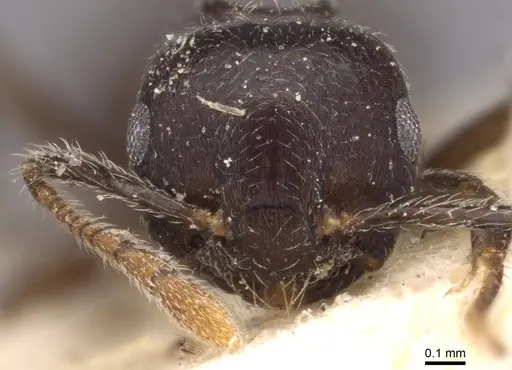
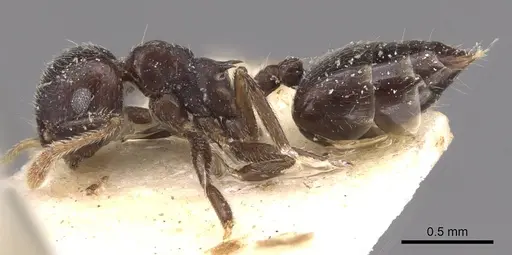
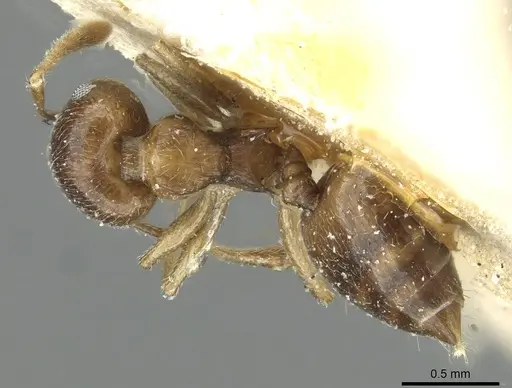
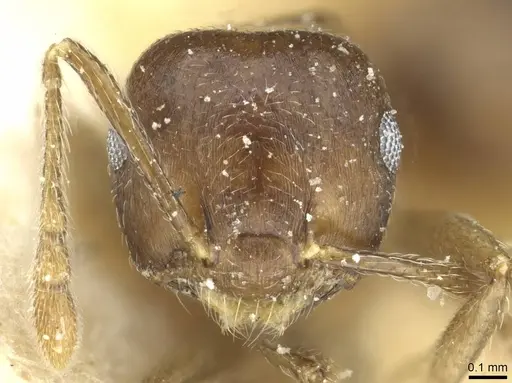
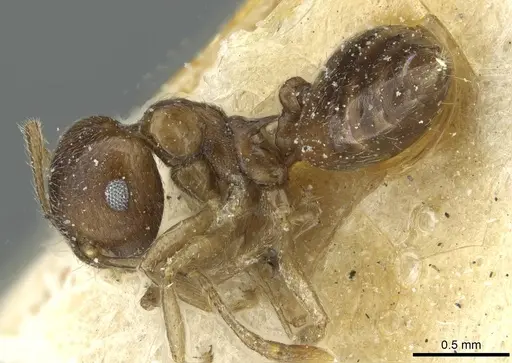
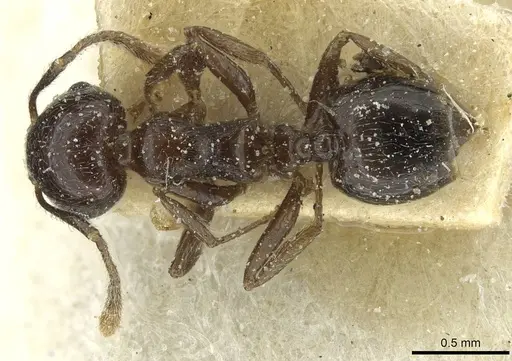
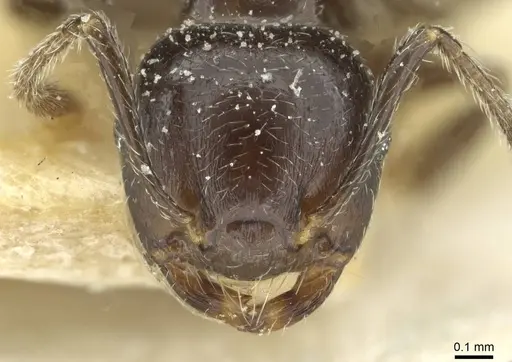
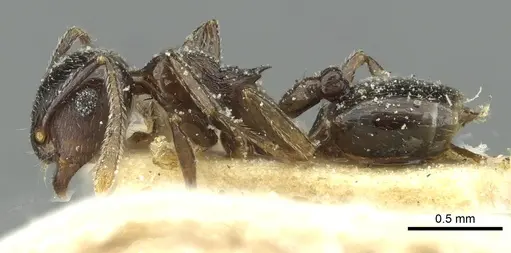
Crematogaster wilwerthi is a small to medium-sized ant species native to central Africa, documented in the Democratic Republic of Congo . Workers are typically 3-5mm with the characteristic heart-shaped abdomen that gives acrobat ants their name - when threatened, they raise their abdomen over their head like a scorpion. They have a dark reddish-brown to black coloration. This species is arboreal, nesting in hollow twigs, branches, and under bark in forest environments. As with other Myrmicinae ants, they possess a modified stinger used to smear venom rather than pierce.
Quick Summary
- Difficulty: Medium
- Origin & Habitat: Central Africa, documented in the Democratic Republic of Congo [1]. They live in forested habitats where they nest in dead wood, hollow branches, and under bark in trees.
- Colony Type: Colony structure is unconfirmed for this specific species. Based on typical Crematogaster patterns, likely single-queen colonies.
- Size & Growth:
- Queen: ~8-10mm, inferred from Crematogaster genus
- Worker: ~3-5mm, inferred from Crematogaster genus
- Colony: Estimated up to 3000 workers based on related species
- Growth: Moderate
- Development: Estimated 6-8 weeks at tropical temperatures based on genus data (Development time is typical for tropical Crematogaster species, faster in warm conditions, slower if cool)
- Antkeeping:
- Temperature: Keep at 24-28°C (warm tropical conditions). A slight gradient allows workers to regulate their temperature.
- Humidity: Moderate humidity around 60-75%. These arboreal ants prefer slightly drier conditions than ground-nesting species, ensure good ventilation to prevent mold.
- Diapause: No true diapause, being tropical, they do not require hibernation. However, slight temperature reductions in winter months may be beneficial.
- Nesting: Arboreal species prefer nests that mimic their natural hollow twig habitat. Y-tong (AAC) nests, acrylic nests with narrow chambers, or naturalistic setups with cork bark work well. They do best with tight, enclosed chambers rather than open spaces.
- Behavior: Generally peaceful but will defend their nest vigorously. They are active foragers and excellent climbers. Workers communicate through chemical signals and can emit a foul-smelling defensive secretion when threatened. As Myrmicinae, they use a smear defense mechanism, wiping venom onto enemies rather than stinging. Escape risk is moderate, they are good climbers but can be contained with standard barriers.
- Common Issues: colonies may fail if kept too cool, maintain warm temperatures consistently, arboreal nesting means they need tight chambers, too much open space causes stress, defensive secretions can stain surfaces and have a noticeable odor, wild-caught colonies may have parasites that need treatment, queens can be difficult to locate as they nest in hard-to-reach tree locations
Nest Preferences and Housing
Crematogaster wilwerthi is an arboreal species that naturally nests in hollow twigs, dead branches, and under bark in trees. In captivity, they do best in nests that mimic these conditions. Y-tong (AAC) nests work well because they provide the dark, enclosed chambers these ants prefer. Acrylic nests with narrow tunnels are also suitable. Avoid large, open formicarium spaces, these ants feel safer in tight, snug chambers. If using a naturalistic setup, provide cork bark or wooden structures that mimic their natural tree-nesting habitat. Ensure the nest has multiple chambers connected by small tunnels.
Temperature and Heating
Being a tropical African species, Crematogaster wilwerthi requires warm conditions to thrive. Keep the nest area at 24-28°C. Temperatures below 22°C can slow colony development significantly, and prolonged cold exposure can kill colonies. Use a heating cable or mat on one side of the nest to create a gentle temperature gradient, allowing workers to move between warmer and cooler areas. Place the heating element on top of the nest rather than underneath to avoid excessive drying. Room temperature may be sufficient if your home is consistently warm, but monitor with a thermometer.
Feeding and Diet
In the wild, Crematogaster species feed primarily on honeydew from aphids and scale insects, along with small insects and nectar. In captivity, offer a varied diet: sugar water or honey water should be available constantly. For protein, offer small insects like fruit flies, small crickets, and mealworms. They generally accept most small prey items. Feed protein sources 2-3 times per week, and replace sugar water every few days. Remove uneaten prey after 24 hours to prevent mold. These ants are not heavy feeders compared to some species, offer modest portions.
Behavior and Temperament
Crematogaster wilwerthi gets its nickname 'acrobat ant' from their distinctive defensive behavior, when threatened, workers raise their abdomen over their head, resembling an acrobat balancing. They can also emit a foul-smelling defensive secretion from their abdomen. This species is generally not aggressive toward humans but will vigorously defend their nest if disturbed. They are excellent climbers and can scale smooth surfaces, so use fluon or other barriers if needed. Workers are most active during evening and nighttime hours. They communicate using chemical trails to guide nestmates to food sources.
Colony Establishment
When establishing a colony from a wild-caught queen, you will likely need to locate a dealate (wingless) queen who has already founded her nest in a hollow twig or similar location. The founding queen will seal herself in a chamber and raise the first brood alone on her stored fat reserves. This claustral founding typically takes 4-8 weeks before the first workers (nanitics) emerge. Do not disturb the queen during this period. Once workers emerge, they will gradually expand the nest and begin foraging. Wild-caught colonies may carry parasites, quarantine and observe new colonies before introducing them to established setups.
Frequently Asked Questions
How long does it take for Crematogaster wilwerthi to produce first workers?
Expect first workers (nanitics) to emerge 6-8 weeks after the queen lays her first eggs, assuming optimal temperatures around 26°C. This timeline can be longer if temperatures are cool.
What temperature do Crematogaster wilwerthi ants need?
Keep them warm at 24-28°C. This tropical species does not tolerate cool temperatures well, aim for the warmer end of this range for best growth.
Can I keep Crematogaster wilwerthi in a test tube setup?
Test tubes can work for founding colonies, but these arboreal ants prefer the tight, enclosed chambers of Y-tong or acrylic nests. Move to a proper nest once the colony reaches 20-30 workers.
Do Crematogaster wilwerthi ants sting?
They do not have a stinger in the traditional sense, but they can bite and emit a foul-smelling defensive secretion. As Myrmicinae, they use a smear defense, wiping venom onto enemies rather than piercing. The bite is mild and rarely breaks skin.
How big do Crematogaster wilwerthi colonies get?
Based on related species, colonies likely reach up to 3000 workers at maturity. Growth is moderate, expect several years to reach maximum size.
What do Crematogaster wilwerthi ants eat?
They need constant access to sugar (honey water or sugar water) and regular protein in the form of small insects like fruit flies, small crickets, or mealworms.
Do Crematogaster wilwerthi need hibernation?
No, as a tropical species, they do not require hibernation. However, a slight temperature reduction in winter (a few degrees) may be natural and is generally safe.
Are Crematogaster wilwerthi good for beginners?
They are intermediate in difficulty. Their temperature requirements are stricter than some beginner species, but their arboreal nesting needs are straightforward once understood.
Why is my Crematogaster wilwerthi colony declining?
Check temperature first, they need warmth. Also ensure proper ventilation (they're prone to mold in stagnant, humid conditions) and avoid overfeeding which causes mold.
When should I move my colony to a formicarium?
Move once the colony reaches 20-30 workers and the test tube is becoming crowded. They prefer tight chambers, so choose a nest with appropriately sized tunnels.
Report an Issue
The current care sheet is based fully on literature. See inconsistencies, or something that's incorrect? Please , it will be resolved after review from an admin. Contributing to the blogs tab also helps providing information, to make us be able to further improve the caresheets. Thank you for your support!
References

Esta ficha de cuidados está bajo licencia CC BY-SA 4.0 .
Blogs de la comunidad
Literatura
Cargando mapa de distribución...Cargando productos...