
Chelaner nightcapensis
- Nom. cient.
- Chelaner nightcapensis
- Tribu
- Solenopsidini
- Subfamilia
- Myrmicinae
- Autor
- Heterick, 2001
- Distribución
- Encontrado en 0 países
Introducción
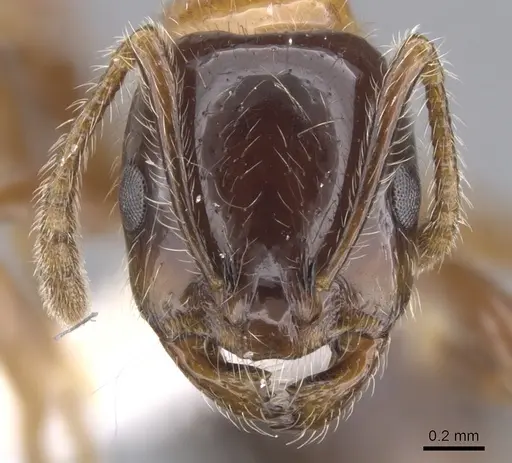
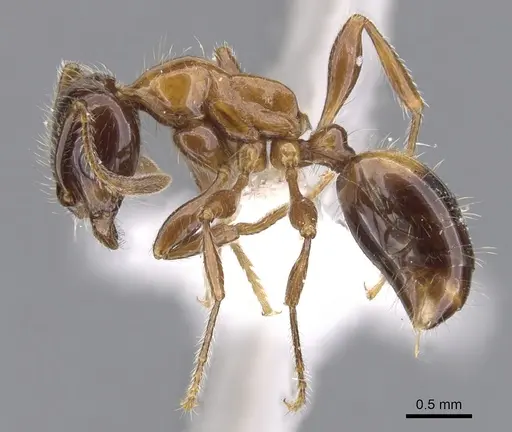
Chelaner nightcapensis is a small ant species native to the rainforests of New South Wales, Australia. Workers have a distinctive color pattern: brown head, amber-colored alitrunk and legs, a yellow patch on the front of the abdomen, and dark brown on the rest of the gaster [AntWiki]. The species is notable for its large eyes (over 1.5 times the width of the antennal scape) and smooth, glossy body surface. This ant belongs to the rubriceps species-complex and was originally described as Monomorium nightcapense before being transferred to the genus Chelaner in 2019 . The species was only known from a few collections in the Blue Knob/Mt Nightcap Range area at approximately 900m elevation.
Quick Summary
- Difficulty: Unknown, this is a rarely collected species with limited data available
- Origin & Habitat: Endemic to the Mt Nightcap Range in New South Wales, Australia. Type specimens were collected from rainforest at approximately 900m elevation [1]. The species nests in rotting wood [1].
- Colony Type: Single-queen colonies with documented ergatoid (wingless) replacement queens. The type series includes one ergatoid queen, suggesting the colony maintains replacement reproductives if the primary queen dies [1].
- Size & Growth:
- Queen: Size data unavailable, no confirmed measurements for queens
- Worker: Approximately 3mm, inferred from genus patterns [1]
- Colony: Unknown, only known from a few collections
- Growth: Unknown, no colony development data available
- Development: Unknown, no direct observations for this species (Development timeline is unconfirmed for this specific species)
- Antkeeping:
- Temperature: Aim for 22-26°C, warm rainforest conditions. A gentle temperature gradient allows ants to regulate their own exposure.
- Humidity: Keep moderately humid (60-80%). As a rainforest species, they prefer damp conditions but not waterlogged. Provide a water tube for drinking access.
- Diapause: Likely requires a mild winter rest period based on Australian temperate rainforest origin, this is an estimate, not directly studied
- Nesting: Natural nesting: in rotting wood. In captivity, a Y-tong (AAC) nest or plaster nest with wood inclusions works well. They prefer tight chambers scaled to their small size.
- Behavior: This is a poorly documented species. Based on related species in the rubriceps group, they are likely relatively peaceful and not aggressive. Workers are small but active foragers. Escape prevention should be moderate, their small size means standard barriers are usually sufficient. They likely forage for small insects and tend honeydew-producing insects.
- Common Issues: limited availability, this species is rarely available in the antkeeping hobby, no established care protocols, keepers must experiment with conditions, slow or absent colony growth in captivity due to unknown requirements, risk of colony failure from incorrect humidity or temperature, ergatoid queens may not establish well in captivity if stressed
Nest Preferences and Housing
In their natural habitat, C. nightcapensis nests in rotting wood within rainforest environments [1]. This aligns with many species in the Monomorium/Chelaner genus that prefer humid, enclosed nesting sites. For captive care, a Y-tong (AAC) nest or plaster nest with wood inclusions works well. The chambers should be appropriately scaled to their small worker size. Keep the nest substrate consistently moist but not waterlogged, these rainforest ants need humidity but standing water can drown colonies. A test tube setup can work for founding colonies, but transfer to a more structured nest once the colony reaches 20+ workers.
Feeding and Diet
The specific diet of C. nightcapensis has not been documented, but species in the rubriceps group are generalist omnivores typical of the Solenopsidini tribe. In captivity, offer a varied diet including protein sources (small live prey like fruit flies, pinhead crickets, or mealworms), sugar sources (honey water, sugar water, or commercial ant nectar), and occasional seeds if accepted. Feed small amounts every 2-3 days and remove uneaten food to prevent mold. Since they are small ants, prey items should be appropriately sized. Always ensure fresh water is available.
Temperature and Seasonal Care
As a species from the temperate rainforests of New South Wales, C. nightcapensis likely experiences seasonal temperature variation in the wild. Aim for a temperature range of 22-26°C during the active season, with a warm area in the nest for brood development. During Australian winter (roughly June-August in the southern hemisphere), they would experience cooler temperatures. For captive colonies, consider providing a mild hibernation period at cooler temperatures during the winter months. This is an estimate based on the species' origin, monitor your colony's activity levels and adjust accordingly. A heating cable on one side of the nest can help maintain warmth if your room temperature is below their needs.
Colony Structure and Reproduction
C. nightcapensis has been documented with ergatoid queens, these are wingless replacement queens that can take over reproduction if the primary queen dies [1]. This suggests the species maintains backup reproductive options within established colonies. The colony structure appears to be single-queen (monogyne) with ergatoid replacement reproductives available if needed. This is different from polygynous species that have multiple egg-laying queens simultaneously. If your colony loses its queen, you may observe an ergatoid queen assuming reproductive duties, though this process can be stressful for colonies in captivity.
Handling and Temperament
This species is not well-documented in terms of temperament, but based on related species in the rubriceps group, they are likely relatively docile and not prone to aggressive swarming. Workers are small and likely not particularly aggressive. They probably rely on their small size and cryptic behavior rather than direct confrontation. Standard escape prevention measures should be sufficient, use fine mesh on any openings since they are small ants. Handle colonies gently during transfers as sudden environmental changes can stress them.
Frequently Asked Questions
How long does it take for Chelaner nightcapensis to produce first workers?
The exact timeline is unknown for this species. Development time is unconfirmed, no direct observations exist for this specific species. Be patient and monitor your colony for signs of progress.
What do Chelaner nightcapensis ants eat?
They are generalist omnivores. Offer small live insects (fruit flies, pinhead crickets), sugar water or honey water, and occasionally seeds. Remove uneaten food after 24-48 hours to prevent mold.
Can I keep multiple Chelaner nightcapensis queens together?
This species appears to be single-queen (monogyne) with ergatoid replacement reproductives. Combining unrelated queens is not recommended and has not been documented for this species.
What temperature do Chelaner nightcapensis ants need?
Keep them at 22-26°C during the active season. A mild winter rest at cooler temperatures is recommended based on their Australian temperate rainforest origin.
Are Chelaner nightcapensis good for beginners?
This species is not recommended for beginners. It is rarely available in the antkeeping hobby, has no established care protocols, and requires specific conditions that are not well-documented. Start with more common species like Lasius niger or Messor barbarus before attempting this species.
How big do Chelaner nightcapensis colonies get?
The maximum colony size is unknown. Based on limited collection data, colonies appear to remain relatively small in the wild. Captive colonies may grow larger with optimal care.
What type of nest is best for Chelaner nightcapensis?
A Y-tong (AAC) nest or plaster nest with wood inclusions works well. They naturally nest in rotting wood in rainforest environments. Keep the nest humid but not waterlogged.
Do Chelaner nightcapensis need hibernation?
Based on their origin in temperate New South Wales, a mild winter rest period at cooler temperatures is recommended during the winter months. This is an estimate rather than a documented requirement.
Where is Chelaner nightcapensis found in the wild?
This species is endemic to the Mt Nightcap Range in New South Wales, Australia, collected from rainforest at approximately 900m elevation. It is known from only a few collections.
Report an Issue
The current care sheet is based fully on literature. See inconsistencies, or something that's incorrect? Please , it will be resolved after review from an admin. Contributing to the blogs tab also helps providing information, to make us be able to further improve the caresheets. Thank you for your support!
References

Esta ficha de cuidados está bajo licencia CC BY-SA 4.0 .
Blogs de la comunidad
CASENT0902317
Ver en AntWeb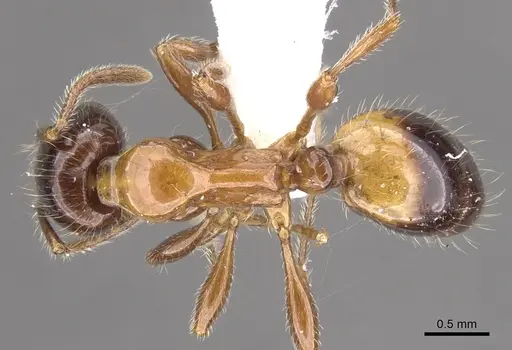
Literatura
Cargando mapa de distribución...Cargando productos...