
Cataulacus inermis
- Nom. cient.
- Cataulacus inermis
- Tribu
- Crematogastrini
- Subfamilia
- Myrmicinae
- Autor
- Santschi, 1924
- Distribución
- Encontrado en 0 países
Introducción
Cataulacus inermis is a small arboreal ant species endemic to the Democratic Republic of Congo, specifically recorded from the Kasai region . The genus Cataulacus is known for their unusual defensive behavior - they can tuck their gaster beneath their thorax, resembling a turtle, which is how they earned the nickname 'turtle ants'. Workers are relatively small and compact. The species name 'inermis' means 'unarmed' in Latin, suggesting this particular species lacks the prominent spines or defensive structures seen in some related species. These ants are arboreal by nature, living and forages in trees and woody vegetation rather than on the ground.
Quick Summary
- Difficulty: Medium to Hard
- Origin & Habitat: Democratic Republic of Congo, Kasai region. As an arboreal species from central African tropical forest, they likely inhabit tree hollows, hollow twigs, and woody debris in the forest canopy [1].
- Colony Type: Colony structure is unconfirmed. Based on typical Cataulacus patterns, likely single-queen (monogyne) colonies.
- Size & Growth:
- Queen: Size data unavailable, inferred from Cataulacus genus patterns to be approximately 6-8mm
- Worker: Size data unavailable, inferred from Cataulacus genus patterns to be approximately 3-5mm
- Colony: Likely small to moderate, up to approximately 500 workers based on related species
- Growth: Moderate, estimated based on typical arboreal ant development
- Development: Estimated 8-10 weeks at tropical temperatures (25-28°C), based on genus-level patterns for Cataulacus (Development timeline is estimated from genus patterns, not directly studied for this species)
- Antkeeping:
- Temperature: Keep at 24-28°C. These are tropical arboreal ants requiring warm, stable conditions. A heating cable on one side of the nest creates a gradient.
- Humidity: Moderate to high humidity (60-80%). Arboreal ants prefer humid conditions but need good ventilation to prevent mold. Keep nest substrate slightly moist but allow some drying areas.
- Diapause: No true diapause required given their tropical origin. They may show reduced activity during cooler periods but do not require hibernation.
- Nesting: Arboreal nesters. In captivity, they do well in Y-tong (AAC) nests, plaster nests, or naturalistic setups with hollow twigs/branches. They prefer tight-fitting chambers scaled to their size. Avoid large open spaces.
- Behavior: Generally calm temperament but can be defensive when threatened. Their primary defense is the ability to tuck their gaster under their body, protecting vital areas. As members of the Myrmicinae subfamily, they have a modified stinger capable of smearing venom onto enemies rather than piercing flesh. They are arboreal foragers, likely foraging in trees and woody vegetation. Escape risk is moderate, they are small but not extremely tiny. Use standard barrier methods. They are not known for aggressive swarming.
- Common Issues: limited availability and documentation makes this species challenging to source and keep, arboreal nature requires specific nesting setups that differ from ground-nesting ants, tropical temperature requirements mean stable heating is essential, escape prevention is important, small size allows them to slip through gaps, very limited species-specific care information exists, much is inferred from genus patterns
Nest Preferences and Housing
Cataulacus inermis is an arboreal species, meaning they naturally nest in tree hollows, rotting twigs, and woody debris in the canopy [2]. In captivity, they do best in nests that mimic these conditions. Y-tong (AAC) nests work well because they provide dark, enclosed chambers. Plaster nests are also suitable, just ensure the chambers are appropriately sized for their small worker size. Naturalistic setups with actual twigs or small branches can work but are harder to maintain. Avoid large, open formicaria designed for ground-nesting species, these ants feel exposed in spacious environments and may not thrive. The nest should have tight-fitting connections to the outworld and excellent escape prevention, as small ants can slip through surprisingly small gaps.
Feeding and Diet
Based on typical Cataulacus feeding patterns, these ants are likely omnivorous, feeding on honeydew, nectar, and small insects [2]. In captivity, offer sugar water or honey as a constant energy source. For protein, provide small live prey such as fruit flies, pinhead crickets, or small mealworms. Since they are arboreal, they may prefer prey that can be found in vegetation rather than ground-dwelling insects. Feed protein 2-3 times per week, and keep sugar water available at all times. Remove uneaten prey after 24-48 hours to prevent mold issues. Start with small portions and observe what they readily accept.
Temperature and Care
As a tropical species from the Democratic Republic of Congo, Cataulacus inermis requires warm conditions [1]. Maintain temperatures between 24-28°C (75-82°F). Temperature stability is important, avoid drafts and sudden fluctuations. A small heating cable placed on one side of the nest can create a gentle gradient, allowing ants to self-regulate their temperature preference. Place the heating on top of the nest rather than underneath to avoid excessive drying. Room temperature may be sufficient if your home stays in this range, but monitor with a thermometer. These ants do not require hibernation due to their tropical origin.
Behavior and Temperament
Cataulacus ants have a distinctive defensive behavior, they can tuck their gaster beneath their thorax, protecting their abdomen from attacks. This 'turtle' posture gives them their common name. They are generally not aggressive but will defend their nest if threatened. Workers are moderately active and will forage in the outworld for food. They are arboreal by nature, so they may spend more time exploring upward-facing surfaces and may be less likely to explore horizontal surfaces extensively. Their small size means escape prevention should be taken seriously, even small gaps can allow escape. [2]
Frequently Asked Questions
Can I keep Cataulacus inermis in a test tube?
Test tubes can work for founding colonies, but arboreal ants often prefer more enclosed spaces. Once the colony grows, consider moving to a Y-tong or plaster nest with appropriately sized chambers.
How long does it take for Cataulacus inermis to produce first workers?
Based on genus patterns, expect first workers around 8-10 weeks after the queen lays eggs, assuming temperatures around 25-28°C. This is an estimate since this species has not been directly studied.
What do Cataulacus inermis eat?
They are omnivorous. Offer sugar water or honey constantly, and supplement with small live prey like fruit flies, small crickets, or mealworms 2-3 times per week.
Do Cataulacus inermis ants sting?
Cataulacus ants have a stinger but are not considered dangerous to humans. Their primary defense is their ability to tuck their gaster under their body. They are not aggressive and rarely sting unless directly threatened.
Are Cataulacus inermis good for beginners?
This species is not ideal for beginners due to limited availability and care documentation. The arboreal nature requires different housing than common ground-nesting ants. Experienced antkeepers interested in unusual species may find them rewarding.
Do Cataulacus inermis need hibernation?
No. As a tropical species from central Africa, they do not require a true diapause period. Keep them at warm temperatures year-round.
How big do Cataulacus inermis colonies get?
Based on related species, colonies likely reach up to approximately 500 workers. They are not considered large colonies compared to some ground-nesting species.
When should I move Cataulacus inermis to a formicarium?
Move them when the test tube or founding setup becomes crowded, typically when you see 20-30+ workers. Ensure the new nest has appropriately sized chambers, arboreal ants often prefer tighter spaces than ground-nesting species.
Can I keep multiple queens together?
Colony structure is unconfirmed for this species. Based on typical Cataulacus patterns, they likely form single-queen colonies. Combining unrelated queens is not recommended without documented evidence of success.
Why are my Cataulacus inermis dying?
Common causes include: temperatures too low (below 24°C), excessive humidity causing mold, inadequate nesting space, or stress from too much handling. Review each parameter and make gradual adjustments. Limited species-specific data means troubleshooting requires patience.
Report an Issue
The current care sheet is based fully on literature. See inconsistencies, or something that's incorrect? Please , it will be resolved after review from an admin. Contributing to the blogs tab also helps providing information, to make us be able to further improve the caresheets. Thank you for your support!
References

Esta ficha de cuidados está bajo licencia CC BY-SA 4.0 .
Blogs de la comunidad
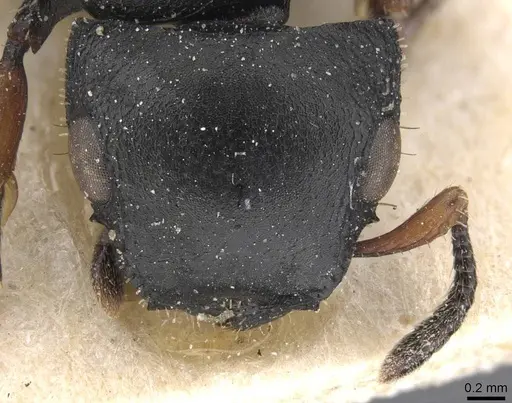
CASENT0280805
Ver en AntWeb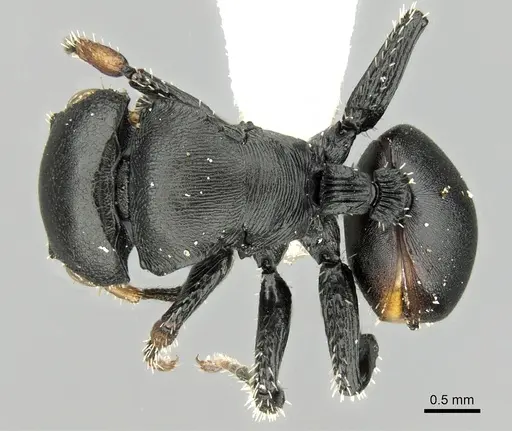
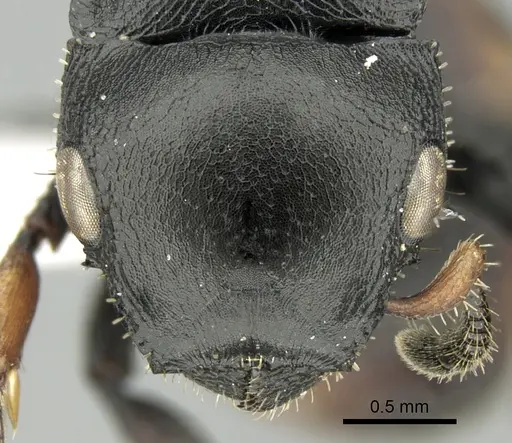
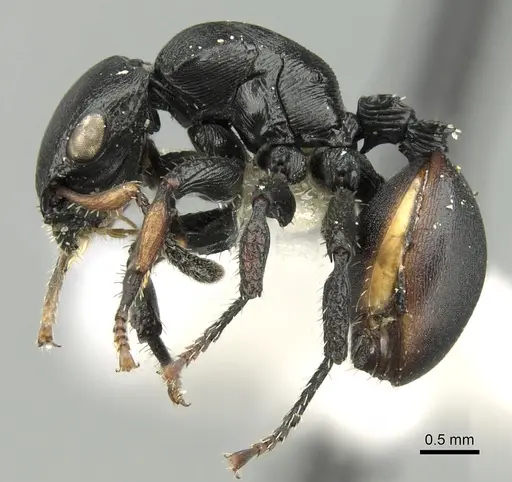
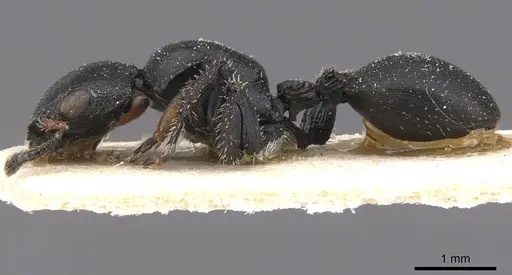
RMCAENT000017795
Ver en AntWeb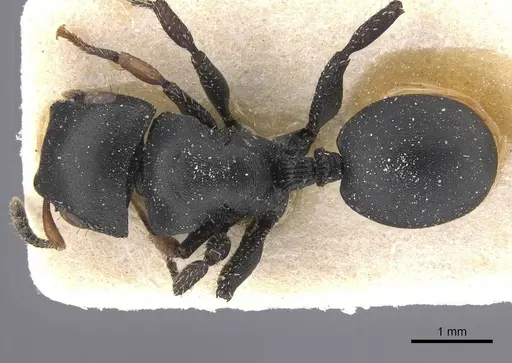
Literatura
Cargando mapa de distribución...Cargando productos...