
Cataglyphis alibabae
- Nom. cient.
- Cataglyphis alibabae
- Tribu
- Formicini
- Subfamilia
- Formicinae
- Autor
- Pisarski, 1965
- Distribución
- Encontrado en 0 países
Introducción
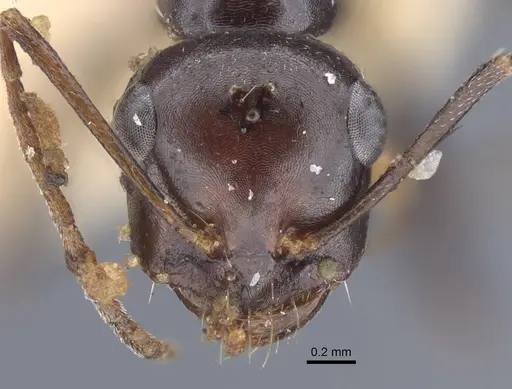
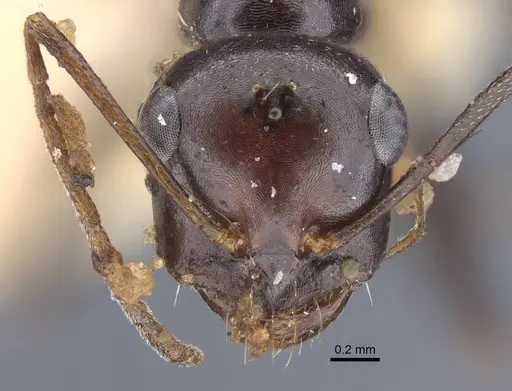
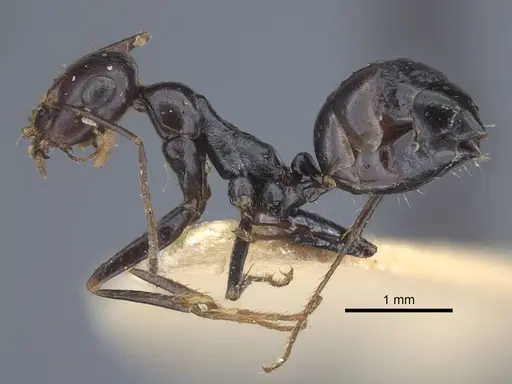
Cataglyphis alibabae is a medium-sized ant species from the genus Cataglyphis, first described from Iraq in 1965. Workers are described in the original type material, though exact measurements are not provided in available literature. This species has been recorded in Iraq and more recently in Iran, where it was found nesting under a stone in a low rainfall forest area near Shiraz . The genus Cataglyphis is known for fast-moving, often pale-colored ants adapted to arid environments.
Quick Summary
- Difficulty: Medium
- Origin & Habitat: Native to the Palaearctic region, specifically found in Iraq and Iran. In Iran, they have been recorded in low rainfall forest habitats, nesting under stones [1]. This suggests they prefer drier conditions with some ground cover for nesting.
- Colony Type: Unconfirmed, colony structure (single-queen or multi-queen) has not been documented for this specific species.
- Size & Growth:
- Queen: Size data unavailable, no documented measurements exist for this species.
- Worker: Size data unavailable, no documented measurements exist for this species.
- Colony: Unknown, no colony size data exists for this species.
- Growth: Unknown, development timeline has not been studied.
- Development: Unknown, no direct measurements exist for this species. (Development time is unconfirmed. Monitor your colony for signs of normal development.)
- Antkeeping:
- Temperature: Based on habitat data from Iran, keep nest area at 22-28°C. They can tolerate higher temperatures than many ants. Provide a temperature gradient so ants can choose their preferred zone.
- Humidity: Low to moderate. Found in low rainfall forest in Iran, suggesting they prefer drier conditions. Keep nest substrate moderately dry with some moisture available. Avoid overly damp conditions.
- Diapause: Likely yes, as a species from temperate Iran/Iraq, they probably require a winter rest period. Based on typical Cataglyphis behavior, provide 2-3 months of reduced temperatures (around 10-15°C) during winter.
- Nesting: In nature, they nest under stones in low rainfall forest areas. For captivity, a naturalistic setup with a digging area and stones on top works well, or a Y-tong/plaster nest with dry to moderately humid conditions. Provide a foraging area with access to heat.
- Behavior: Cataglyphis ants are known for their fast, erratic movement and efficient foraging. They are typically diurnal and can tolerate higher temperatures than many ant species. Workers are active foragers that search for food individually. They lack a functional sting, as Formicinae, they spray formic acid as defense. They may bite if threatened or handled roughly. Escape prevention should be standard, while not tiny, they are active and may attempt escapes.
- Common Issues: limited data means care requirements are partly estimated from genus patterns, monitor colony response and adjust, no documented colony size or development timeline makes tracking progress difficult, hibernation requirements are inferred but not confirmed for this species, wild-caught colonies may have parasites or diseases not yet documented, temperature and humidity preferences are estimated, not directly studied
Origin and Distribution
Cataglyphis alibabae was originally described from Iraq in 1965 by Pisarski, with type specimens collected from Khanaqin and the Al Fatha to Djebel Hamrin region [1]. The species remained known only from Iraq for decades until 2018, when researchers documented the first records from Iran. The Iranian finding was in the Torabi 08 area near Baba Kouhi in Shiraz, where the ants were found nesting under a stone in a low rainfall forest [1]. This extends the known range eastward and confirms the species occupies semi-arid to forest habitats in the region. The Palaearctic distribution covers Iraq and Iran, though it may occur in neighboring countries with similar habitats.
Nest Preferences and Housing
In the wild, Cataglyphis alibabae has been found nesting under stones in low rainfall forest areas of Iran [1]. This suggests they prefer sheltered nesting sites with some protection from the elements. For captive care, a naturalistic setup works well, provide a digging container with fine sand or soil, and place flat stones or other cover on the surface to simulate natural nesting conditions. A Y-tong or plaster nest with dry to moderately humid conditions also works. The key is providing a dark, sheltered chamber where the queen can seal herself during founding. Include a spacious outworld for foraging, as Cataglyphis ants are active foragers that need room to search for food.
Temperature and Heating
Based on the species' origin in Iran and Iraq, they are adapted to warm conditions but not extreme desert heat. Keep the nest area at 22-28°C, with a gentle gradient allowing workers to self-regulate. Related Cataglyphis species are known for foraging in hot conditions, but for colony health and development, moderate temperatures are better. A small heating cable on one side of the nest can create the needed gradient. During winter, provide a diapause period of 2-3 months at reduced temperatures around 10-15°C. This winter rest is important for colony health in temperate species. Monitor colony activity, if workers become sluggish even with food present, the temperature may be too low.
Feeding and Diet
Cataglyphis ants are typically omnivorous, foraging for seeds, dead insects, and honeydew in the wild. For captive colonies, offer a varied diet: sugar water or honey as a constant energy source, and protein-rich foods like mealworms, crickets, or other insects 2-3 times per week. They are likely active hunters that will readily take small live or dead prey. Remove uneaten food after 24-48 hours to prevent mold.
Colony Development and Growth
The exact development timeline for Cataglyphis alibabae has not been documented in scientific literature. Since this is a poorly studied species, track your colony's progress carefully and note any deviations from typical patterns. The lack of specific data makes this species more suitable for keepers with some experience who can adapt care based on observation.
Behavior and Temperament
Cataglyphis ants are known for their distinctive fast, jerky movement and efficient foraging behavior. Workers are diurnal and heat-tolerant, often being most active during warmer parts of the day. They are typically not overly aggressive but will defend the nest if threatened. They are solitary foragers that search for food independently rather than using recruitment trails. They lack a functional sting, as part of the Formicinae subfamily, they defend by spraying formic acid. They may bite if handled roughly. Escape prevention should be standard, while not among the smallest ants, they are active and may exploit any gaps in their enclosure.
Frequently Asked Questions
How long does it take for Cataglyphis alibabae to produce first workers?
The exact timeline is not documented for this species. Development data does not exist for C. alibabae, so monitor your colony and adjust conditions as needed.
What do Cataglyphis alibabae ants eat?
Based on typical Cataglyphis diet, offer sugar water or honey as a constant energy source, plus protein-rich foods like mealworms, crickets, or other insects 2-3 times per week. They are likely omnivorous foragers that will accept both sweet liquids and protein sources.
Do Cataglyphis alibabae ants need hibernation?
Likely yes, as a species from temperate Iran/Iraq, they probably require a winter rest period. Based on related species, provide 2-3 months at reduced temperatures around 10-15°C during winter months.
What temperature should I keep Cataglyphis alibabae at?
Keep the nest area at 22-28°C with a temperature gradient. This species comes from warm-temperate regions of Iran and Iraq, so moderate warmth is ideal.
Is Cataglyphis alibabae a good species for beginners?
This species is rated as Medium difficulty. While not the most challenging ant to keep, the limited species-specific data means some care aspects must be inferred from genus patterns. Some experience with ant keeping is helpful for adapting care based on observation.
How big do Cataglyphis alibabae colonies get?
Colony size is not documented for this specific species. No specific colony size data exists.
Can I keep multiple Cataglyphis alibabae queens together?
Colony structure (monogyne vs polygyne) has not been documented for this species. Combining unrelated queens is not recommended without species-specific research.
What humidity level do Cataglyphis alibabae ants need?
Low to moderate humidity. Found in low rainfall forest in Iran, they prefer drier conditions than tropical species. Keep nest substrate moderately dry with some moisture available. Avoid overly damp conditions.
When should I move Cataglyphis alibabae to a formicarium?
Keep newly caught or purchased colonies in a test tube or simple setup until the colony reaches 20-30 workers. Once established with active foraging, they can be moved to a naturalistic setup or formicarium with appropriate nesting and foraging areas.
Why is there so little information about Cataglyphis alibabae?
This is a poorly studied species with limited scientific documentation. It was originally described from Iraq in 1965 and only recently confirmed in Iran in 2018. Many ant species have limited research, especially those from less-studied regions.
Report an Issue
The current care sheet is based fully on literature. See inconsistencies, or something that's incorrect? Please , it will be resolved after review from an admin. Contributing to the blogs tab also helps providing information, to make us be able to further improve the caresheets. Thank you for your support!
References

Esta ficha de cuidados está bajo licencia CC BY-SA 4.0 .
Blogs de la comunidad
CASENT0917238
Ver en AntWeb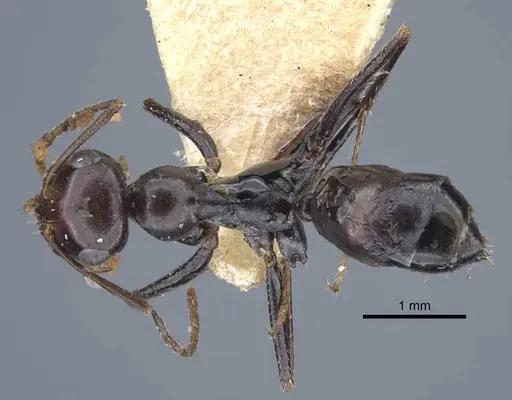
Literatura
Cargando mapa de distribución...Cargando productos...