
Carebara sodalis
- Nom. cient.
- Carebara sodalis
- Tribu
- Crematogastrini
- Subfamilia
- Myrmicinae
- Autor
- Emery, 1914
- Distribución
- Encontrado en 0 países
Introducción
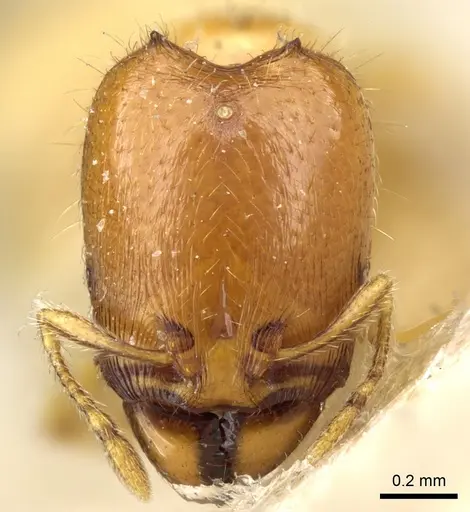
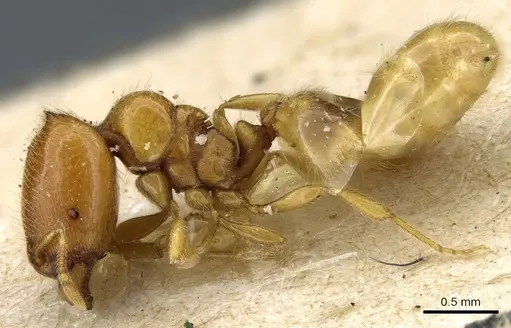
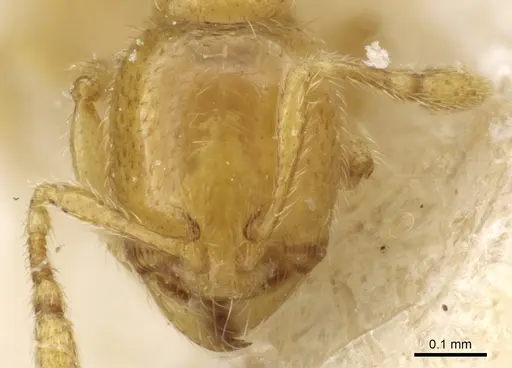
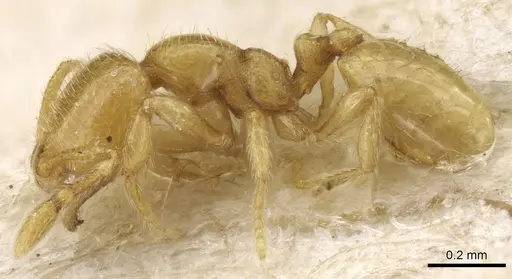
Carebara sodalis is a small myrmicine ant species endemic to New Caledonia in the Australasian region. This species displays polymorphism with distinct major and minor worker castes. The major workers are characterized by a notably inflated middle section of the mesosomal dorsum, which distinguishes them from the similar Carebara cornigera . Originally described by Emery in 1914 as a subspecies of C. cornigera, it was elevated to full species status by Taylor in 1991. Type material includes major workers, minor workers, queens, and males. This species has been documented persisting in native forest habitats even amid invasive ant invasions .
Quick Summary
- Difficulty: Unknown, Insufficient data for reliable assessment
- Origin & Habitat: New Caledonia, a tropical Pacific island in the Australasian region [1]. Natural habitat preferences are not well-documented.
- Colony Type: Colony structure is unconfirmed. The presence of major and minor worker castes suggests a polymorphic colony system.
- Size & Growth:
- Queen: Size data unavailable
- Worker: Major workers are notably larger than minor workers, exact measurements not documented [1].
- Colony: Unconfirmed, no colony size data available
- Growth: Unknown
- Development: Unknown, no development data available for this species. (Development timeline is unconfirmed.)
- Antkeeping:
- Temperature: Based on New Caledonia's tropical climate, aim for warm conditions around 24-28°C. Provide a gentle gradient allowing ants to self-regulate.
- Humidity: New Caledonia features humid tropical conditions. Maintain moderate to high humidity in the nest area, with damp but not waterlogged substrate.
- Diapause: Unlikely, being a tropical species from New Caledonia, diapause is probably not required.
- Nesting: Natural nesting preferences are unconfirmed. Based on typical Carebara behavior, they likely nest in soil, under stones, or in rotting wood. A test tube setup or Y-tong nest with moist substrate would be a reasonable starting point.
- Behavior: Behavior is not specifically documented. The genus Carebara typically contains secretive ants with major workers serving as defenders. Escape prevention should be adequate given their small size. This species uses a smear defense mechanism typical of Myrmicinae in the Crematogastrini tribe.
- Common Issues: lack of documented care information makes reliable husbandry challenging, specific temperature and humidity requirements are unconfirmed, dietary preferences have not been studied, colony founding behavior is unconfirmed, wild-caught colonies may face adaptation challenges
Species Background and Distribution
Carebara sodalis is endemic to New Caledonia, a French territory in the southwestern Pacific Ocean. Originally described by Emery in 1914 as a subspecies of Carebara cornigera, it was later elevated to full species status by Taylor in 1991. The species is known from several localities across New Caledonia, including Coné, Tiouaca Valley, and Hienghiène [1]. Type specimens include major workers, minor workers, queens, and males, indicating a polymorphic colony structure with distinct castes. The major workers display a distinctive feature: the middle section of the mesosomal dorsum is substantially more inflated compared to the similar C. cornigera. This species has been recorded persisting in forest habitats even when invasive ants like Wasmannia auropunctata are present [2][3].
Housing and Nesting
Since specific nesting preferences are not documented for this species, housing recommendations must be based on typical Carebara genus behavior and the known conditions of their native habitat. New Caledonia features a humid tropical climate, so the nest should maintain moderate to high humidity without becoming waterlogged. A standard test tube setup works well for founding colonies, with the water reservoir kept moderate to prevent flooding. For established colonies, a Y-tong nest allows for better humidity control. The chamber dimensions should accommodate the polymorphic worker castes, major workers are notably larger than minors and will need adequate space. Provide a moisture gradient so ants can self-regulate their humidity preferences.
Temperature and Climate Requirements
Carebara sodalis originates from New Caledonia, which has a warm tropical climate year-round. Based on this, aim for temperatures in the range of 24-28°C, which aligns with typical tropical ant requirements. A heating cable on one side of the nest can create a gentle temperature gradient, allowing the colony to regulate its own conditions. Avoid temperatures below 20°C or above 32°C. Since this is a tropical species, diapause is likely not required. However, a slight seasonal temperature fluctuation mimicking natural conditions may be beneficial. Monitor colony activity as a guide.
Feeding and Nutrition
Dietary preferences for Carebara sodalis have not been specifically documented. The Carebara genus generally consists of omnivorous ants that readily accept protein sources and sugar. In captivity, offer a varied diet including small protein sources like fruit flies, small crickets, or mealworms. Sugar water, honey, or commercial ant nectar can serve as carbohydrate sources. Given the species' small size, prey items should be appropriately sized. Feed every 2-3 days, removing uneaten food promptly to prevent mold. Always ensure fresh water is available.
Colony Structure and Castes
Carebara sodalis exhibits polymorphism, with distinct major and minor worker castes. The original type series includes three major and three minor worker syntypes, confirming this polymorphic structure [1]. The major workers serve as defenders and may assist with food processing, while minor workers handle most day-to-day tasks including foraging and brood care. The colony type has not been documented. When keeping this species, expect the major workers to be noticeably larger with the characteristic inflated mesosoma.
Defense Mechanism
Like other Myrmicinae ants in the Crematogastrini tribe, Carebara sodalis uses a smear defense mechanism. This involves a modified, flattened stinger used to wipe or smear venom onto enemies rather than piercing flesh.
Challenges and Considerations
This species presents significant challenges for antkeepers due to the lack of documented husbandry information. Unlike well-studied species, Carebara sodalis has no established care protocols in the antkeeping hobby. Keepers should be prepared for a learning process and prepared to adjust conditions based on colony response. The species' small size means escape prevention should be adequate. Use fine mesh on any ventilation and ensure connections between outworld and nest are secure. Wild-caught colonies may carry parasites or face adaptation challenges to captive conditions.
Frequently Asked Questions
How do I care for Carebara sodalis ants?
Specific care protocols are not documented for this species. Based on its New Caledonia origin and typical Carebara genus behavior, provide warm temperatures around 24-28°C, moderate to high humidity, and a diet of small protein sources and sugar. Start with a test tube setup for founding colonies and adjust based on colony response.
What do Carebara sodalis ants eat?
Diet is unconfirmed for this specific species. Based on typical Carebara behavior, they likely accept small insects and sugar sources. Offer appropriately sized prey items and sugar water, adjusting based on what the colony accepts.
How long does it take for Carebara sodalis to develop from egg to worker?
Development timeline is unconfirmed for this species. No data is available.
What temperature do Carebara sodalis ants need?
Aim for 24-28°C based on the tropical climate of New Caledonia. A gentle gradient allowing self-regulation is recommended. Avoid temperatures below 20°C or above 32°C.
Do Carebara sodalis ants need hibernation?
Diapause is unlikely required, being a tropical species from New Caledonia, they experience year-round warm conditions.
How big do Carebara sodalis colonies get?
Colony size data is not available for this species.
Are Carebara sodalis good for beginners?
This species is not recommended for beginners due to the complete lack of documented care information. Unlike established species with known requirements, keeping C. sodalis requires significant experimentation. Beginners should start with better-documented species.
Does Carebara sodalis have major workers?
Yes, this species is polymorphic with distinct major and minor worker castes. The major workers are characterized by a notably inflated middle section of the mesosomal dorsum, which distinguishes them from similar species like Carebara cornigera.
Where is Carebara sodalis found?
Carebara sodalis is endemic to New Caledonia, a tropical Pacific island. It has been recorded from multiple localities including Coné, Tiouaca Valley, and Hienghiène.
Can I keep multiple Carebara sodalis queens together?
Colony structure is unconfirmed for this species. Without documented information, combining unrelated queens is not recommended.
Report an Issue
The current care sheet is based fully on literature. See inconsistencies, or something that's incorrect? Please , it will be resolved after review from an admin. Contributing to the blogs tab also helps providing information, to make us be able to further improve the caresheets. Thank you for your support!
References

Esta ficha de cuidados está bajo licencia CC BY-SA 4.0 .
Blogs de la comunidad
CASENT0904671
Ver en AntWeb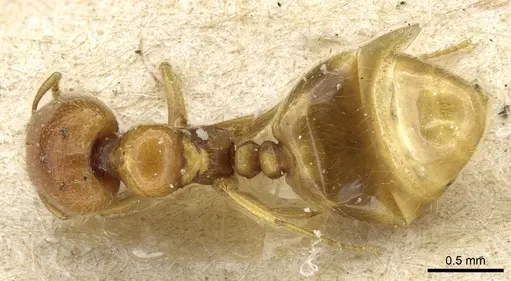
CASENT0904672
Ver en AntWeb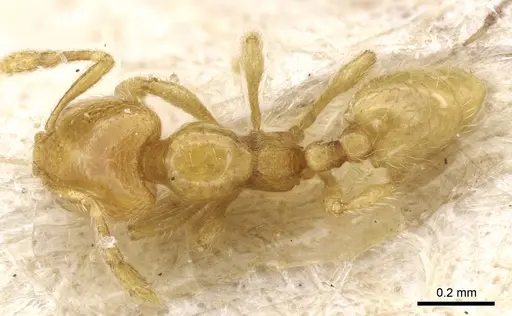
Literatura
Cargando mapa de distribución...Cargando productos...