
Camponotus wytsmani
- Nom. cient.
- Camponotus wytsmani
- Subgénero
- Myrmaphaenus
- Tribu
- Camponotini
- Subfamilia
- Formicinae
- Autor
- Emery, 1920
- Distribución
- Encontrado en 0 países
Introducción
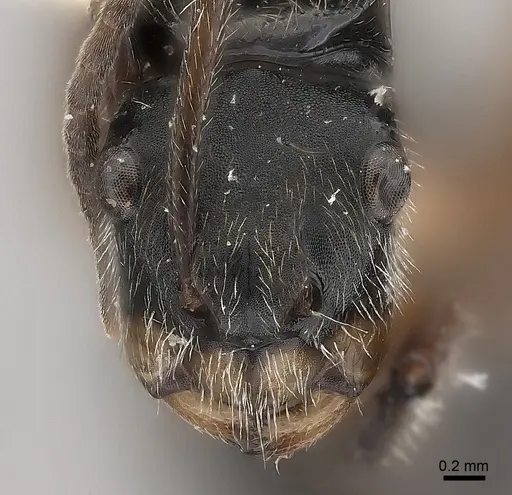
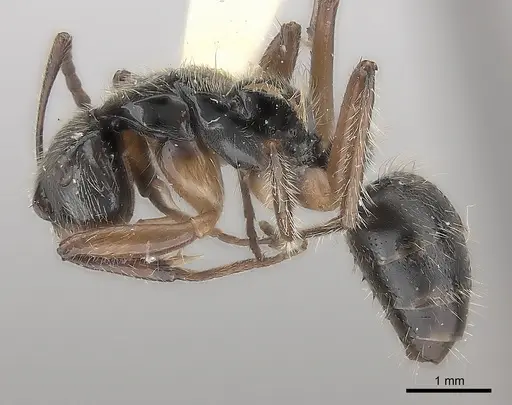
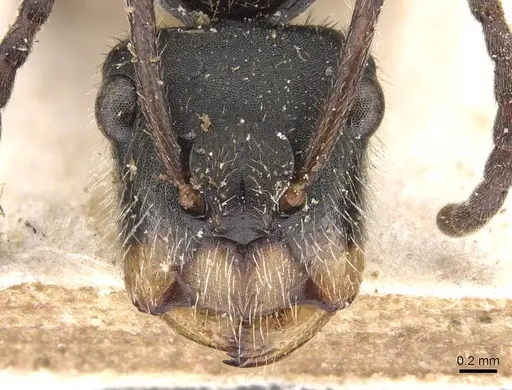
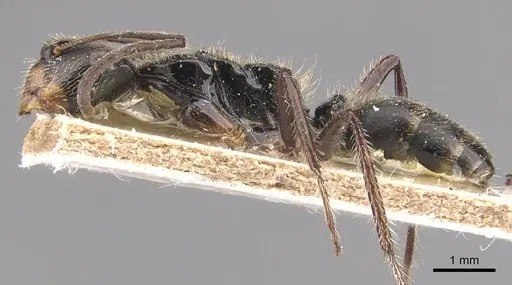
Camponotus wytsmani is a Neotropical ant species belonging to the subgenus Myrmobrachys, part of the dimorphus species group. Workers are black with a smooth, shiny mesosoma and contrasting orange legs that make them easily recognizable. The head and gaster have a textured, opaque appearance while most of the mesosoma is remarkably smooth and glossy. Only the minor worker caste has been scientifically described for this species, which is unusual among Camponotus ants. They are found from Panama through Colombia and into Bolivia and Brazil, where they nest in hollow branches within tropical forest trees and forage among the canopy . This species is not commonly encountered and remains poorly studied.
Quick Summary
- Difficulty: Medium
- Origin & Habitat: Neotropical region, Panama to Bolivia and Brazil, specifically found in the Colombian departments of Amazonas and Meta, and recorded in Peru's Huánuco region. They inhabit tropical forests where they nest in hollow branches in trees and forage on vegetation [2][1][3].
- Colony Type: Colony structure is not well documented. Only minor workers have been described, major workers may exist but have not been observed [1]. Based on typical Camponotus patterns, they are likely single-queen colonies.
- Size & Growth:
- Queen: Size data unavailable, queen size has not been documented in scientific literature. Based on Camponotus genus patterns, queens likely measure around 10-15mm.
- Worker: Minor workers are described but exact measurements are not specified. Based on the Myrmobrachys subgenus, workers likely measure 4-8mm.
- Colony: Colony size data unavailable. Based on related species in the dimorphus group, colonies likely reach several hundred workers.
- Growth: Moderate, based on typical Camponotus development patterns.
- Development: 6-10 weeks (estimated based on typical Camponotus development) (Development time is estimated from genus-level patterns since species-specific data does not exist. Temperature will significantly affect development speed.)
- Antkeeping:
- Temperature: Keep at 24-28°C. As a tropical species from lowland Neotropical forests, they need warm conditions year-round. A heating cable on one side of the nest creates a gradient allowing workers to self-regulate [1].
- Humidity: High humidity around 70-80%. These are forest-dwelling ants that naturally experience humid conditions. Keep the nest substrate consistently moist but not waterlogged. Provide a water source in the outworld.
- Diapause: No, as a tropical species, they do not require hibernation. Maintain warm temperatures year-round.
- Nesting: Arboreal nester, in nature they nest in hollow branches in trees. In captivity, a Y-tong (AAC) nest or plaster formicarium with narrow chambers works well. Provide twigs or small branches in the outworld to simulate their natural tree-nesting environment. They prefer dark, enclosed spaces [1].
- Behavior: Generally calm and non-aggressive foragers. They are arboreal, spending most of their time foraging on trees and vegetation rather than on the ground. Workers are moderately sized and can defend the colony if threatened. Escape risk is moderate, ensure formicarium connections are secure. They are primarily active during warmer hours of the day. As members of the Formicinae subfamily, they lack a functional sting but can bite and spray formic acid as a defense mechanism.
- Common Issues: limited availability, this species is rarely available in the antkeeping hobby due to its restricted distribution and rarity, tropical temperature requirements mean they cannot tolerate cool conditions, room temperature below 24°C may cause decline, arboreal nature means they need vertical space and climbing structures in the outworld, poorly documented biology means keepers must rely on genus-level care assumptions rather than species-specific data, wild-caught colonies may harbor parasites or diseases since the species has not been captive-bred extensively
Housing and Nest Setup
Camponotus wytsmani requires housing that reflects their natural arboreal lifestyle. In the wild, they nest in hollow branches within tropical forest trees, so captivity should mimic this environment. A Y-tong (AAC) nest works well because it provides dark, enclosed chambers that these ants prefer. Alternatively, a plaster formicarium with narrow passages suits them. The key is providing tight, enclosed spaces rather than open areas. In the outworld, include vertical elements like twigs, branches, or cork bark to allow natural climbing behavior. These ants are not ground-dwellers, they will feel more secure with climbing structures that simulate their tree-dwelling natural history. Ensure all connections between nest and outworld are secure, as workers can squeeze through small gaps. [1]
Feeding and Diet
Like most Camponotus species, C. wytsmani is omnivorous and will accept a varied diet. Offer sugar sources continuously, a mixture of sugar water or honey water in a test tube with a cotton ball works well. For protein, provide insects such as small crickets, mealworms, or fruit flies. Given their tropical forest origin, they likely also consume honeydew from aphids or scale insects if kept in a bioactive setup. Feed protein sources 2-3 times per week, adjusting based on colony size and consumption. Remove uneaten prey after 24-48 hours to prevent mold. Workers will typically forage during the warmer hours, so time feedings accordingly.
Temperature and Seasonal Care
As a Neotropical species from Panama through Bolivia and Brazil, C. wytsmani requires warm conditions year-round. Maintain temperatures between 24-28°C in the nest area. A heating cable placed on top of the nest creates a gentle thermal gradient. Room temperatures below 22°C can cause colony decline, so monitor closely during winter. Unlike temperate species, they do not require a diapause or hibernation period. Their natural habitat in tropical forests experiences minimal seasonal temperature variation, so captive conditions should mimic this consistency. Avoid placing the colony near air conditioning vents or drafty windows. [1]
Humidity and Water
These forest-dwelling ants need high humidity, ideally 70-80%. Keep the nest substrate consistently moist but never waterlogged, the substrate should feel damp to the touch. A water tube in the outworld provides drinking water, and occasional misting of the outworld helps maintain humidity. However, avoid excessive condensation inside the nest as this can promote mold. Given their natural nesting in tree branches, they are accustomed to humid but well-ventilated conditions. Ensure some dry areas exist within the setup so ants can self-regulate if conditions become too damp. [1]
Colony Development and Growth
C. wytsmani colonies develop at a moderate pace typical of Camponotus species. The queen lays eggs which develop through larval and pupal stages before emerging as workers. Expect 6-10 weeks from egg to first worker (nanitic) at optimal temperature of around 26°C. Initial colonies grow slowly as the queen raises her first brood alone. Once the first workers emerge, growth accelerates but remains moderate compared to some faster-growing genera. Major workers may exist in established colonies but have not been documented in scientific literature, you may see larger workers appear as the colony reaches several hundred individuals. Patience is essential, as established colonies may take 1-2 years to reach 100 workers.
Behavior and Observation
This species is arboreal by nature, spending considerable time climbing and foraging on vegetation. Workers are relatively calm and not overly aggressive, though they will defend the colony if threatened. They are most active during warmer periods and may reduce activity during cooler hours. Their striking appearance, black body with bright orange legs, makes them visually appealing in captivity. Observing workers navigate through provided branches and climbing structures mimics their natural tree-foraging behavior. They are not particularly shy and will readily emerge to forage when food is introduced. The smooth, shiny mesosoma is visible under magnification and adds to their visual interest. [1]
Frequently Asked Questions
How long does it take for Camponotus wytsmani to produce first workers?
Expect 6-10 weeks from egg to first worker at optimal temperature (around 26°C). This is based on typical Camponotus development patterns since species-specific data does not exist. The first workers (nanitics) will be smaller than mature workers.
What temperature do Camponotus wytsmani ants need?
Keep them at 24-28°C year-round. As a tropical Neotropical species, they require warm conditions and cannot tolerate cool temperatures. A heating cable on the nest helps maintain optimal temperatures.
Do Camponotus wytsmani ants need hibernation?
No, they do not require hibernation. As a tropical species from Panama to Brazil, they need consistent warm temperatures year-round. Avoid temperature drops below 22°C.
What do Camponotus wytsmani ants eat?
They are omnivorous. Provide a constant sugar source (sugar water or honey water) and protein foods like small insects (crickets, mealworms, fruit flies) 2-3 times per week.
Are Camponotus wytsmani good for beginners?
This species is rated as medium difficulty. While not as challenging as some species, their tropical temperature requirements and rarity in the hobby make them better suited for keepers with some experience. Their care is straightforward once temperature needs are met.
What size colony do Camponotus wytsmani reach?
Colony size is not well documented, but based on related species in the dimorphus group, they likely reach several hundred workers. Growth is moderate, expect 1-2 years to reach 100 workers.
Can I keep multiple Camponotus wytsmani queens together?
Not recommended. Based on typical Camponotus behavior, they are likely monogyne (single-queen) colonies. Combining unrelated queens has not been documented for this species and could result in fighting.
What type of nest is best for Camponotus wytsmani?
A Y-tong (AAC) nest or plaster formicarium works well. They prefer dark, enclosed chambers and will feel secure in tight spaces. Provide climbing structures in the outworld to satisfy their arboreal nature.
Why are my Camponotus wytsmani dying?
The most common causes are temperatures below 24°C, improper humidity (too dry or waterlogged), or stress from disturbance. Ensure warm, stable conditions and minimal interference during the founding stage. Wild-caught colonies may also carry parasites.
Report an Issue
The current care sheet is based fully on literature. See inconsistencies, or something that's incorrect? Please , it will be resolved after review from an admin. Contributing to the blogs tab also helps providing information, to make us be able to further improve the caresheets. Thank you for your support!
References

Esta ficha de cuidados está bajo licencia CC BY-SA 4.0 .
Blogs de la comunidad
CASENT0217717
Ver en AntWeb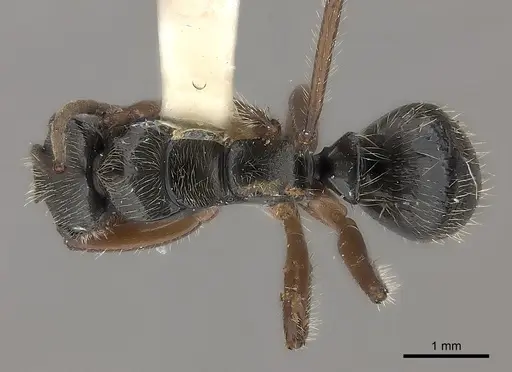
CASENT0905524
Ver en AntWeb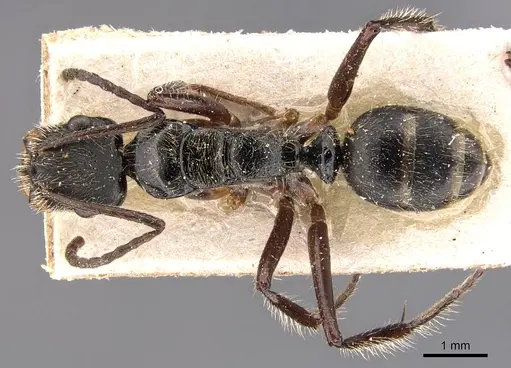
Literatura
Cargando mapa de distribución...Cargando productos...