
Camponotus tahatensis
- Nom. cient.
- Camponotus tahatensis
- Subgénero
- Tanaemyrmex
- Tribu
- Camponotini
- Subfamilia
- Formicinae
- Autor
- Santschi, 1929
- Distribución
- Encontrado en 0 países
Introducción
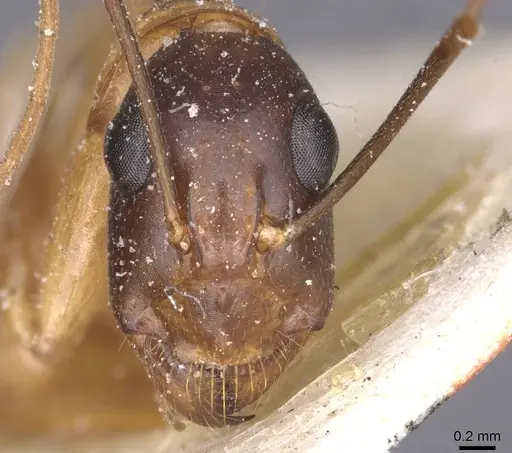
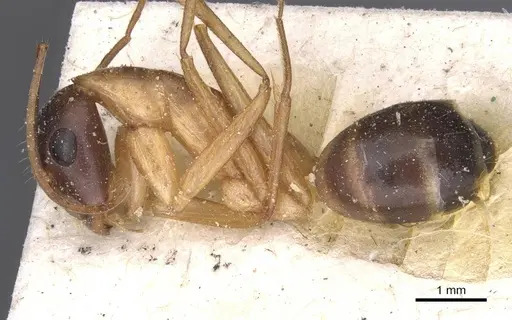
Camponotus tahatensis is a carpenter ant species native to Algeria in North Africa . As a Camponotus species, they have distinct worker castes - larger major workers and smaller minor workers. These ants are dark-colored with a rounded thorax profile typical of the genus. The specific coloration and exact measurements for this species have not been documented in available research. In their natural habitat of Algeria, they likely nest in soil cavities or under stones in the warm, semi-arid to Mediterranean climate of the region. This species remains poorly studied in scientific literature.
Quick Summary
- Difficulty: Medium
- Origin & Habitat: Algeria in North Africa [1]. The species inhabits the Mediterranean climate zone of this region, typically in drier, warmer areas with sparse vegetation.
- Colony Type: Likely single-queen colonies based on typical Camponotus patterns, unconfirmed for this specific species
- Size & Growth:
- Queen: Size data unavailable, inferred from Camponotus genus patterns (~12-16mm)
- Worker: Size data unavailable, inferred from Camponotus genus patterns (5-12mm for major and minor castes)
- Colony: Likely reaches several thousand workers at maturity based on genus patterns
- Growth: Moderate, Camponotus species grow more slowly than smaller ants
- Development: Development time is unconfirmed for this species. Based on typical Camponotus patterns, expect 6-10 weeks at warm temperatures (Development varies with temperature, warmer conditions within safe range speeds development)
- Antkeeping:
- Temperature: Keep nest area around 22-26°C. As a North African species, they prefer warmer conditions but can tolerate typical room temperature. Provide a gentle temperature gradient so ants can choose their preferred zone.
- Humidity: Moderate humidity, allow the nest to dry partially between waterings. These ants prefer conditions drier than tropical species. Always provide a water tube for drinking.
- Diapause: Likely required for 2-3 months during winter, simulating Mediterranean seasonal patterns. Reduce temperature to 10-15°C during this period.
- Nesting: Y-tong nests or naturalistic setups with soil work well. Provide damp substrate that can dry slightly between rehydrations. Cavity size should accommodate several thousand workers.
- Behavior: Typical Camponotus temperament, generally calm but will defend the colony if threatened. Workers are moderately aggressive when guarding food sources. This species lacks a functional sting, instead, they bite and spray formic acid from their acidopore into the wound. Escape risk is moderate, use standard barrier methods like fluon on smooth surfaces. They are primarily nocturnal foragers in nature, though captive colonies often adapt to daytime activity.
- Common Issues: colonies grow slowly during founding phase, beginners may lose patience and disturb the queen prematurely, test tube setups can flood if water reservoirs are overfilled during founding, wild-caught colonies may carry parasites that cause colony decline in captivity, overheating is a risk, direct heat sources can kill colonies, queen loss during founding is common, avoid checking the nest too frequently
Nest Preferences and Housing
Camponotus tahatensis can be kept in various nest types that provide appropriate humidity control and darkness. Y-tong nests work well because they allow you to observe the colony while maintaining proper humidity. Naturalistic setups with soil or sand are also suitable and let the ants create their own tunnels. The nest should have chambers large enough for the colony to expand into as it grows. During founding, a simple test tube setup with a water reservoir works fine, just ensure the cotton is packed firmly to prevent flooding. As the colony grows to several hundred workers, consider moving to a larger formicarium. The outworld (foraging area) should be escape-proof using fluon or similar barriers, as these ants can climb smooth surfaces effectively.
Feeding and Diet
Like other Camponotus species, these ants are omnivorous with a preference for sugar sources. Offer sugar water, honey, or diluted maple syrup as a constant energy source. For protein, provide insects like fruit flies, small crickets, mealworms, or other appropriately-sized prey. Camponotus workers cannot digest solid protein efficiently, they prefer to chew insects into a paste or consume the hemolymph (insect blood). Feed protein sources 2-3 times per week, and keep sugar water available at all times. Remove uneaten prey after 24-48 hours to prevent mold.
Temperature and Seasonal Care
As a species from Algeria, Camponotus tahatensis prefers warmer conditions than many temperate ants. Maintain nest temperatures between 22-26°C for optimal brood development. They can tolerate room temperature (around 20-22°C) without issues, but growth will be slower. A heating cable or mat placed on one side of the nest creates a temperature gradient, allowing ants to self-regulate. During winter, simulate natural seasonal changes with a 2-3 month diapause period. Reduce temperature to 10-15°C and stop feeding during this rest period. This hibernation helps trigger reproductive behavior and supports long-term colony health.
Behavior and Colony Dynamics
Camponotus tahatensis displays typical carpenter ant colony behavior. Colonies start with a single queen who seals herself in a chamber and raises the first brood alone on stored body fat. The first workers (nanitics) are smaller than mature workers but quickly begin foraging for food to support further growth. Major workers develop in mature colonies and are used for defense and cracking hard food sources. These ants are primarily nocturnal in the wild but often adjust their activity patterns in captivity. Workers communicate through chemical trails and will recruit nestmates to food discoveries. The colony will defend aggressively if the nest is threatened. Unlike many ants, Camponotus species lack a functional sting, they defend by biting and spraying concentrated formic acid from their acidopore into the wound.
Frequently Asked Questions
How long does it take for Camponotus tahatensis to have first workers?
Development time is unconfirmed for this species. Based on typical Camponotus patterns, expect first workers (nanitics) to emerge around 6-10 weeks after the queen lays eggs at temperatures around 24-26°C. Cooler conditions slow development significantly.
Can I keep multiple Camponotus tahatensis queens together?
This species is likely single-queen based on typical Camponotus patterns, but this is unconfirmed for C. tahatensis specifically. Combining unrelated queens is not recommended as they will likely fight.
What temperature is best for Camponotus tahatensis?
Keep the nest area at 22-26°C. As a North African species, they prefer warmth. A temperature gradient allowing ants to move between warmer and cooler areas is ideal. They can survive at room temperature but grow more slowly.
How big do Camponotus tahatensis colonies get?
Based on typical Camponotus patterns, colonies likely reach several thousand workers at maturity. This is an estimate, actual colony size for this specific species is unconfirmed.
Do Camponotus tahatensis need hibernation?
Yes, a winter diapause period of 2-3 months is recommended based on their Mediterranean distribution. Reduce temperatures to 10-15°C and stop feeding during this period. This mimics their natural seasonal cycle and helps maintain colony health.
What do I feed Camponotus tahatensis?
Provide a constant source of sugar (sugar water, honey, or maple syrup) and protein insects (fruit flies, small crickets, mealworms) 2-3 times per week. Remove uneaten prey after a day or two to prevent mold growth.
Is Camponotus tahatensis good for beginners?
This species is rated as medium difficulty. They are more forgiving than some species but require patience during the slow founding phase. Beginners should be prepared for the 6+ month wait before seeing significant worker numbers.
When should I move Camponotus tahatensis to a formicarium?
Move from a founding test tube to a formicarium when the colony reaches several hundred workers and the test tube becomes crowded. This typically takes 1-2 years. Ensure the new nest has appropriately sized chambers and adequate humidity control.
Why is my Camponotus tahatensis colony declining?
Common causes include: queen death (especially during founding), parasites from wild-caught colonies, improper humidity (too wet or too dry), temperature stress, or insufficient food. Check each parameter and consider if the colony was wild-caught, which often carries hidden problems.
Report an Issue
The current care sheet is based fully on literature. See inconsistencies, or something that's incorrect? Please , it will be resolved after review from an admin. Contributing to the blogs tab also helps providing information, to make us be able to further improve the caresheets. Thank you for your support!
References

Esta ficha de cuidados está bajo licencia CC BY-SA 4.0 .
Blogs de la comunidad
CASENT0912055
Ver en AntWeb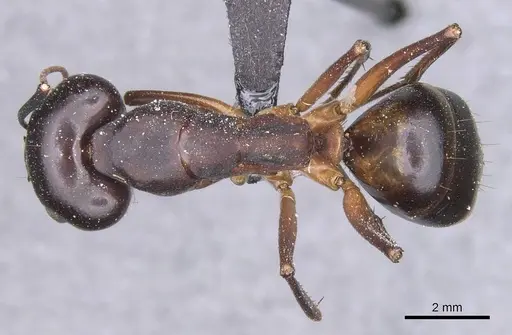
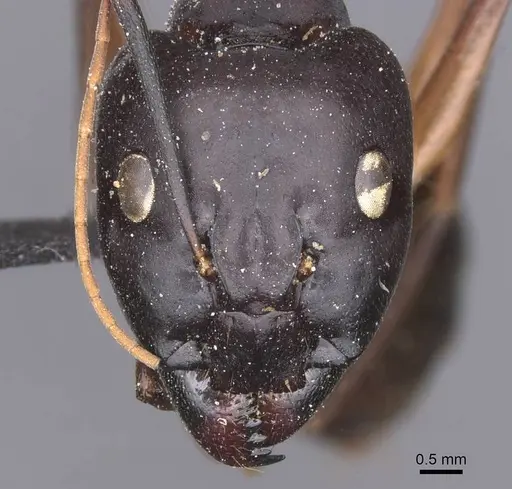
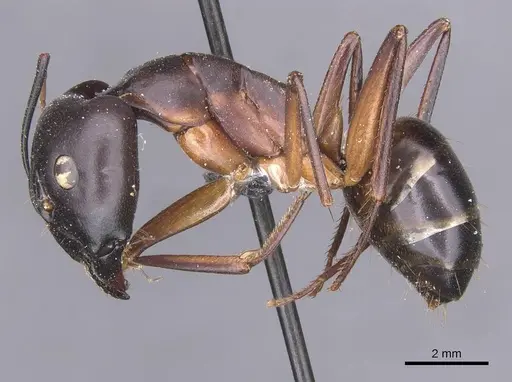
CASENT0912056
Ver en AntWeb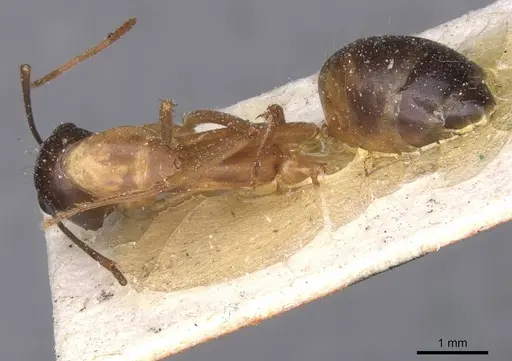
Literatura
Cargando mapa de distribución...Cargando productos...